Farming
How To Grow Mushrooms At Home For Beginners? Step By Step Guide!
18 May 2026
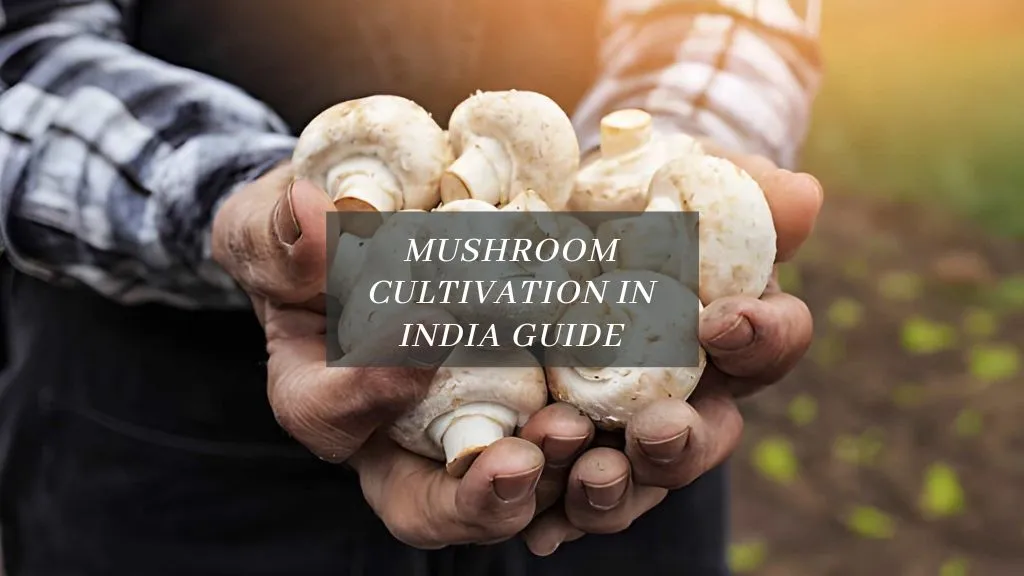
I still remember the first time I saw a tray full of little white mushrooms popping out of straw. It felt like magic. And honestly, growing mushrooms at home isn’t as complicated as it looks. If you’ve ever wondered how do you grow mushrooms or dreamed about turning a tiny corner of your garden into a mini mushroom farm, you’re in the right place.
In this guide, I’ll walk you through the mushroom growing process, step by step, so even a complete beginner can start growing mushrooms at home. Trust me, it’s fun, sustainable, and surprisingly rewarding!
Why Grow Mushrooms at Home?
Honestly, the first thing that comes to mind when I think about mushroom farming for beginners is how low-maintenance it is. You don’t need acres of land or fancy equipment just a small corner, a bit of patience, and you’re good to go.
Here’s why I think growing mushrooms at home is such a game-changer:
Super Sustainable – Mushrooms can grow on leftover straw, coffee grounds, or sawdust. It’s basically turning waste into food!
Quick Returns – Unlike crops that take months, mushrooms can be ready to harvest in a few weeks.
Health Boost – Packed with protein, fiber, and vitamins, mushrooms are a nutrition powerhouse.
Eco-Friendly Income – If you have a managed farmland or agriculture land near Bangalore, selling mushrooms locally or online can be a neat side income.
Fun & Rewarding – Watching tiny white pins pop up and slowly grow feels oddly satisfying. I swear, it’s like nurturing nature in miniature.
What You Need to Get Started for Mushroom Cultivation
Starting your first mushroom batch is honestly easier than starting a vegetable garden.
Here’s your basic starter kit for the mushroom growing process:
1. Mushroom Spawn
This is basically the “seed” of your mushrooms. Choose beginner-friendly ones like oyster or button. They grow fast, and are perfect if you’re just figuring out how to grow mushrooms at home.
2. Growing Substrate
This is the food or bed where mushrooms grow. Depending on the variety, you can use:
Straw
Sawdust
Coco peat
Coffee grounds (yes, really!)
I personally love straw because it’s easy to work with and super cheap.
3. Containers or Grow Bags
You don’t need fancy trays. Normal polybags or grow bags work beautifully. Even buckets can be converted if you’re feeling creative.
4. Clean Space
Doesn’t have to be spotless, but keep it clean enough so other fungi or bacteria don’t bully your mushrooms. A spare room, a shed, a corner of your managed farmland, anything works.
5. Water & Humidity
Mushrooms love humidity. Not water, humidity. If you soak them, they sulk. But if you spray lightly and keep the surroundings moist, they flourish like divas.
6. A Little Patience
You won’t see anything for a few days. Give them time, and they’ll surprise you.
Step-by-Step: The Mushroom Growing Process -Beginner-Friendly Guide
If you’ve ever googled “how do you grow mushrooms” and felt overwhelmed, don’t worry. Here’s the simplest version of the mushroom growing process.
1. Prep Your Substrate
If you’re using straw (my favourite), chop it into small pieces and pasteurize it. Don’t get scared, pasteurizing is just a fancy word for “dip it in hot water for 30–40 minutes.”
This kills unwanted microbes and gives your mushrooms a clean buffet to grow on.
2. Drain & Cool
Remove the straw from hot water and let it cool completely.
It should be moist, not dripping. If water is pouring from it like a soaked sponge, squeeze a bit.
3. Mix Spawn with Substrate
Now gently mix your mushroom spawn into the cooled straw.
Make sure the spawn is evenly spread, or else mushrooms will grow randomly like moody teenagers.
4. Fill the Grow Bags or Containers
Pack the substrate-spawn mixture into bags.
Not too tight, not too loose. let the mushrooms breathe.
Tie the bags and poke a few holes on the sides. These holes are like little windows for mushrooms to pop out later.
5. Keep in a Dark, Warm Room
Place the bags in a warm, dark space. This is their “incubation stage,” where the spawn colonizes the straw.
For the next 10–15 days, all you’ll see is white thread-like growth — that’s the mycelium.
If you see anything green or black… that’s contamination. Just toss that bag; no point crying over spoiled fungi.
6. Shift to a Humid Area
Once the bag turns fully white, move it to a more humid place (bathroom, shaded balcony, or a small humidity tent). Spray water around the area daily, not directly on the bag.
Humidity is the real hero here.
7. Watch the Mushrooms Grow
Tiny pins will start coming out of the holes.
I still get excited when I see them, they look like baby aliens at first. Over the next few days, these pins turn into full-sized mushrooms.
8. Harvest Time!
When the caps open fully, twist gently and harvest.
Don’t use scissors or knives; a small twist keeps the base clean and encourages the next flush.
Most bags give you 2–3 good harvests. One bag can give enough mushrooms for your entire family's weekend curry.
8 Tips to Grow Mushrooms Successfully (Beginner Secrets Nobody Tells You)
1. Don’t Overwater
Spray around the grow bags, not on them.
2. Temperature Matters More Than You Think
Most varieties grow best between 20°C–28°C.
3. Keep Everything as Clean as You Can
No need for lab-level cleanliness, but wash your hands and keep your tools tidy.
Clean space means fewer chances of green mold taking over like an uninvited guest.
4. Choose Easy Varieties First
For your first try, stick to:
Oyster mushrooms (super forgiving)
Button mushrooms (classic, reliable)
Once you succeed, then go flaunt shiitake and lion’s mane like a pro.
5. Don’t Disturb the Bags
In the early colonization stage, leave them alone. The more you poke, shake, lift, or “check,” the more you stress the mycelium.
6. Proper Ventilation = Happy Mushrooms
During the fruiting stage, ensure they get fresh air.
7. Handle Them Gently During Harvest
Just twist, don’t pull. Pulling damages the mycelium layer and reduces your next flush.
8. If You Fail Once, Welcome to the Club
Even experts lose a few batches now and then.
Contamination, humidity issues, temperature shifts, it happens.
Take it as part of the journey. Your second attempt? Always better.
Why Mushroom Cultivation Fits Perfectly Into Sustainable Living
1. Uses Very Little Space
2. Eco-Friendly From Start to Finish
3. Less Water, More Yield
4. Fast Harvest = Quick Wins
5. Healthier Plates, Happier You
6. Low Investment, High Satisfaction
7. Great for Community-Based Farming
Whether you’re trying growing mushrooms at home as a hobby or planning something bigger, mushrooms adapt beautifully to your lifestyle.
A Quick Note About Swasya Living
If this whole mushroom journey sparked a little “hmm… maybe I should grow more of my own food” moment, then you’ll love what we’re building at Swasya. Our managed farmland spaces in Sakleshpur give you the freedom to explore farming, without the overwhelming part of actually managing everything.
Imagine this: clean air, fertile soil, quiet mornings, and the chance to grow everything from mushrooms to medicinal plants… while still having your regular city life intact. That’s the charm. A farm stay in Sakleshpur that doubles as your sustainable experiment zone? Pretty much a dream for anyone craving a deeper connection with nature.
Final Thoughts
Growing mushrooms at home is honestly one of those small, rewarding adventures that make you feel oddly proud of yourself. It’s simple, low-maintenance, and the results are almost magical. One day there’s nothing, and the next day tiny little caps are popping up like they’ve been planning a surprise party.
If you're curious about nature, sustainability, or just want to eat food you’ve grown with your own hands, mushroom cultivation is the perfect first step. Here’s to growing more on our plates and in our lives.
FAQs
1. Do mushrooms really grow that easily?
Honestly… yes. Give them the right moisture, darkness, and a comfy substrate, and they grow like they’ve been waiting for centuries to show off.
2. How long does it take for mushrooms to grow?
Usually 2–4 weeks. The first two weeks feel slow, and then suddenly you’re harvesting like a proud plant parent.
3. Can I grow mushrooms at home without fancy equipment?
Totally. A clean space, a grow kit or spawn, and a bit of patience. That’s it.
4. Why do my mushrooms get contaminated?
Because fungi are divas about hygiene. One tiny speck of dirt or unclean surface can mess things up. Just keep things clean.
5. Are homegrown mushrooms safe to eat?
Yes, as long as you’re growing the right species from a trusted source. Don’t experiment with random wild mushrooms; that’s not an adventure, that’s a risk. Stick to kits or reliable spawns, and you’re good.
I still remember the first time I saw a tray full of little white mushrooms popping out of straw. It felt like magic. And honestly, growing mushrooms at home isn’t as complicated as it looks. If you’ve ever wondered how do you grow mushrooms or dreamed about turning a tiny corner of your garden into a mini mushroom farm, you’re in the right place.
In this guide, I’ll walk you through the mushroom growing process, step by step, so even a complete beginner can start growing mushrooms at home. Trust me, it’s fun, sustainable, and surprisingly rewarding!
Why Grow Mushrooms at Home?
Honestly, the first thing that comes to mind when I think about mushroom farming for beginners is how low-maintenance it is. You don’t need acres of land or fancy equipment just a small corner, a bit of patience, and you’re good to go.
Here’s why I think growing mushrooms at home is such a game-changer:
Super Sustainable – Mushrooms can grow on leftover straw, coffee grounds, or sawdust. It’s basically turning waste into food!
Quick Returns – Unlike crops that take months, mushrooms can be ready to harvest in a few weeks.
Health Boost – Packed with protein, fiber, and vitamins, mushrooms are a nutrition powerhouse.
Eco-Friendly Income – If you have a managed farmland or agriculture land near Bangalore, selling mushrooms locally or online can be a neat side income.
Fun & Rewarding – Watching tiny white pins pop up and slowly grow feels oddly satisfying. I swear, it’s like nurturing nature in miniature.
What You Need to Get Started for Mushroom Cultivation
Starting your first mushroom batch is honestly easier than starting a vegetable garden.
Here’s your basic starter kit for the mushroom growing process:
1. Mushroom Spawn
This is basically the “seed” of your mushrooms. Choose beginner-friendly ones like oyster or button. They grow fast, and are perfect if you’re just figuring out how to grow mushrooms at home.
2. Growing Substrate
This is the food or bed where mushrooms grow. Depending on the variety, you can use:
Straw
Sawdust
Coco peat
Coffee grounds (yes, really!)
I personally love straw because it’s easy to work with and super cheap.
3. Containers or Grow Bags
You don’t need fancy trays. Normal polybags or grow bags work beautifully. Even buckets can be converted if you’re feeling creative.
4. Clean Space
Doesn’t have to be spotless, but keep it clean enough so other fungi or bacteria don’t bully your mushrooms. A spare room, a shed, a corner of your managed farmland, anything works.
5. Water & Humidity
Mushrooms love humidity. Not water, humidity. If you soak them, they sulk. But if you spray lightly and keep the surroundings moist, they flourish like divas.
6. A Little Patience
You won’t see anything for a few days. Give them time, and they’ll surprise you.
Step-by-Step: The Mushroom Growing Process -Beginner-Friendly Guide
If you’ve ever googled “how do you grow mushrooms” and felt overwhelmed, don’t worry. Here’s the simplest version of the mushroom growing process.
1. Prep Your Substrate
If you’re using straw (my favourite), chop it into small pieces and pasteurize it. Don’t get scared, pasteurizing is just a fancy word for “dip it in hot water for 30–40 minutes.”
This kills unwanted microbes and gives your mushrooms a clean buffet to grow on.
2. Drain & Cool
Remove the straw from hot water and let it cool completely.
It should be moist, not dripping. If water is pouring from it like a soaked sponge, squeeze a bit.
3. Mix Spawn with Substrate
Now gently mix your mushroom spawn into the cooled straw.
Make sure the spawn is evenly spread, or else mushrooms will grow randomly like moody teenagers.
4. Fill the Grow Bags or Containers
Pack the substrate-spawn mixture into bags.
Not too tight, not too loose. let the mushrooms breathe.
Tie the bags and poke a few holes on the sides. These holes are like little windows for mushrooms to pop out later.
5. Keep in a Dark, Warm Room
Place the bags in a warm, dark space. This is their “incubation stage,” where the spawn colonizes the straw.
For the next 10–15 days, all you’ll see is white thread-like growth — that’s the mycelium.
If you see anything green or black… that’s contamination. Just toss that bag; no point crying over spoiled fungi.
6. Shift to a Humid Area
Once the bag turns fully white, move it to a more humid place (bathroom, shaded balcony, or a small humidity tent). Spray water around the area daily, not directly on the bag.
Humidity is the real hero here.
7. Watch the Mushrooms Grow
Tiny pins will start coming out of the holes.
I still get excited when I see them, they look like baby aliens at first. Over the next few days, these pins turn into full-sized mushrooms.
8. Harvest Time!
When the caps open fully, twist gently and harvest.
Don’t use scissors or knives; a small twist keeps the base clean and encourages the next flush.
Most bags give you 2–3 good harvests. One bag can give enough mushrooms for your entire family's weekend curry.
8 Tips to Grow Mushrooms Successfully (Beginner Secrets Nobody Tells You)
1. Don’t Overwater
Spray around the grow bags, not on them.
2. Temperature Matters More Than You Think
Most varieties grow best between 20°C–28°C.
3. Keep Everything as Clean as You Can
No need for lab-level cleanliness, but wash your hands and keep your tools tidy.
Clean space means fewer chances of green mold taking over like an uninvited guest.
4. Choose Easy Varieties First
For your first try, stick to:
Oyster mushrooms (super forgiving)
Button mushrooms (classic, reliable)
Once you succeed, then go flaunt shiitake and lion’s mane like a pro.
5. Don’t Disturb the Bags
In the early colonization stage, leave them alone. The more you poke, shake, lift, or “check,” the more you stress the mycelium.
6. Proper Ventilation = Happy Mushrooms
During the fruiting stage, ensure they get fresh air.
7. Handle Them Gently During Harvest
Just twist, don’t pull. Pulling damages the mycelium layer and reduces your next flush.
8. If You Fail Once, Welcome to the Club
Even experts lose a few batches now and then.
Contamination, humidity issues, temperature shifts, it happens.
Take it as part of the journey. Your second attempt? Always better.
Why Mushroom Cultivation Fits Perfectly Into Sustainable Living
1. Uses Very Little Space
2. Eco-Friendly From Start to Finish
3. Less Water, More Yield
4. Fast Harvest = Quick Wins
5. Healthier Plates, Happier You
6. Low Investment, High Satisfaction
7. Great for Community-Based Farming
Whether you’re trying growing mushrooms at home as a hobby or planning something bigger, mushrooms adapt beautifully to your lifestyle.
A Quick Note About Swasya Living
If this whole mushroom journey sparked a little “hmm… maybe I should grow more of my own food” moment, then you’ll love what we’re building at Swasya. Our managed farmland spaces in Sakleshpur give you the freedom to explore farming, without the overwhelming part of actually managing everything.
Imagine this: clean air, fertile soil, quiet mornings, and the chance to grow everything from mushrooms to medicinal plants… while still having your regular city life intact. That’s the charm. A farm stay in Sakleshpur that doubles as your sustainable experiment zone? Pretty much a dream for anyone craving a deeper connection with nature.
Final Thoughts
Growing mushrooms at home is honestly one of those small, rewarding adventures that make you feel oddly proud of yourself. It’s simple, low-maintenance, and the results are almost magical. One day there’s nothing, and the next day tiny little caps are popping up like they’ve been planning a surprise party.
If you're curious about nature, sustainability, or just want to eat food you’ve grown with your own hands, mushroom cultivation is the perfect first step. Here’s to growing more on our plates and in our lives.
FAQs
1. Do mushrooms really grow that easily?
Honestly… yes. Give them the right moisture, darkness, and a comfy substrate, and they grow like they’ve been waiting for centuries to show off.
2. How long does it take for mushrooms to grow?
Usually 2–4 weeks. The first two weeks feel slow, and then suddenly you’re harvesting like a proud plant parent.
3. Can I grow mushrooms at home without fancy equipment?
Totally. A clean space, a grow kit or spawn, and a bit of patience. That’s it.
4. Why do my mushrooms get contaminated?
Because fungi are divas about hygiene. One tiny speck of dirt or unclean surface can mess things up. Just keep things clean.
5. Are homegrown mushrooms safe to eat?
Yes, as long as you’re growing the right species from a trusted source. Don’t experiment with random wild mushrooms; that’s not an adventure, that’s a risk. Stick to kits or reliable spawns, and you’re good.
Akshata
You Might Also Like


Subscribe to the Swasya
newsletter
Discover insights about sustainable farming, investment opportunities, and the future of agriculture.
By subscribing, you agree to the Privacy Policy
Subscribe to the Swasya
newsletter
Discover insights about sustainable farming, investment opportunities, and the future of agriculture.
By subscribing, you agree to the Privacy Policy