Farming
What Is Managed Farmland? Benefits & How to Choose the Right Project
20 Aug 2026

I think we’ve all had that same daydream. You’re stuck in a meeting on a Tuesday afternoon, staring at the concrete skyline, and suddenly you’re thinking... "What if I just moved to a farm?" You imagine waking up to the sound of birds, eating a tomato that actually tastes like a tomato, and watching your kids play in real mud, not a plastic play area.
But then, reality hits. Most of us don't know the first thing about crop farming. I personally can barely keep a succulent alive in my living room, let alone manage an acre of sandalwood or fruit trees! And who has the time to drive out every day to check the irrigation?
This is exactly why managed farmland is becoming the "it" investment for Bangalore’s professionals. It’s the perfect bridge between our high-paced city lives and our deep-rooted need for nature. Let’s talk about what this actually is and why everyone is suddenly talking about it.
What Is Managed Farmland? A Complete Guide for First-Time Buyers
It sounds fancy, but the answer to "what is a managed farmland" is actually pretty simple.
Think of it like a "Managed Apartment," but instead of a concierge and a gym, you have a professional team of agronomists and farmers. You buy a plot of agricultural land, but you don't have to quit your job to look after it.
A management company (like us at Swasya!) handles everything. Soil testing, choosing the right seeds, drip irrigation, security, and even harvesting the crops.
You get the title deed, you get the fresh organic produce, and you get a beautiful weekend escape. The "boring" stuff? That's on us.
Managed Farmland vs Traditional Farming: What's the Difference?
Feature | Traditional Farmland | Managed Farmland |
Effort | High (You do the labor) | Zero (Professionals handle it) |
Knowledge | You need to be a farming expert | No prior experience needed |
Yield | Dependent on your time/skill | Optimized by agricultural experts |
Security | Hard to monitor remotely | 24/7 gated security |
Amenities | Just a plot of land | Clubhouses, cottages, and trails |
Top Benefits of Managed Farmland Investment
If you're looking to diversify your portfolio, managed farmland investment is basically a "green" goldmine. Here is why:
1. Managed Farmland Investment: Potential for Passive Income
One of the biggest benefits of managed farmland is that your land works for you. Whether it’s long-term timber like Sandalwood or short-term fruit crops, the revenue from the crop farming goes back to you. It’s like having a rental property, but the "tenant" is mother nature, and she’s usually very reliable if handled by experts.
2.Can Managed Farmland Help Protect Your Wealth From Inflation?
Gold is great, but land is finite. Especially managed farmland near a growing hub like Bangalore. As the city expands, the value of that "green patch" skyrockets. It’s a tangible asset that protects your wealth when the economy gets shaky.
3. Organic Living: A Key Benefit of Owning Managed Farmland
We all worry about what’s in our food these days. When you own a managed farmland, you know exactly what’s going into the soil. Most managed projects use organic, chemical-free methods. You aren't just investing in land; you're investing in your family's health.
How to Choose the Right Managed Farmland Project in India
Not all projects are created equal. If you're serious about managed farmland investment, here is my personal checklist:
Water Management: Do they have rainwater harvesting? Is there a drip irrigation setup? Water is the lifeblood of crop farming.
Legal Transparency: Ensure the land titles are clear and that the "management contract" is straightforward.
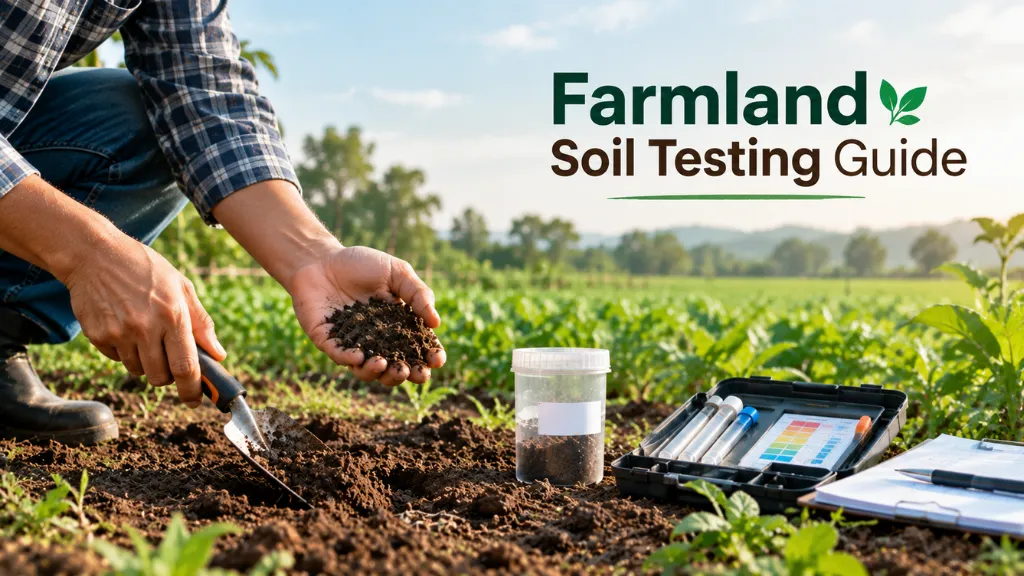
Soil Quality: Ask for a soil report. You want land that is fertile and ready for crop farming, not just a rocky patch.
Accessibility: Is it within a 2-hour drive from your home? If it's too far, you'll never use it as a retreat.
Why Choose Swasya for Managed Farmland Near Bangalore?
At Swasya Living, we believe that owning land should be a joy, not a job. We’ve built our managed farmland projects around the idea of "Nature-First" living.
We take the benefits of managed farmland to the next level by integrating 30+ modern amenities into a raw, rustic environment. From eco-friendly cottages to professional crop farming management, we ensure your investment grows while you relax. We handle the soil regeneration, the water conservation, and the security, so when you visit, your only job is to decide which tree to hang your hammock on.
Is Managed Farmland a Good Investment for Your Future?
The world is changing. We’re moving away from "concrete wealth" toward things that are sustainable, real, and healthy. Managed farmland isn't just a trend; it's a lifestyle shift.
Whether you're looking for a solid managed farmland investment or just a place where your kids can see a real butterfly, this is the way to go. You get the financial growth, the passive income, and, most importantly, the peace of mind.
FAQs
1: Do I need to be a farmer to invest?
No, definitely not! The whole point of managed farmland is that you don't need any agricultural knowledge. The management team handles the science while you enjoy the scenery.
2: Is managed farmland investment safe?
Yes, provided you do your due diligence. It’s a physical asset with a legal title deed in your name. Unlike digital assets, it can't disappear overnight.
3: Can I stay on my farm?
Most managed farmland projects, including Swasya, offer cottages or clubhouse facilities. It’s designed to be your second home, a place to "press reset" on the weekends.
4: What crops are usually grown?
It varies! We often see a mix of high-value timber (like Mahogany or Sandalwood) and fruit orchards (Mango, Guava, Lemon). This ensures both long-term and short-term returns.
5: Why is everyone buying farmland near Bangalore?
Bangalore is expanding fast. Land on the outskirts is the new "prime real estate." Plus, with remote work becoming the norm, people want a space where they can breathe.
I think we’ve all had that same daydream. You’re stuck in a meeting on a Tuesday afternoon, staring at the concrete skyline, and suddenly you’re thinking... "What if I just moved to a farm?" You imagine waking up to the sound of birds, eating a tomato that actually tastes like a tomato, and watching your kids play in real mud, not a plastic play area.
But then, reality hits. Most of us don't know the first thing about crop farming. I personally can barely keep a succulent alive in my living room, let alone manage an acre of sandalwood or fruit trees! And who has the time to drive out every day to check the irrigation?
This is exactly why managed farmland is becoming the "it" investment for Bangalore’s professionals. It’s the perfect bridge between our high-paced city lives and our deep-rooted need for nature. Let’s talk about what this actually is and why everyone is suddenly talking about it.
What Is Managed Farmland? A Complete Guide for First-Time Buyers
It sounds fancy, but the answer to "what is a managed farmland" is actually pretty simple.
Think of it like a "Managed Apartment," but instead of a concierge and a gym, you have a professional team of agronomists and farmers. You buy a plot of agricultural land, but you don't have to quit your job to look after it.
A management company (like us at Swasya!) handles everything. Soil testing, choosing the right seeds, drip irrigation, security, and even harvesting the crops.
You get the title deed, you get the fresh organic produce, and you get a beautiful weekend escape. The "boring" stuff? That's on us.
Managed Farmland vs Traditional Farming: What's the Difference?
Feature | Traditional Farmland | Managed Farmland |
Effort | High (You do the labor) | Zero (Professionals handle it) |
Knowledge | You need to be a farming expert | No prior experience needed |
Yield | Dependent on your time/skill | Optimized by agricultural experts |
Security | Hard to monitor remotely | 24/7 gated security |
Amenities | Just a plot of land | Clubhouses, cottages, and trails |
Top Benefits of Managed Farmland Investment
If you're looking to diversify your portfolio, managed farmland investment is basically a "green" goldmine. Here is why:
1. Managed Farmland Investment: Potential for Passive Income
One of the biggest benefits of managed farmland is that your land works for you. Whether it’s long-term timber like Sandalwood or short-term fruit crops, the revenue from the crop farming goes back to you. It’s like having a rental property, but the "tenant" is mother nature, and she’s usually very reliable if handled by experts.
2.Can Managed Farmland Help Protect Your Wealth From Inflation?
Gold is great, but land is finite. Especially managed farmland near a growing hub like Bangalore. As the city expands, the value of that "green patch" skyrockets. It’s a tangible asset that protects your wealth when the economy gets shaky.
3. Organic Living: A Key Benefit of Owning Managed Farmland
We all worry about what’s in our food these days. When you own a managed farmland, you know exactly what’s going into the soil. Most managed projects use organic, chemical-free methods. You aren't just investing in land; you're investing in your family's health.
How to Choose the Right Managed Farmland Project in India
Not all projects are created equal. If you're serious about managed farmland investment, here is my personal checklist:
Water Management: Do they have rainwater harvesting? Is there a drip irrigation setup? Water is the lifeblood of crop farming.
Legal Transparency: Ensure the land titles are clear and that the "management contract" is straightforward.
Soil Quality: Ask for a soil report. You want land that is fertile and ready for crop farming, not just a rocky patch.
Accessibility: Is it within a 2-hour drive from your home? If it's too far, you'll never use it as a retreat.
Why Choose Swasya for Managed Farmland Near Bangalore?
At Swasya Living, we believe that owning land should be a joy, not a job. We’ve built our managed farmland projects around the idea of "Nature-First" living.
We take the benefits of managed farmland to the next level by integrating 30+ modern amenities into a raw, rustic environment. From eco-friendly cottages to professional crop farming management, we ensure your investment grows while you relax. We handle the soil regeneration, the water conservation, and the security, so when you visit, your only job is to decide which tree to hang your hammock on.
Is Managed Farmland a Good Investment for Your Future?
The world is changing. We’re moving away from "concrete wealth" toward things that are sustainable, real, and healthy. Managed farmland isn't just a trend; it's a lifestyle shift.
Whether you're looking for a solid managed farmland investment or just a place where your kids can see a real butterfly, this is the way to go. You get the financial growth, the passive income, and, most importantly, the peace of mind.
FAQs
1: Do I need to be a farmer to invest?
No, definitely not! The whole point of managed farmland is that you don't need any agricultural knowledge. The management team handles the science while you enjoy the scenery.
2: Is managed farmland investment safe?
Yes, provided you do your due diligence. It’s a physical asset with a legal title deed in your name. Unlike digital assets, it can't disappear overnight.
3: Can I stay on my farm?
Most managed farmland projects, including Swasya, offer cottages or clubhouse facilities. It’s designed to be your second home, a place to "press reset" on the weekends.
4: What crops are usually grown?
It varies! We often see a mix of high-value timber (like Mahogany or Sandalwood) and fruit orchards (Mango, Guava, Lemon). This ensures both long-term and short-term returns.
5: Why is everyone buying farmland near Bangalore?
Bangalore is expanding fast. Land on the outskirts is the new "prime real estate." Plus, with remote work becoming the norm, people want a space where they can breathe.
Akshata
You Might Also Like

Subscribe to the Swasya
newsletter
Discover insights about sustainable farming, investment opportunities, and the future of agriculture.
By subscribing, you agree to the Privacy Policy
Subscribe to the Swasya
newsletter
Discover insights about sustainable farming, investment opportunities, and the future of agriculture.
By subscribing, you agree to the Privacy Policy