Managed Farmland
Climate Change & Agriculture in India: Beating the Heat with Managed Farms
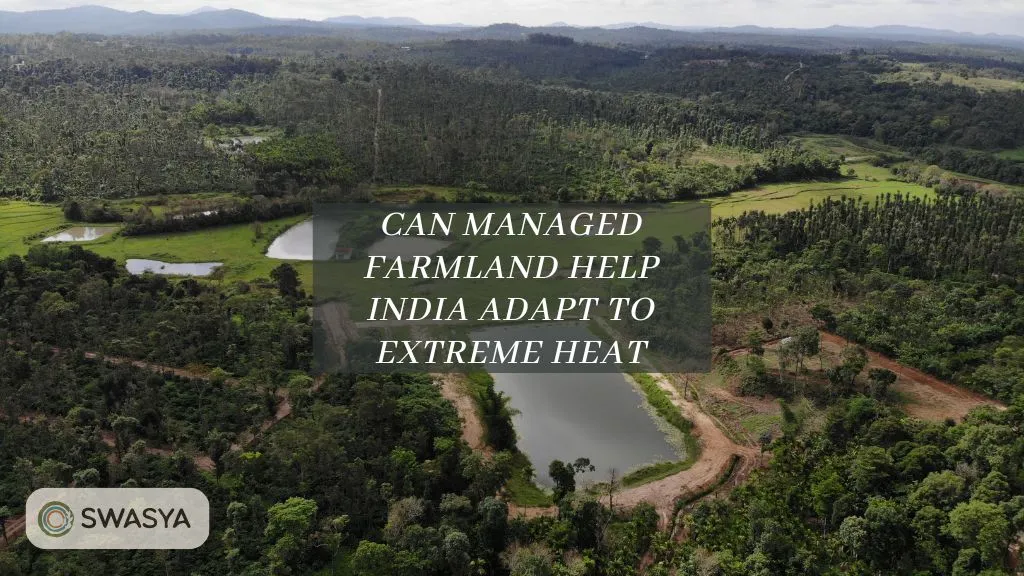
I don’t know about you, but this summer in Bangalore has felt... different. Usually, we boast about our "fan-only" weather, but lately, the AC is running on blast, and the concrete seems to radiate heat even at midnight. It’s scary, honestly. We’re living through the climate change and its impact on india in real-time.
It’s easy to feel helpless when you read the news. But here is something I’ve realized while walking through our estate: the most powerful air conditioner in the world isn't made by electronics. It’s a tree. A dense, thriving forest doesn't just look pretty, it literally changes the air around it. This is why a "managed farm" is becoming so much more than just a plot of land. It’s a survival strategy for a warming country.
Impact of Climate Change on Agriculture in India
We have to talk about the elephant in the room: the effect of climate change on agriculture in india. Our seasons are becoming unpredictable. When it rains, it pours like a deluge; when the sun comes out, it’s a furnace.
For a country where the answer to "how important is agriculture to india" is "it's everything," these shifts are a major wake-up call. We are seeing:
Water Scarcity: Traditional borewells are going dry.
Soil Degradation: Intense heat kills the healthy bacteria in the soil.
Crop Failures: Sudden heat spikes during the flowering stage can ruin an entire year's harvest.
The impact of global warming on agriculture isn't just a farmer's problem anymore. It's an investor's problem and a citizen's problem.
City vs. Farm: The Temperature Gap
Area | Typical Temperature | The "Feel" Factor |
Urban Center (Bangalore/Mumbai) | 38°C | 42°C (Heat trapped by concrete) |
Traditional Open Farmland | 35°C | 36°C (Exposed to direct sun) |
Swasya Managed Farmland | 31°C | 29°C (Canopy cover + moisture) |
How Technical Changes in Agriculture are Fighting the Heat?
We can't just plant a seed and hope for the best anymore. To fight the impact of climate change on agriculture, we have to get smart. At Swasya, we’ve integrated technical changes in agriculture that make our land resilient:
Precision Drip Irrigation: We don't waste a drop. The water goes directly to the roots, keeping the ground cool without draining our aquifers.
Soil Health: By monitoring soil moisture and carbon levels, we ensure the earth stays "alive" even when the sun is relentless.
Miyawaki-Style Microforests: By planting native species densely, we create a "Living Shield" that lowers the local temperature by several degrees.
The relationship between climate and agriculture is changing, and our tech needs to stay one step ahead.
Why a Managed Farm is the Best "Climate Investment"
When people ask me about the impact of climate change on agriculture, they usually expect a sad story. But I see an opportunity. By investing in a managed farmland, you are essentially funding a reforestation project.
Carbon Sequestration: Trees pull CO2 from the sky. Your farm is literally a carbon-cleaning machine.
Biodiversity: A healthy ecosystem with birds, bees, and diverse crops is much more resilient to the impact of global warming on agriculture than a single-crop field.
Microclimate Creation: As your trees grow, they release moisture through transpiration. This cools the air, creating a private sanctuary that is significantly fresher than the city.
The Swasya Edge: Exclusive Climate Resilience
At Swasya Living, we aren’t just selling "plots." We are building a defense against the impact of global warming on agriculture. We’ve been quietly working on an exclusive approach where every managed farm land is treated as a piece of a larger forest.
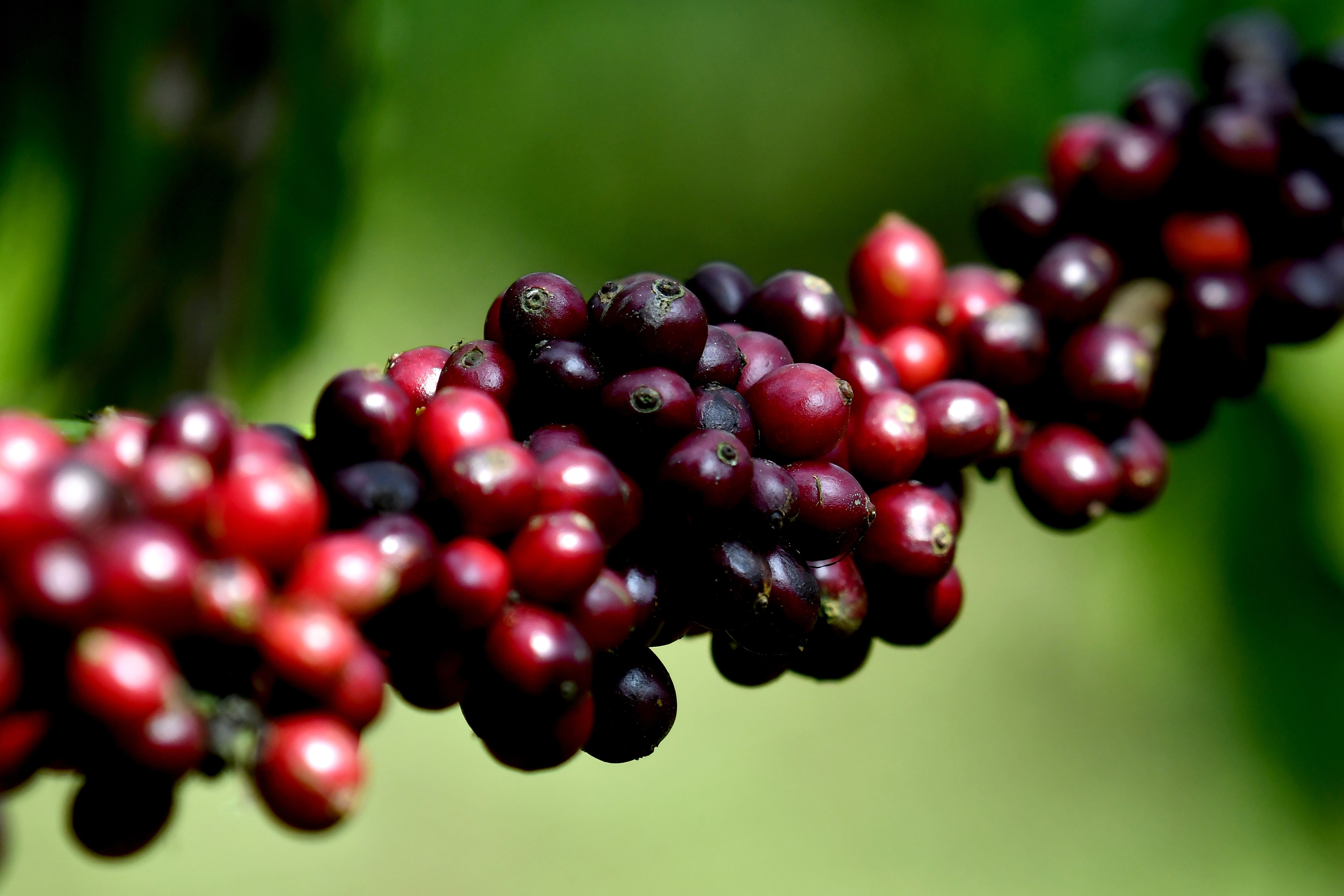
Whether it’s our shade-grown single-origin coffee or our desi ghee from cows that graze on our climate-resilient pastures, everything we do is about bringing the purity and the coolness of the farm back to you. We handle the hard stuff, the soil regeneration, the water management, and the tech, so you can just enjoy the peace of your own private sanctuary.
Growing a Cooler Future
The sun is going to keep shining, and the world is going to keep warming. We can't change the impact of climate change on agriculture overnight. But we can change how we react to it.
Investing in a sustainable land project is a way to tell your family (and the planet), "I’m doing my part." It’s a legacy of green wealth that will only grow more valuable as the world gets hotter.
FAQs
1: Can one farm really make a difference in climate change and its impact on india?
Think of it like this: one tree is a fan, a thousand trees are an AC. When we aggregate hundreds of managed plots together, we create a "Green Lung" that affects the entire region's temperature.
2: How does climate and agriculture affect my investment returns?
It’s simple, climate-resilient farms are more valuable. While traditional farms might struggle with drought, a farm with changes in agriculture (like Swasya’s) continues to produce high-value crops and timber, securing your ROI.
3: What is the biggest effect of climate change on agriculture in india right now?
The "heat-stress" on crops is the biggest challenge. It reduces yield and quality. That’s why we focus on "shade-grown" models and diverse fruit orchards that protect each other.
4: Is it better to buy an apartment or farmland in this heat?
An apartment is made of concrete, which stores heat. Farmland is made of life, which disperses heat. For your long-term health and wealth, land is the "cooler" choice, literally!
I don’t know about you, but this summer in Bangalore has felt... different. Usually, we boast about our "fan-only" weather, but lately, the AC is running on blast, and the concrete seems to radiate heat even at midnight. It’s scary, honestly. We’re living through the climate change and its impact on india in real-time.
It’s easy to feel helpless when you read the news. But here is something I’ve realized while walking through our estate: the most powerful air conditioner in the world isn't made by electronics. It’s a tree. A dense, thriving forest doesn't just look pretty, it literally changes the air around it. This is why a "managed farm" is becoming so much more than just a plot of land. It’s a survival strategy for a warming country.
Impact of Climate Change on Agriculture in India
We have to talk about the elephant in the room: the effect of climate change on agriculture in india. Our seasons are becoming unpredictable. When it rains, it pours like a deluge; when the sun comes out, it’s a furnace.
For a country where the answer to "how important is agriculture to india" is "it's everything," these shifts are a major wake-up call. We are seeing:
Water Scarcity: Traditional borewells are going dry.
Soil Degradation: Intense heat kills the healthy bacteria in the soil.
Crop Failures: Sudden heat spikes during the flowering stage can ruin an entire year's harvest.
The impact of global warming on agriculture isn't just a farmer's problem anymore. It's an investor's problem and a citizen's problem.
City vs. Farm: The Temperature Gap
Area | Typical Temperature | The "Feel" Factor |
Urban Center (Bangalore/Mumbai) | 38°C | 42°C (Heat trapped by concrete) |
Traditional Open Farmland | 35°C | 36°C (Exposed to direct sun) |
Swasya Managed Farmland | 31°C | 29°C (Canopy cover + moisture) |
How Technical Changes in Agriculture are Fighting the Heat?
We can't just plant a seed and hope for the best anymore. To fight the impact of climate change on agriculture, we have to get smart. At Swasya, we’ve integrated technical changes in agriculture that make our land resilient:
Precision Drip Irrigation: We don't waste a drop. The water goes directly to the roots, keeping the ground cool without draining our aquifers.
Soil Health: By monitoring soil moisture and carbon levels, we ensure the earth stays "alive" even when the sun is relentless.
Miyawaki-Style Microforests: By planting native species densely, we create a "Living Shield" that lowers the local temperature by several degrees.
The relationship between climate and agriculture is changing, and our tech needs to stay one step ahead.
Why a Managed Farm is the Best "Climate Investment"
When people ask me about the impact of climate change on agriculture, they usually expect a sad story. But I see an opportunity. By investing in a managed farmland, you are essentially funding a reforestation project.
Carbon Sequestration: Trees pull CO2 from the sky. Your farm is literally a carbon-cleaning machine.
Biodiversity: A healthy ecosystem with birds, bees, and diverse crops is much more resilient to the impact of global warming on agriculture than a single-crop field.
Microclimate Creation: As your trees grow, they release moisture through transpiration. This cools the air, creating a private sanctuary that is significantly fresher than the city.
The Swasya Edge: Exclusive Climate Resilience
At Swasya Living, we aren’t just selling "plots." We are building a defense against the impact of global warming on agriculture. We’ve been quietly working on an exclusive approach where every managed farm land is treated as a piece of a larger forest.
Whether it’s our shade-grown single-origin coffee or our desi ghee from cows that graze on our climate-resilient pastures, everything we do is about bringing the purity and the coolness of the farm back to you. We handle the hard stuff, the soil regeneration, the water management, and the tech, so you can just enjoy the peace of your own private sanctuary.
Growing a Cooler Future
The sun is going to keep shining, and the world is going to keep warming. We can't change the impact of climate change on agriculture overnight. But we can change how we react to it.
Investing in a sustainable land project is a way to tell your family (and the planet), "I’m doing my part." It’s a legacy of green wealth that will only grow more valuable as the world gets hotter.
FAQs
1: Can one farm really make a difference in climate change and its impact on india?
Think of it like this: one tree is a fan, a thousand trees are an AC. When we aggregate hundreds of managed plots together, we create a "Green Lung" that affects the entire region's temperature.
2: How does climate and agriculture affect my investment returns?
It’s simple, climate-resilient farms are more valuable. While traditional farms might struggle with drought, a farm with changes in agriculture (like Swasya’s) continues to produce high-value crops and timber, securing your ROI.
3: What is the biggest effect of climate change on agriculture in india right now?
The "heat-stress" on crops is the biggest challenge. It reduces yield and quality. That’s why we focus on "shade-grown" models and diverse fruit orchards that protect each other.
4: Is it better to buy an apartment or farmland in this heat?
An apartment is made of concrete, which stores heat. Farmland is made of life, which disperses heat. For your long-term health and wealth, land is the "cooler" choice, literally!
Akshata
You Might Also Like


Subscribe to the Swasya
newsletter
Discover insights about sustainable farming, investment opportunities, and the future of agriculture.
By subscribing, you agree to the Privacy Policy
Subscribe to the Swasya
newsletter
Discover insights about sustainable farming, investment opportunities, and the future of agriculture.
By subscribing, you agree to the Privacy Policy