Sustainability
Why Sustainable Communities Are the Future of Real Estate in India?
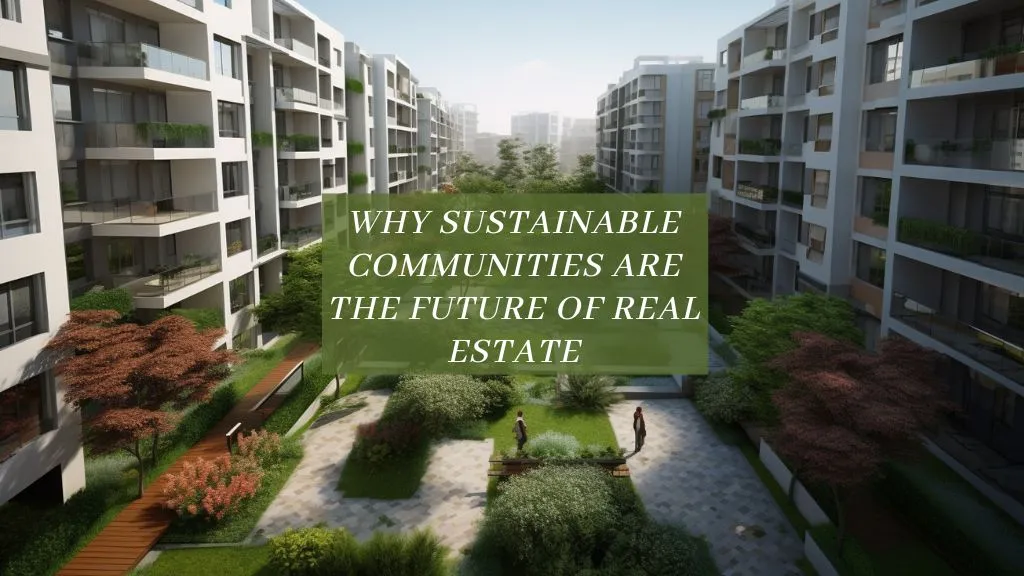
If you’ve lived in Bangalore, Mumbai, or Delhi lately, you’ve felt it. The "unprecedented" heatwaves, the sudden floods, and that layer of grey smog that just won't go away. For a long time, the future of real estate in India was all about "bigger, taller, and more glass." But in 2026, the vibe has shifted.
We’re realizing that living in a concrete box with three ACs running 24/7 isn't "luxury", it’s a trap. People are tired. They want out. They are looking for Sustainable Communities where the air actually smells like rain and the electricity bill doesn't look like a phone number.
At Swasya Living, we aren't just building plots; we’re betting on the fact that sustainable cities and communities are the only way forward. Here’s why the industry is finally waking up to this reality.
The Shift: Why Traditional Real Estate is Cooling Down
Feature | Old Real Estate Model | The Sustainable Community Model |
Energy | Grid-dependent (Expensive) | Solar-passive & Renewable-heavy |
Water | Tankers & Depleting Borewells | Rainwater harvesting & 5-acre lakes |
Food | Plastic-wrapped from Supermarkets | Farm-to-table (Grow your own) |
Social | Isolated apartments | Community based sustainable development |
Value | Depreciating structure | Appreciating land & ecosystem |
1. The "Resilience" Factor in 2026
The future of real estate in India is being dictated by climate resilience. Remember the floods in 2022 and 2024? The properties that held their value weren't the ones with the fanciest lobbies; they were the ones with proper drainage, soil permeability, and forest cover.
Sustainable Communities are designed to "breathe." At Swasya, we use mud-blocks and laterite because they keep the indoors 4-5 degrees cooler naturally. When the city is boiling at 40°C, our residents are chilling without a massive carbon footprint. This isn't just "eco-friendly", it’s smart economics.
2. Community-Based Sustainable Development: Beyond the Individual
Individual sustainability is hard. Trying to compost, save water, and grow food alone in a 3BHK is a full-time job. But community-based sustainable development changes the game.
When 50 families share a massive solar grid, a 3-acre kitchen garden, and a scientific water management system, the cost per person drops. This is why sustainable cities and communities are becoming the preferred choice for NRIs and young IT professionals. It’s "Luxury 2.0", where the luxury is the peace of mind that your lifestyle isn't killing the planet.
3. Wellness as the New ROI
In 2026, real estate isn't just about square footage; it's about life expectancy. People are searching for Sustainable Communities because they want their kids to know what a butterfly looks like and their parents to breathe air that doesn't need a purifier.
At Swasya, we’ve seen that properties focused on sustainable cities and communities appreciate faster. Why? Because you can build 1,000 apartments in a year, but you can't "build" a 15,000-tree forest or a self-sustaining lake overnight. Scarcity drives value, and "clean nature" is the scarcest resource we have.
What Makes a Community Truly Sustainable? (The Checklist)
Renewable Energy: Not just a few solar streetlights, but a systemic shift to clean power.
Water Neutrality: If a project is still calling for water tankers in its third year, it’s not sustainable. Period.
Waste to Wealth: In-house composting that feeds the very soil where your vegetables grow.
Passive Architecture: Using local materials like mud, stone, and lime that have low "embodied energy."
Shared Resources: The community based sustainable development model works best when amenities like gyms, pet pools, and tool sheds are shared, reducing overall consumption.
The Economic Reality: Is it a "Rich Person" Hobby?
A big myth is that Sustainable Communities are only for the elite. Actually, it's the opposite. While the upfront "buy-in" might be 10-15% higher due to green tech, the future of real estate in India shows that operational costs in these projects are 30-40% lower. No more massive "Maintenance Charges" for diesel generators or water tankers. You’re essentially "pre-paying" your utility bills for the next 20 years.
The Legacy We Leave
At the end of the day, the future of real estate in India isn't about more skyscrapers. It’s about returning to a way of life that works with the land, not against it.
When we talk about sustainable cities and communities, we are talking about a place where your investment grows as the trees grow. It’s about building a "moat" around your family’s health and wealth.
If you’re tired of the "churn and burn" of city real estate, it’s time to see what’s actually possible. Our Sannidhi Ecofarms in Sakleshpur is already a living example of this. It’s green and thriving. We are also now bringing that same spirit to our upcoming Sustainable Communities in Kanakapura.
Honestly? The view from a farm in Sakleshpur looks a whole lot greener than any "luxury" balcony in the city.
FAQs
1. Is it harder to get a loan for sustainable projects?
Actually, it’s getting easier. Many banks in India now offer "Green Home Loans" with slightly lower interest rates for projects that meet specific sustainability criteria. They know that the future of real estate in India lies in these low-risk, resilient assets.
2. How does "managed farmland" fit into sustainable cities and communities?
Managed farmland is the bridge. It allows urban dwellers to own a part of a Sustainable Community without having to quit their 9-5 jobs. Swasya handles the "sustainable" part, the planting, the soil health, the security, while you enjoy the "community" part.
3. Does sustainable living mean I have to give up luxury?
No! Have you seen our 1/2 acre clubhouse or the infinity pools? Sustainable means smarter, not lesser. It’s about high-end tech meeting ancient wisdom.
If you’ve lived in Bangalore, Mumbai, or Delhi lately, you’ve felt it. The "unprecedented" heatwaves, the sudden floods, and that layer of grey smog that just won't go away. For a long time, the future of real estate in India was all about "bigger, taller, and more glass." But in 2026, the vibe has shifted.
We’re realizing that living in a concrete box with three ACs running 24/7 isn't "luxury", it’s a trap. People are tired. They want out. They are looking for Sustainable Communities where the air actually smells like rain and the electricity bill doesn't look like a phone number.
At Swasya Living, we aren't just building plots; we’re betting on the fact that sustainable cities and communities are the only way forward. Here’s why the industry is finally waking up to this reality.
The Shift: Why Traditional Real Estate is Cooling Down
Feature | Old Real Estate Model | The Sustainable Community Model |
Energy | Grid-dependent (Expensive) | Solar-passive & Renewable-heavy |
Water | Tankers & Depleting Borewells | Rainwater harvesting & 5-acre lakes |
Food | Plastic-wrapped from Supermarkets | Farm-to-table (Grow your own) |
Social | Isolated apartments | Community based sustainable development |
Value | Depreciating structure | Appreciating land & ecosystem |
1. The "Resilience" Factor in 2026
The future of real estate in India is being dictated by climate resilience. Remember the floods in 2022 and 2024? The properties that held their value weren't the ones with the fanciest lobbies; they were the ones with proper drainage, soil permeability, and forest cover.
Sustainable Communities are designed to "breathe." At Swasya, we use mud-blocks and laterite because they keep the indoors 4-5 degrees cooler naturally. When the city is boiling at 40°C, our residents are chilling without a massive carbon footprint. This isn't just "eco-friendly", it’s smart economics.
2. Community-Based Sustainable Development: Beyond the Individual
Individual sustainability is hard. Trying to compost, save water, and grow food alone in a 3BHK is a full-time job. But community-based sustainable development changes the game.
When 50 families share a massive solar grid, a 3-acre kitchen garden, and a scientific water management system, the cost per person drops. This is why sustainable cities and communities are becoming the preferred choice for NRIs and young IT professionals. It’s "Luxury 2.0", where the luxury is the peace of mind that your lifestyle isn't killing the planet.
3. Wellness as the New ROI
In 2026, real estate isn't just about square footage; it's about life expectancy. People are searching for Sustainable Communities because they want their kids to know what a butterfly looks like and their parents to breathe air that doesn't need a purifier.
At Swasya, we’ve seen that properties focused on sustainable cities and communities appreciate faster. Why? Because you can build 1,000 apartments in a year, but you can't "build" a 15,000-tree forest or a self-sustaining lake overnight. Scarcity drives value, and "clean nature" is the scarcest resource we have.
What Makes a Community Truly Sustainable? (The Checklist)
Renewable Energy: Not just a few solar streetlights, but a systemic shift to clean power.
Water Neutrality: If a project is still calling for water tankers in its third year, it’s not sustainable. Period.
Waste to Wealth: In-house composting that feeds the very soil where your vegetables grow.
Passive Architecture: Using local materials like mud, stone, and lime that have low "embodied energy."
Shared Resources: The community based sustainable development model works best when amenities like gyms, pet pools, and tool sheds are shared, reducing overall consumption.
The Economic Reality: Is it a "Rich Person" Hobby?
A big myth is that Sustainable Communities are only for the elite. Actually, it's the opposite. While the upfront "buy-in" might be 10-15% higher due to green tech, the future of real estate in India shows that operational costs in these projects are 30-40% lower. No more massive "Maintenance Charges" for diesel generators or water tankers. You’re essentially "pre-paying" your utility bills for the next 20 years.
The Legacy We Leave
At the end of the day, the future of real estate in India isn't about more skyscrapers. It’s about returning to a way of life that works with the land, not against it.
When we talk about sustainable cities and communities, we are talking about a place where your investment grows as the trees grow. It’s about building a "moat" around your family’s health and wealth.
If you’re tired of the "churn and burn" of city real estate, it’s time to see what’s actually possible. Our Sannidhi Ecofarms in Sakleshpur is already a living example of this. It’s green and thriving. We are also now bringing that same spirit to our upcoming Sustainable Communities in Kanakapura.
Honestly? The view from a farm in Sakleshpur looks a whole lot greener than any "luxury" balcony in the city.
FAQs
1. Is it harder to get a loan for sustainable projects?
Actually, it’s getting easier. Many banks in India now offer "Green Home Loans" with slightly lower interest rates for projects that meet specific sustainability criteria. They know that the future of real estate in India lies in these low-risk, resilient assets.
2. How does "managed farmland" fit into sustainable cities and communities?
Managed farmland is the bridge. It allows urban dwellers to own a part of a Sustainable Community without having to quit their 9-5 jobs. Swasya handles the "sustainable" part, the planting, the soil health, the security, while you enjoy the "community" part.
3. Does sustainable living mean I have to give up luxury?
No! Have you seen our 1/2 acre clubhouse or the infinity pools? Sustainable means smarter, not lesser. It’s about high-end tech meeting ancient wisdom.
Akshata
You Might Also Like

Subscribe to the Swasya
newsletter
Discover insights about sustainable farming, investment opportunities, and the future of agriculture.
By subscribing, you agree to the Privacy Policy
Subscribe to the Swasya
newsletter
Discover insights about sustainable farming, investment opportunities, and the future of agriculture.
By subscribing, you agree to the Privacy Policy