Sustainability
20+ Sustainable Home Interior Design Ideas Inspired by Nature | Swasya
29 Jul 2026
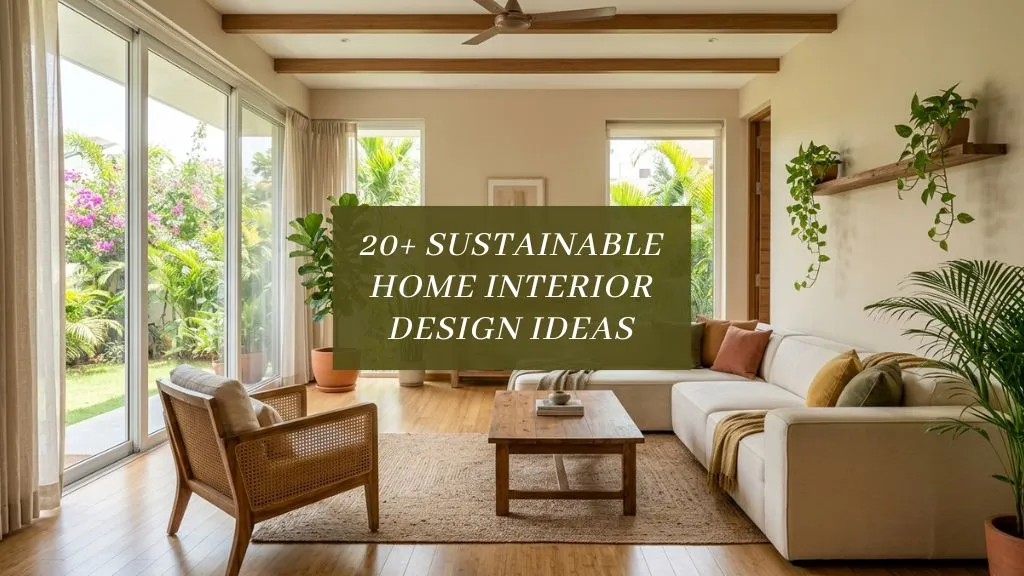
Your home should do more than just look beautiful—it should help you live healthier, breathe cleaner, and reduce your impact on the environment. That's the idea behind sustainable interior design. By choosing natural materials, energy-efficient solutions, and eco-friendly furnishings, you can create a home that's stylish, comfortable, and built to last.
Whether you're building a new home or renovating an existing one, small design choices can make a big difference. From reclaimed wood furniture and low-VOC paints to passive ventilation and locally sourced materials, sustainable interiors improve indoor air quality, lower energy consumption, and create spaces that feel naturally connected to nature.
In this guide, you'll discover practical sustainable interior design ideas, the best eco-friendly interior materials, room-by-room design tips, and simple ways to create a healthier home—while learning how Swasya incorporates sustainability into every living space.
Eco-Friendly vs Sustainable Interior Design: What's the Real Difference?
A lot of interior brands use these terms interchangeably because they love greenwashing their brochures. But there’s a pretty huge difference in how they actually impact the earth.
Eco Friendly Interior Design: This focuses completely on the immediate present. It’s about minimizing harm right now. Think of things like buying a bamboo chair instead of a rare teak wood one, or picking up water-based finishes instead of smelly, solvent-heavy varnishes. It asks a simple question: "How do we do less damage today?"
Sustainable Interior Design: This has much bigger, long-term ambitions. It looks at the entire lifecycle of an object. Where did the material come from? Were the local artisans paid a fair wage? Will this piece of furniture last for three decades, or will it break in two years and sit in a landfill forever? It doesn't just try to avoid harm, it aims to regenerate. It asks: "How can our spaces actually help heal the environment?"
Also Check: Top 10 Eco-Friendly Building Materials
The 5 Rs of Sustainable Interior Design Every Homeowner Should Follow
To keep things practical on the field, we rely on a very simple manifesto called the 5 Rs of Design. It’s an easy mental checklist to use before you tap your credit card at a furniture store:
Refuse: Do you really need that extra decorative plastic side table? Question every single purchase.
Reduce: Challenge the modern cult of "more stuff." Less clutter means better air circulation and less dust buildup.
Reuse: Celebrate history. Upcycling an old vintage cabinet beats buying cheap, mass-produced particle board any day.
Recycle: If you must buy new, look for closed-loop products like tiles made from recycled glass bottles.
Rot: Choose sustainable materials for interiors that can eventually return to the earth naturally without poisoning the soil.
Room-by-Room Sustainable Interior Design Ideas for Every Home
You don’t have to tear down your entire house to make a difference. You can start small. Here is a breakdown of how to rethink your spaces.
1. The Living Room
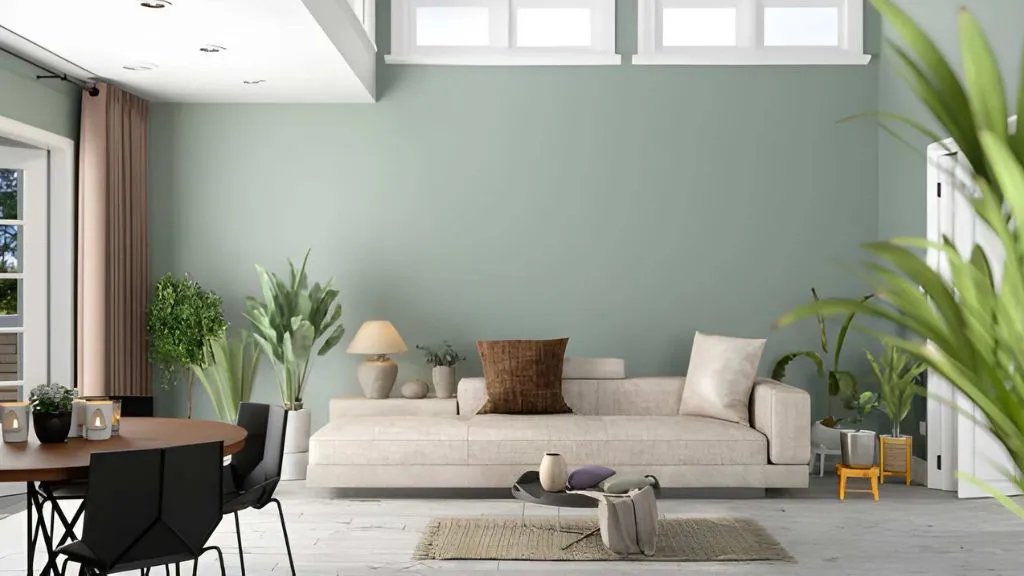
The living room is where everyone gathers, but it’s also usually full of synthetic polyesters that trap heat.
Natural Fiber Furnishings: Swap out synthetic rugs for cane, jute, sabai grass, or water hyacinth. These materials actively sequester carbon dioxide within their fibers. Plus, when they eventually wear out after years of hard use, they degrade naturally instead of sitting in a trash heap for five centuries.
Red Oxide Flooring: Instead of flying in heavy, high-carbon imported marble, look at traditional red oxide floors (the kind you see in gorgeous old Kerala homes). They have better thermal mass, meaning they naturally absorb heat during the blistering afternoon and keep the floor beautifully cool under your bare feet.
Peel Back the Walls: If you're renovating, consider installing double-glazed folding or sliding doors. Being able to open up an entire wall completely eliminates your dependency on heavy air conditioning during cooler monsoon months.
2. The Kitchen
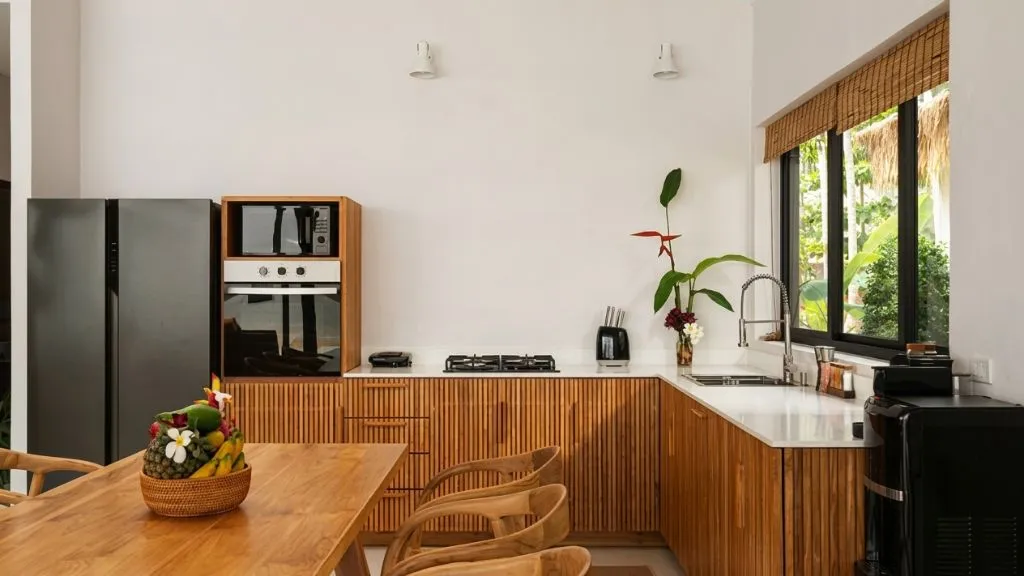
Kitchens are high-traffic, high-moisture zones, which makes picking the right sustainable interior design materials incredibly critical.
Terrazzo Countertops: Traditional stone quarrying destroys local ecosystems. Instead, use terrazzo, which is made by binding leftover marble and granite waste chunks with simple cement. It lasts for decades and looks incredibly bespoke.
Wicker & Bamboo Baskets: Ditch the plastic pull-out organizers. Hand-woven wicker baskets from managed bamboo plantations create a natural carbon sink. Because they are breathable, they naturally regulate moisture, which keeps your onions and potatoes fresh for way longer without turning mushy.
Best Sustainable Interior Design Materials: Complete Comparison Guide
When you're choosing your finishes, use this quick reference table to see what you're actually bringing into your home:
Space Component | High-Impact Choice (Avoid) | Sustainable Alternative (Choose) | Real-World Benefit |
Flooring | Imported Virgin Marble / Vinyl | Red Oxide / Terrazzo | High thermal mass keeps rooms cool; utilizes stone waste. |
Wall Finishes | High-VOC Chemical Paints | Low-VOC / Clay/ Milk Paints | Stops toxic off-gassing; drastically improves indoor air quality. |
Living Furniture | Particle Board / Polyester Sofas | Reclaimed Wood / Jute / Cane | Lasts generations; won't leach formaldehyde chemicals. |
Windows | Single Glaze / Aluminum Frames | Double-Glazed / Local Wood | Cuts down street noise and slashes summer cooling bills. |
Storage Units | Virgin Timber Almari | Salvaged Timber / Restored Vintage | Keeps old-growth wood in circulation; incredible raw patina. |
3. The Bathroom
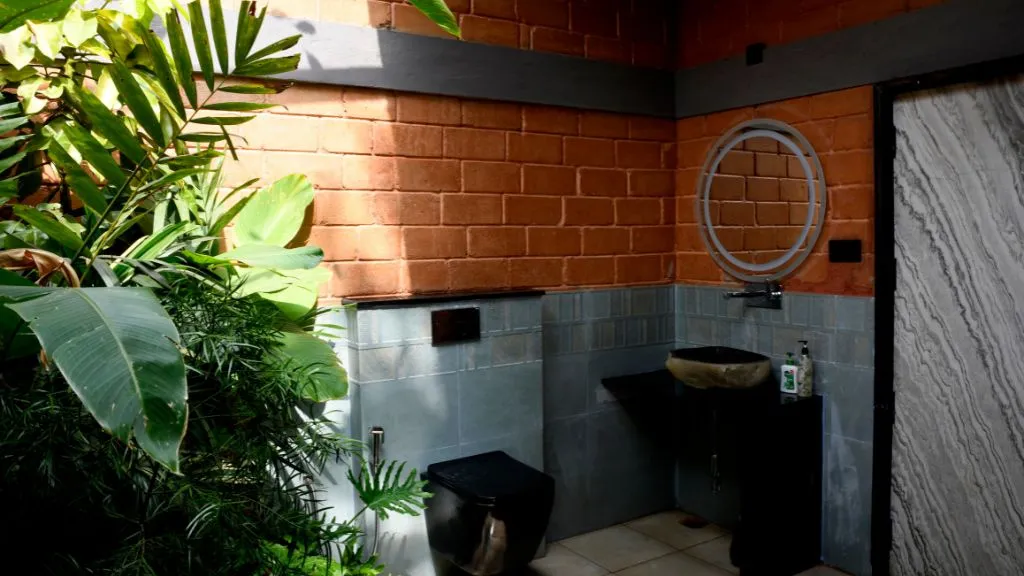
Bathrooms are notoriously wasteful when it comes to water and electricity. Here is how to fix that:
Low-Flow Fixtures: Install aerated showerheads and thermostatic mixers. They mix air into the water stream, giving you that luxurious, high-pressure feel while cutting your actual water consumption in half.
Botanical Air Filters: Bathrooms are warm and humid—perfect for indoor plants native to forest understories. Ferns and peace lilies thrive here, acting as living air purifiers that soak up excess moisture and filter out airborne toxins.
Solar Water Heaters: In a sun-soaked country, using electricity to heat water is a total waste. Roof-mounted solar thermal collectors capture raw heat directly from the sun and store it for your morning shower, taking a massive chunk off your monthly utility bill.
4. The Bedroom
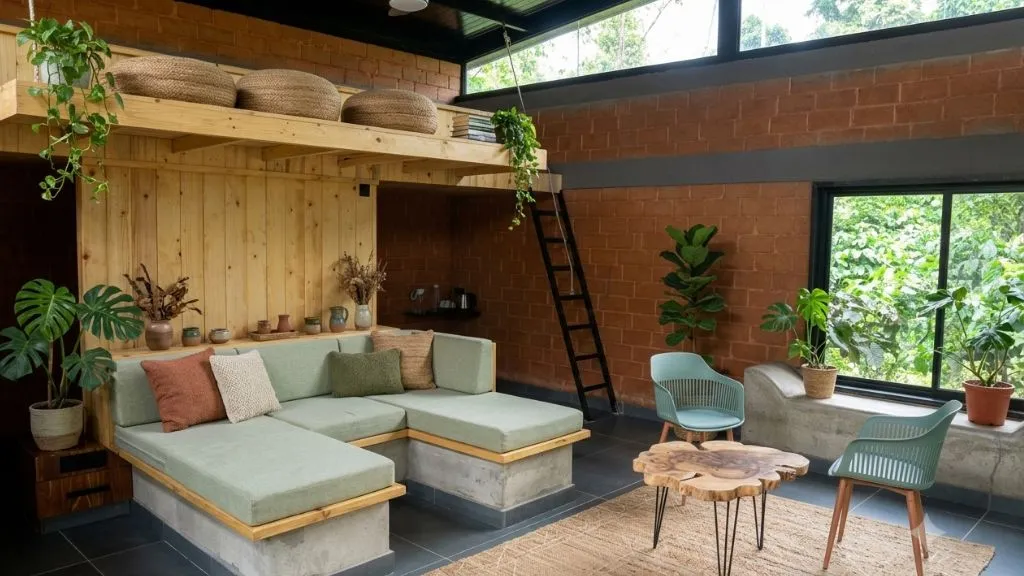
We spend roughly a third of our lives in our bedrooms, completely pressed against bedding and surrounding furniture.
Say No to Formaldehyde: Most mass-market bedroom wardrobes are made of cheap particle board that continually leaks formaldehyde gas into the air while you sleep. Look for furniture made from reclaimed railway sleepers or restored vintage almaris. The wood density is far superior, and it brings a beautiful, soulful character into the room.
Organic Cotton Sheets: Conventional cotton is heavily sprayed with pesticides. Switch to organic cotton sourced from regional farming hubs like Gujarat or Telangana. They regulate body temperature way better than synthetic polyester sheets, preventing those annoying night sweats.
Also read: Mud Blocks for Sustainable Building Construction
How Swasya's Sustainable Homes That Promote Healthy Living
At Swasya, sustainable interior design isn't something we add at the end—it's where every space begins. We use locally sourced materials, natural textures, mud-based construction wherever possible, passive ventilation, abundant daylight, and energy-efficient planning so our homes stay naturally cooler and healthier.
From solar-powered infrastructure to low-impact finishes, every decision is made to reduce our carbon footprint without compromising on comfort. We truly believe a home should breathe with nature, not fight against it. And honestly, once you experience a space designed this way, going back to concrete boxes feels... a little difficult.
Why Choosing Local Materials Makes Your Home More Sustainable
If there is one absolute truth in environmentally friendly interior design, it’s this: look close to home.
Buying Jaisalmer stone, Athangudi tiles, or locally woven textiles drastically cuts down the insane transport emissions caused by shipping heavy materials across oceans. It supports regional craft communities and creates a home that actually belongs to its landscape.
Start by making just one or two conscious swaps this month, whether it's switching to low-VOC paints that won't give you a headache, or hunting down a beautiful piece of reclaimed wood furniture. Your home, and your lungs, will thank you for it.
FAQS
1: What exactly is sustainable interior design?
It is the practice of designing indoor spaces that minimize environmental impact while prioritizing human health, longevity, and resource conservation.
2: Which sustainable interior design materials are best for a healthy home?
Natural, renewable, and low-emission options like cork, bamboo, jute, reclaimed timber, and local red oxide are best.
3: What is the main difference between sustainable and eco friendly interior design?
Eco-friendly design focuses on reducing immediate environmental harm, while sustainable design considers the long-term, structural lifecycle and regenerative impact of choices.
4: How do I choose sustainable materials for interiors without greenwashing?
Look for transparent manufacturing processes and third-party eco-certifications like FSC for wood or GREENGUARD for non-toxic indoor finishes.
5: How can sustainable interior design lower my monthly utility bills?
Implementing double-glazed windows, solar water heaters, and layouts with cross-ventilation cuts reliance on artificial lighting and heavy air conditioning.
6: Why are low-VOC paints recommended for an environmentally friendly interior design?
Low-VOC paints eliminate toxic chemical off-gassing, which prevents headaches and allergy flare-ups while drastically improving your indoor air quality.
Your home should do more than just look beautiful—it should help you live healthier, breathe cleaner, and reduce your impact on the environment. That's the idea behind sustainable interior design. By choosing natural materials, energy-efficient solutions, and eco-friendly furnishings, you can create a home that's stylish, comfortable, and built to last.
Whether you're building a new home or renovating an existing one, small design choices can make a big difference. From reclaimed wood furniture and low-VOC paints to passive ventilation and locally sourced materials, sustainable interiors improve indoor air quality, lower energy consumption, and create spaces that feel naturally connected to nature.
In this guide, you'll discover practical sustainable interior design ideas, the best eco-friendly interior materials, room-by-room design tips, and simple ways to create a healthier home—while learning how Swasya incorporates sustainability into every living space.
Eco-Friendly vs Sustainable Interior Design: What's the Real Difference?
A lot of interior brands use these terms interchangeably because they love greenwashing their brochures. But there’s a pretty huge difference in how they actually impact the earth.
Eco Friendly Interior Design: This focuses completely on the immediate present. It’s about minimizing harm right now. Think of things like buying a bamboo chair instead of a rare teak wood one, or picking up water-based finishes instead of smelly, solvent-heavy varnishes. It asks a simple question: "How do we do less damage today?"
Sustainable Interior Design: This has much bigger, long-term ambitions. It looks at the entire lifecycle of an object. Where did the material come from? Were the local artisans paid a fair wage? Will this piece of furniture last for three decades, or will it break in two years and sit in a landfill forever? It doesn't just try to avoid harm, it aims to regenerate. It asks: "How can our spaces actually help heal the environment?"
Also Check: Top 10 Eco-Friendly Building Materials
The 5 Rs of Sustainable Interior Design Every Homeowner Should Follow
To keep things practical on the field, we rely on a very simple manifesto called the 5 Rs of Design. It’s an easy mental checklist to use before you tap your credit card at a furniture store:
Refuse: Do you really need that extra decorative plastic side table? Question every single purchase.
Reduce: Challenge the modern cult of "more stuff." Less clutter means better air circulation and less dust buildup.
Reuse: Celebrate history. Upcycling an old vintage cabinet beats buying cheap, mass-produced particle board any day.
Recycle: If you must buy new, look for closed-loop products like tiles made from recycled glass bottles.
Rot: Choose sustainable materials for interiors that can eventually return to the earth naturally without poisoning the soil.
Room-by-Room Sustainable Interior Design Ideas for Every Home
You don’t have to tear down your entire house to make a difference. You can start small. Here is a breakdown of how to rethink your spaces.
1. The Living Room
The living room is where everyone gathers, but it’s also usually full of synthetic polyesters that trap heat.
Natural Fiber Furnishings: Swap out synthetic rugs for cane, jute, sabai grass, or water hyacinth. These materials actively sequester carbon dioxide within their fibers. Plus, when they eventually wear out after years of hard use, they degrade naturally instead of sitting in a trash heap for five centuries.
Red Oxide Flooring: Instead of flying in heavy, high-carbon imported marble, look at traditional red oxide floors (the kind you see in gorgeous old Kerala homes). They have better thermal mass, meaning they naturally absorb heat during the blistering afternoon and keep the floor beautifully cool under your bare feet.
Peel Back the Walls: If you're renovating, consider installing double-glazed folding or sliding doors. Being able to open up an entire wall completely eliminates your dependency on heavy air conditioning during cooler monsoon months.
2. The Kitchen
Kitchens are high-traffic, high-moisture zones, which makes picking the right sustainable interior design materials incredibly critical.
Terrazzo Countertops: Traditional stone quarrying destroys local ecosystems. Instead, use terrazzo, which is made by binding leftover marble and granite waste chunks with simple cement. It lasts for decades and looks incredibly bespoke.
Wicker & Bamboo Baskets: Ditch the plastic pull-out organizers. Hand-woven wicker baskets from managed bamboo plantations create a natural carbon sink. Because they are breathable, they naturally regulate moisture, which keeps your onions and potatoes fresh for way longer without turning mushy.
Best Sustainable Interior Design Materials: Complete Comparison Guide
When you're choosing your finishes, use this quick reference table to see what you're actually bringing into your home:
Space Component | High-Impact Choice (Avoid) | Sustainable Alternative (Choose) | Real-World Benefit |
Flooring | Imported Virgin Marble / Vinyl | Red Oxide / Terrazzo | High thermal mass keeps rooms cool; utilizes stone waste. |
Wall Finishes | High-VOC Chemical Paints | Low-VOC / Clay/ Milk Paints | Stops toxic off-gassing; drastically improves indoor air quality. |
Living Furniture | Particle Board / Polyester Sofas | Reclaimed Wood / Jute / Cane | Lasts generations; won't leach formaldehyde chemicals. |
Windows | Single Glaze / Aluminum Frames | Double-Glazed / Local Wood | Cuts down street noise and slashes summer cooling bills. |
Storage Units | Virgin Timber Almari | Salvaged Timber / Restored Vintage | Keeps old-growth wood in circulation; incredible raw patina. |
3. The Bathroom
Bathrooms are notoriously wasteful when it comes to water and electricity. Here is how to fix that:
Low-Flow Fixtures: Install aerated showerheads and thermostatic mixers. They mix air into the water stream, giving you that luxurious, high-pressure feel while cutting your actual water consumption in half.
Botanical Air Filters: Bathrooms are warm and humid—perfect for indoor plants native to forest understories. Ferns and peace lilies thrive here, acting as living air purifiers that soak up excess moisture and filter out airborne toxins.
Solar Water Heaters: In a sun-soaked country, using electricity to heat water is a total waste. Roof-mounted solar thermal collectors capture raw heat directly from the sun and store it for your morning shower, taking a massive chunk off your monthly utility bill.
4. The Bedroom
We spend roughly a third of our lives in our bedrooms, completely pressed against bedding and surrounding furniture.
Say No to Formaldehyde: Most mass-market bedroom wardrobes are made of cheap particle board that continually leaks formaldehyde gas into the air while you sleep. Look for furniture made from reclaimed railway sleepers or restored vintage almaris. The wood density is far superior, and it brings a beautiful, soulful character into the room.
Organic Cotton Sheets: Conventional cotton is heavily sprayed with pesticides. Switch to organic cotton sourced from regional farming hubs like Gujarat or Telangana. They regulate body temperature way better than synthetic polyester sheets, preventing those annoying night sweats.
Also read: Mud Blocks for Sustainable Building Construction
How Swasya's Sustainable Homes That Promote Healthy Living
At Swasya, sustainable interior design isn't something we add at the end—it's where every space begins. We use locally sourced materials, natural textures, mud-based construction wherever possible, passive ventilation, abundant daylight, and energy-efficient planning so our homes stay naturally cooler and healthier.
From solar-powered infrastructure to low-impact finishes, every decision is made to reduce our carbon footprint without compromising on comfort. We truly believe a home should breathe with nature, not fight against it. And honestly, once you experience a space designed this way, going back to concrete boxes feels... a little difficult.
Why Choosing Local Materials Makes Your Home More Sustainable
If there is one absolute truth in environmentally friendly interior design, it’s this: look close to home.
Buying Jaisalmer stone, Athangudi tiles, or locally woven textiles drastically cuts down the insane transport emissions caused by shipping heavy materials across oceans. It supports regional craft communities and creates a home that actually belongs to its landscape.
Start by making just one or two conscious swaps this month, whether it's switching to low-VOC paints that won't give you a headache, or hunting down a beautiful piece of reclaimed wood furniture. Your home, and your lungs, will thank you for it.
FAQS
1: What exactly is sustainable interior design?
It is the practice of designing indoor spaces that minimize environmental impact while prioritizing human health, longevity, and resource conservation.
2: Which sustainable interior design materials are best for a healthy home?
Natural, renewable, and low-emission options like cork, bamboo, jute, reclaimed timber, and local red oxide are best.
3: What is the main difference between sustainable and eco friendly interior design?
Eco-friendly design focuses on reducing immediate environmental harm, while sustainable design considers the long-term, structural lifecycle and regenerative impact of choices.
4: How do I choose sustainable materials for interiors without greenwashing?
Look for transparent manufacturing processes and third-party eco-certifications like FSC for wood or GREENGUARD for non-toxic indoor finishes.
5: How can sustainable interior design lower my monthly utility bills?
Implementing double-glazed windows, solar water heaters, and layouts with cross-ventilation cuts reliance on artificial lighting and heavy air conditioning.
6: Why are low-VOC paints recommended for an environmentally friendly interior design?
Low-VOC paints eliminate toxic chemical off-gassing, which prevents headaches and allergy flare-ups while drastically improving your indoor air quality.
Akshata
You Might Also Like




Subscribe to the Swasya
newsletter
Discover insights about sustainable farming, investment opportunities, and the future of agriculture.
By subscribing, you agree to the Privacy Policy
Subscribe to the Swasya
newsletter
Discover insights about sustainable farming, investment opportunities, and the future of agriculture.
By subscribing, you agree to the Privacy Policy