Farming
Top 40 Medicinal Plants in India and Their Uses 2026
28 Jul 2026
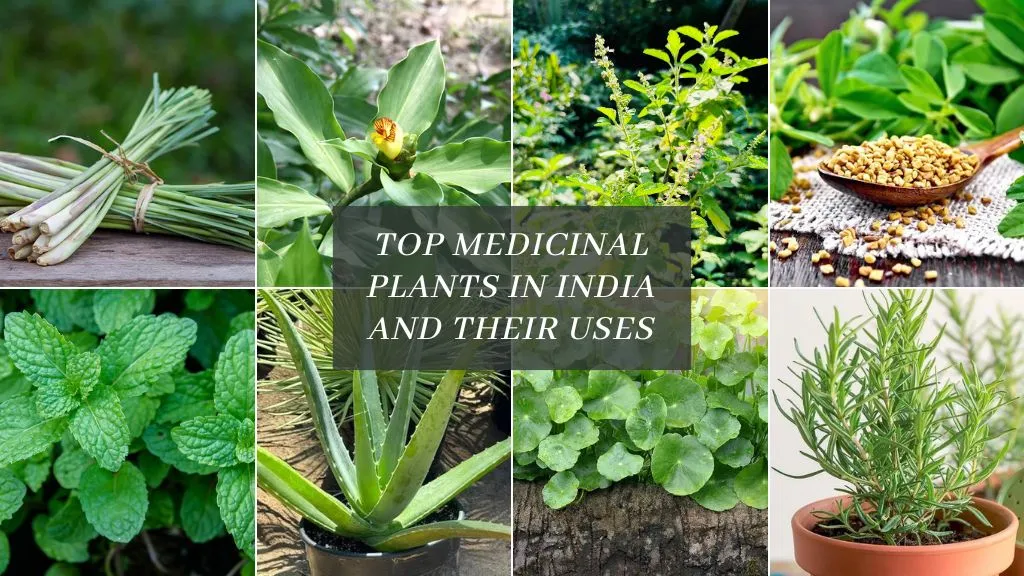
For centuries, medicinal plants have been an essential part of Indian households, offering natural remedies for everyday health concerns. Long before modern medicines became widely available, families relied on Ayurvedic herbs and medicinal plants to treat coughs, improve digestion, heal wounds, strengthen immunity, and promote overall well-being.
Today, as more people embrace sustainable living and chemical-free lifestyles, growing medicinal plants at home has become increasingly popular. Whether you have a spacious garden or a small balcony, many of these powerful herbs thrive in pots and provide easy access to nature's own pharmacy.
In this guide, you'll discover the top medicinal plants in India, their health benefits, common uses, and why every home should have these remarkable Ayurvedic herbs growing just a few steps away.
What Are Medicinal Plants? Meaning, Benefits & Importance
Let’s skip the heavy, confusing botanical definitions for a second. At its absolute core, a medicinal plant is just any plant that contains natural, active chemical compounds within its leaves, roots, bark, or seeds that can help heal the human body.
Think of them as nature's original bio-factories. While synthetic pills isolated these compounds in a lab decades ago, these plants have been offering them to us in their purest, rawest forms for thousands of years.
When you look into an ayurvedic plants name, you aren't just looking at an exotic backyard weed. You're looking at a living remedy that works in sync with our internal biology to fix things like sudden inflammation, gut issues, or erratic blood sugar levels without loading your liver with harsh synthetic side effects.
Importance of Medicinal Plants in India: Why They Matter in 2026
With lifestyle-induced stress, global supply chain issues, and chemical greenwashing hitting an all-time high in 2026, the scope of growing medicinal plants at home has completely shifted from being a cute granny-hobby to an absolute necessity.
The First Line of Defense: You don’t need to drive down to a clinic or order a chemical ointment for a minor cooking burn, a sudden midnight stomach ache, or a lingering seasonal sneeze. Your balcony garden handles it instantly, saving you time and unnecessary toxic exposure.
Economic & Environmental Sense: Cultivating names of herbs plants like Stevia, Lemongrass, or Insulin Plant reduces your dependency on expensive, processed supplements. Plus, these green additions naturally purify your immediate indoor air quality and keep pesky mosquitoes away from your living rooms.
Preserving Our Authentic Heritage: Cultivating these herbs ensures that our rich, time-tested knowledge of medicinal plants and their uses isn't lost to dusty old library shelves. It brings that generational wisdom right onto our modern kitchen counters, creating a healthy, breathing home that takes care of you daily.
Top Medicinal Plants in India and Their Uses
Here is the lowdown on the absolute best herbs to cultivate, what they cure, and how to use them without overcomplicating things.
1. Tulsi (The Queen of Herbs)
You’ll find this in almost every Indian courtyard, and for good reason. Ayurvedic texts talk about Rama, Krishna, Vana, and Kapoor Tulsi.
The Fix: Rama and Krishna leaves are your absolute best friends for severe coughs, cold congestion, and mild fevers. Just brew the leaves in hot water for a quick herbal tea.
Bonus: Kapoor Tulsi oil acts as a fantastic natural insect and mosquito repellent.
2. Aloe Vera
This succulent thrives on pure neglect. Just give it direct sunlight and well-drained soil, and it will keep growing.
The Fix: Cut open a leaf and use the clear, slimy sap directly on cooking burns, sunburns, or open cuts. It cools the skin instantly and stops infections.
Internal Use: Drinking the raw juice is great for chronic constipation and gut ulcers, even if the taste is pretty bitter.
3. Gotu Kola
A beautiful, creeping plant that looks amazing hanging from balcony baskets. It’s highly prized in traditional medicine for brain health.
The Fix: Eating the fresh leaves or crushing them into a paste helps revitalize the nervous system, sharpens memory, and increases attention span. It’s also used as a topical poultice to heal deep skin ulcers.
4. Insulin Plant (Costus Igneus)
This has become incredibly popular across India recently due to rising lifestyle health concerns.
The Fix: Chewing one or two fresh leaves daily has been shown to significantly help bring erratic blood glucose levels back under control for diabetic individuals.
5. Lemongrass
Smells incredible, grows like wild grass, and repels mosquitoes naturally.
The Fix: Drop a stalk into your morning tea. Its natural anti-pyretic properties work wonders for breaking high fevers, relieving stomach aches, and soothing raw, sore throats.
6. Peppermint
A historic remedy that is naturally packed with Vitamin A, Vitamin C, and manganese.
The Fix: If you suffer from Irritable Bowel Syndrome (IBS), bloating, or an upset stomach, an infusion of crushed peppermint leaves will calm your digestive tract spasms almost instantly.
7. Ashwagandha
The ultimate ancient stress-buster. It requires a sunny spot with very light watering.
The Fix: The root powder is legendary for reducing cortisol (the stress hormone), fighting anxiety, and improving sleep quality if you suffer from insomnia.
8. Fenugreek (Methi)
You probably already have the seeds in your kitchen masala box, but growing it as a green leafy herb gives you double the benefits.
The Fix: Great for regulating blood sugar, soothing stomach lining inflammation, and encouraging healthy lactation for nursing mothers.
9. Bryophyllum (Panfuti / Miracle Leaf)
A weirdly amazing succulent where new baby plants grow right from the edges of the leaves.
The Fix: Traditional healers swear by eating one raw leaf with a black peppercorn on an empty stomach every morning to help dissolve painful urinary stones.
10. Calendula (Pot Marigold)
Don't confuse this with regular decorative marigolds. This specific deep-orange flower handles poor, acidic, or alkaline soils like a champ.
The Fix: Crush the petals into a paste for insect stings, sprains, and varicose veins. Drinking the petal tea helps tone up blood circulation.
11. Rosemary
A woody, drought-tolerant perennial that loves hot weather. It’s the ultimate brain reviver.
The Fix: Smelling or drinking an infusion of rosemary sharpens your focus, sharpens memory, and delivers more oxygen to the brain, making it a perfect, clean alternative to caffeine when you hit that afternoon slump.
12. Vitex Negundo (Five-Leaved Chaste Tree / Nirgundi)
A large, aromatic shrub that is a staple in rural Indian households for pain relief.
The Fix: The anti-inflammatory and anti-fungal leaves are boiled in water to create a steam or bath that relieves severe muscle aches, rheumatic joint pain, and skin infections.
13. Giloy (Guduchi / Heart-Leaved Moonseed)
This is an unkillable climbing vine that you’ll see wrapping around trees across India. It’s legendary in Ayurveda as an immunity booster.
The Fix: If you or your kids catch chronic fevers, viral infections, or dengue, boil the woody stems in water to make a bitter kadha (decoction). It sparks a massive jump in your blood platelet count and strengthens your immune defenses naturally.
14. Mint (Pudina)
The fastest-growing herb you can put on a windowsill. It loves moisture and spreads like absolute wildfire.
The Fix: Got a splitting headache or intense nausea from traveling in the summer heat? Just crush a few fresh pudina leaves and inhale the aroma, or rub the juice directly onto your temples. It relaxes tense head muscles instantly.
15. Brahmi
A tiny, moisture-loving creeping herb with small succulent leaves that is famous for mental clarity.
The Fix: If you struggle with heavy brain fog, exam anxiety, or general forgetfulness, chewing fresh Brahmi leaves first thing in the morning acts as a powerful brain tonic. It sharpens memory retention and calms a racing, anxious mind.
16. Thyme
A rugged, sun-loving little herb that belongs in your first-aid kit just as much as your pasta sauces.
The Fix: Thyme is packed with thymol, which is a heavy-duty natural antiseptic. If you have severe chest congestion, a barking cough, or a nagging stomach gas buildup, brewing a hot cup of thyme tea clears out the airways within minutes.
17. Sage
A beautiful silver-green plant that loves dry, sunny spots. The Latin name literally translates to "to heal."
The Fix: Got a painful throat infection, bleeding gums, or mouth ulcers? Boil sage leaves in water, let it cool down, and use it as a herbal mouthwash. Its intense antibacterial properties kill oral infections on contact.
18. Lavender
Most people think this is just for expensive French perfumes, but it grows beautifully in hot, dry Indian summers if you don't overwater it.
The Fix: If anxiety or insomnia keeps you tossing and turning at night, crush the fresh purple flowers and toss them into your evening bath water, or make a tiny herbal pillow out of the dried flowers to place near your head. It lowers your heart rate and signals your brain to sleep.
19. German Chamomile
A delicate, apple-scented plant that proves mildness doesn't mean it’s weak. It’s the ultimate herb for restless kids.
The Fix: If your child is suffering from painful stomach colic, teething troubles, or nervous hyper-activity, a weak, warm tea made from these yellow-bellied flowers calms their stomach tract and nervous system down without any groggy side effects.
20. Khus (Vetiver)
A clump-forming perennial grass with incredibly aromatic roots that loves deep pots.
The Fix: The oil extracted from these roots is an absolute boon for anyone dealing with severe arthritis, joint dryness, or cracking skin during changing seasons. Plus, dropping the clean roots into your clay drinking water pot cools your entire body system down and stops emotional outbursts of anger or anxiety.
21. Curry Leaf (Kadi Patta)
You probably throw this into your daily tadka for flavor, but keeping a dedicated bush at home gives you a massive health advantage.
The Fix: If you wake up with morning sickness, sudden nausea, or chronic dysentery, chewing 3 to 4 raw leaves gives your stomach instant stability.
Bonus: Boiling the fresh leaves in coconut oil creates a potent hair tonic that prevents premature greying and strengthens your roots.
22. Coriander (Dhaniya)
Super easy to grow from the split seeds sitting right in your kitchen cabinet. It loves partial sunlight and moist soil.
The Fix: If you deal with heavy body heat, burning sensations during urination, or internal inflammation, soaking coriander seeds or fresh leaves in water overnight and drinking it in the morning cools your internal system right down.
23. Ajwain Plant (Indian Borage / Carom)
This is a beautiful, plush succulent with thick, fuzzy leaves that smell exactly like carom seeds. It grows incredibly fast from a simple stem cutting.
The Fix: Whenever you feel intensely bloated or your kid complains of severe stomach gas after a heavy meal, just pluck one leaf, wash it, and chew it raw. It works faster than any antacid tablet from the store.
24. Ginger (Adrak)
You can grow this easily by burying a small, sprouting ginger rhizome from your vegetable basket under two inches of loose soil.
The Fix: The ultimate winter weapon. Grating fresh ginger into hot water with a drop of honey stops a scratchy sore throat, kills motion sickness, and relieves painful menstrual cramps by reducing systemic inflammation.
25. Turmeric (Haldi)
Much like ginger, you can plant a raw turmeric rhizome in a deep pot. The beautiful broad green leaves have an amazing spicy aroma.
The Fix: The root contains curcumin, a heavy-duty natural antibiotic and anti-inflammatory. It’s the absolute first thing you apply to a fresh sprain or mix into warm milk to fight off a nagging chest infection.
26. Hibiscus (Gudhal)
A gorgeous flowering plant that loves bright, direct Indian sunshine and regular watering.
The Fix: The deep red petals are loaded with antioxidants. Brewing a tart, cranberry-like tea from dried hibiscus flowers helps naturally regulate high blood pressure and flushes toxins out of your kidneys.
27. Moringa (Drumstick Tree / Sahjan)
While it can grow into a massive tree, you can easily keep it pruned in a medium-sized pot to harvest its superfood leaves.
The Fix: The leaves are naturally packed with more calcium than milk and more iron than spinach. Eating them raw in chutneys or drying them into a powder fights off nutritional deficiencies, boosts energy levels, and lowers blood pressure.
28. Sadabahar (Periwinkle)
A rugged little plant with pink or white flowers that you see growing out of random wall cracks. It handles poor soil and scorching heat without flinching.
The Fix: Traditional practitioners use a smooth paste of the leaves to reduce painful wasp or bee stings. Drinking an infusion of the flowers on an empty stomach is also widely trusted to help keep erratic blood sugar levels in check.
29. Stevia (Meethi Tulsi)
A fantastic, bushy green herb that has become an absolute necessity for modern, low-sugar lifestyles.
The Fix: The leaves contain natural compounds that make them up to 300 times sweeter than regular refined sugar, but with absolutely zero calories or glycemic load. Pluck a leaf and drop it straight into your tea or coffee to sweeten it naturally without risking a blood sugar spike.
30. Betel Leaf (Paan)
A beautiful, heart-shaped climbing vine that thrives in shady, humid corners of your balcony.
The Fix: If an infant is suffering from intense stomach pain or colic, heating a betel leaf, coating it lightly with warm castor oil, and placing it gently over their stomach brings immediate relief. Chewing a leaf after a heavy meal also stimulates digestive juices and completely freshens bad breath.
31. Neem (The Ultimate Potted Healer)
Yes, you can keep a young Neem tree in a large, deep container on your balcony. It handles the harsh Indian sun like an absolute boss.
The Fix: If you or your teenagers have severe acne breakout or an itchy skin rash, boil a handful of fresh neem leaves in your bathing water. Its heavy antibacterial punch clears up skin infections and fungal issues faster than expensive dermatological soaps.
32. Parijat (Harshringar / Night Jasmine)
A beautiful shrub with fragrant white flowers and orange stems. It is a legendary ayurvedic plants name for treating chronic body pain.
The Fix: If anyone in your family suffers from severe sciatica, nagging lower back pain, or chronic knee arthritis, crushing 3 to 4 Parijat leaves and boiling them into a warm tea brings massive, rapid anti-inflammatory relief to the joints.
33. Hadjod (The Bone Setter)
This is a super quirky, chain-like succulent that looks like a green cactus vine. The name literally translates to "bone joiner" because of how it accelerates healing.
The Fix: Traditionally, a paste of this plant is applied over fractures or consumed to help knit bones back together. At home, it’s a fantastic source of plant-based calcium that strengthens weak joints and prevents osteoporosis.
34. Kalmegh (Green Chiretta / King of Bitters)
Okay, fair warning: this herb tastes incredibly bitter—easily giving bitter gourd a run for its money. But its health benefits are absolutely insane.
The Fix: It is the absolute ultimate liver detoxifier. If you've been eating out too much, dealing with fatty liver signs, or catching regular viral flus, a tiny dose of Kalmegh leaf juice flushes out deep system toxins and resets your immunity.
35. Shatavari
A beautiful, feathery climbing vine with tiny thorns that looks gorgeous trailing up a balcony grill. It is highly prized for women's wellness.
The Fix: The root powder of Shatavari is the ultimate hormonal balancer. It helps women regulate irregular menstrual cycles, combats extreme fatigue, and reduces hot flashes during menopause.
36. Shankhpushpi
This plant produces gorgeous, trumpet-shaped bright blue flowers. It is a premier brain tonic in Indian heritage.
The Fix: If you have a highly demanding job or your kids are preparing for heavy exams, brewing a tea from Shankhpushpi flowers and leaves calms down a racing, anxious mind and significantly improves focus and mental stamina.
37. Garlic Greens (Lahsun)
Don't just use the cloves! Bury a few old garlic cloves an inch deep in a small pot, and they will sprout long, beautiful green chives within a couple of weeks.
The Fix: Snip these greens and toss them into your salads or dals. They are bursting with allicin, a powerful natural antibiotic that naturally lowers bad cholesterol and cleanses your circulatory system.
38. Cardamom Plant (Elaichi)
While getting the actual pods takes a lot of time, growing the lush, ginger-like green foliage is super easy in a shady corner.
The Fix: The leaves themselves smell incredibly rich. Pluck a small piece of an elaichi leaf and chew it raw—it works as a fantastic, natural mouth freshener that instantly kills bad breath bacteria and stimulates sluggish digestion.
39. Dwarf Amla (Indian Gooseberry)
You can now easily find dwarf varieties of Amla that fruit beautifully in medium-sized garden containers.
The Fix: The absolute king of Vitamin C. Eating just one small fresh amla from your balcony everyday gives you more antioxidants than an orange, protecting your eyesight, boosting your hair growth, and building an unshakeable immune wall.
40. Sabja (Sweet Basil / Tukmaria)
Very close relative of Tulsi but with a much softer, sweeter aroma. It grows like a weed from seed.
The Fix: Aside from using the leaves for flatulence and stomach gas, letting the plant go to seed gives you Sabja seeds. Soak them in water for 10 minutes until they become jelly-like, they are the ultimate summer gut-cooler that stops acid reflux and heartburn instantly.
Experience Natural Wellness with Swasya Living
At Swasya Living, we don't treat plants like isolated tools that you only look at when you’re sick. On our managed farmlands and estate projects, these incredible species are built right into the ecosystem. Walk through our paths, and you'll find rows of Lemongrass acting as natural insect barriers, or massive patches of Tulsi and Ashwagandha growing organically under the shade of fruit and timber trees.
We believe that a truly sustainable, healthy home should have a living connection with these botanical helpers. When you start growing these medicinal plants at home, you aren't just decorating a windowsill; you are taking control of your daily wellness, reducing your chemical dependency, and bringing a piece of authentic Indian healing tradition into your everyday routine.
Start with just two pots, maybe a Tulsi and an unkillable Aloe Vera. Once you see how easy it is to treat a sudden burn or a nagging cold right from your balcony, you'll wonder why you ever relied entirely on the pharmacy counter.
FAQs
1: What are the best medicinal plants at home to grow for beginners?
Tulsi, Aloe Vera, and Mint are the easiest, unkillable plants to start your home pharmacy.
2: Where can I find a complete list of ayurvedic plants name and their benefits?
Our comprehensive 2026 master guide lists 40 essential traditional herbs including Ashwagandha, Giloy, and Parijat.
3: How do I identify different names of herbs plants in my local nursery?
Look for clear botanical tags or match their leaf structures using guides on herbal plants with pictures.
4: What are the primary medicinal plants and their uses for daily gut health?
Aloe vera juice stabilizes ulcers, while chewing fresh Ajwain or Mint leaves instantly cures bloating and gas.
5: Can the insulin plant really help manage erratic blood sugar levels?
Yes, chewing one to two fresh leaves of Costus Igneus daily is widely trusted to help regulate glucose.
6: Why should I choose home-grown herbal plants over store-bought synthetic supplements?
Home herbs provide raw, organic compounds without chemical preservatives, artificial fillers, or heavy processing side effects.
For centuries, medicinal plants have been an essential part of Indian households, offering natural remedies for everyday health concerns. Long before modern medicines became widely available, families relied on Ayurvedic herbs and medicinal plants to treat coughs, improve digestion, heal wounds, strengthen immunity, and promote overall well-being.
Today, as more people embrace sustainable living and chemical-free lifestyles, growing medicinal plants at home has become increasingly popular. Whether you have a spacious garden or a small balcony, many of these powerful herbs thrive in pots and provide easy access to nature's own pharmacy.
In this guide, you'll discover the top medicinal plants in India, their health benefits, common uses, and why every home should have these remarkable Ayurvedic herbs growing just a few steps away.
What Are Medicinal Plants? Meaning, Benefits & Importance
Let’s skip the heavy, confusing botanical definitions for a second. At its absolute core, a medicinal plant is just any plant that contains natural, active chemical compounds within its leaves, roots, bark, or seeds that can help heal the human body.
Think of them as nature's original bio-factories. While synthetic pills isolated these compounds in a lab decades ago, these plants have been offering them to us in their purest, rawest forms for thousands of years.
When you look into an ayurvedic plants name, you aren't just looking at an exotic backyard weed. You're looking at a living remedy that works in sync with our internal biology to fix things like sudden inflammation, gut issues, or erratic blood sugar levels without loading your liver with harsh synthetic side effects.
Importance of Medicinal Plants in India: Why They Matter in 2026
With lifestyle-induced stress, global supply chain issues, and chemical greenwashing hitting an all-time high in 2026, the scope of growing medicinal plants at home has completely shifted from being a cute granny-hobby to an absolute necessity.
The First Line of Defense: You don’t need to drive down to a clinic or order a chemical ointment for a minor cooking burn, a sudden midnight stomach ache, or a lingering seasonal sneeze. Your balcony garden handles it instantly, saving you time and unnecessary toxic exposure.
Economic & Environmental Sense: Cultivating names of herbs plants like Stevia, Lemongrass, or Insulin Plant reduces your dependency on expensive, processed supplements. Plus, these green additions naturally purify your immediate indoor air quality and keep pesky mosquitoes away from your living rooms.
Preserving Our Authentic Heritage: Cultivating these herbs ensures that our rich, time-tested knowledge of medicinal plants and their uses isn't lost to dusty old library shelves. It brings that generational wisdom right onto our modern kitchen counters, creating a healthy, breathing home that takes care of you daily.
Top Medicinal Plants in India and Their Uses
Here is the lowdown on the absolute best herbs to cultivate, what they cure, and how to use them without overcomplicating things.
1. Tulsi (The Queen of Herbs)
You’ll find this in almost every Indian courtyard, and for good reason. Ayurvedic texts talk about Rama, Krishna, Vana, and Kapoor Tulsi.
The Fix: Rama and Krishna leaves are your absolute best friends for severe coughs, cold congestion, and mild fevers. Just brew the leaves in hot water for a quick herbal tea.
Bonus: Kapoor Tulsi oil acts as a fantastic natural insect and mosquito repellent.
2. Aloe Vera
This succulent thrives on pure neglect. Just give it direct sunlight and well-drained soil, and it will keep growing.
The Fix: Cut open a leaf and use the clear, slimy sap directly on cooking burns, sunburns, or open cuts. It cools the skin instantly and stops infections.
Internal Use: Drinking the raw juice is great for chronic constipation and gut ulcers, even if the taste is pretty bitter.
3. Gotu Kola
A beautiful, creeping plant that looks amazing hanging from balcony baskets. It’s highly prized in traditional medicine for brain health.
The Fix: Eating the fresh leaves or crushing them into a paste helps revitalize the nervous system, sharpens memory, and increases attention span. It’s also used as a topical poultice to heal deep skin ulcers.
4. Insulin Plant (Costus Igneus)
This has become incredibly popular across India recently due to rising lifestyle health concerns.
The Fix: Chewing one or two fresh leaves daily has been shown to significantly help bring erratic blood glucose levels back under control for diabetic individuals.
5. Lemongrass
Smells incredible, grows like wild grass, and repels mosquitoes naturally.
The Fix: Drop a stalk into your morning tea. Its natural anti-pyretic properties work wonders for breaking high fevers, relieving stomach aches, and soothing raw, sore throats.
6. Peppermint
A historic remedy that is naturally packed with Vitamin A, Vitamin C, and manganese.
The Fix: If you suffer from Irritable Bowel Syndrome (IBS), bloating, or an upset stomach, an infusion of crushed peppermint leaves will calm your digestive tract spasms almost instantly.
7. Ashwagandha
The ultimate ancient stress-buster. It requires a sunny spot with very light watering.
The Fix: The root powder is legendary for reducing cortisol (the stress hormone), fighting anxiety, and improving sleep quality if you suffer from insomnia.
8. Fenugreek (Methi)
You probably already have the seeds in your kitchen masala box, but growing it as a green leafy herb gives you double the benefits.
The Fix: Great for regulating blood sugar, soothing stomach lining inflammation, and encouraging healthy lactation for nursing mothers.
9. Bryophyllum (Panfuti / Miracle Leaf)
A weirdly amazing succulent where new baby plants grow right from the edges of the leaves.
The Fix: Traditional healers swear by eating one raw leaf with a black peppercorn on an empty stomach every morning to help dissolve painful urinary stones.
10. Calendula (Pot Marigold)
Don't confuse this with regular decorative marigolds. This specific deep-orange flower handles poor, acidic, or alkaline soils like a champ.
The Fix: Crush the petals into a paste for insect stings, sprains, and varicose veins. Drinking the petal tea helps tone up blood circulation.
11. Rosemary
A woody, drought-tolerant perennial that loves hot weather. It’s the ultimate brain reviver.
The Fix: Smelling or drinking an infusion of rosemary sharpens your focus, sharpens memory, and delivers more oxygen to the brain, making it a perfect, clean alternative to caffeine when you hit that afternoon slump.
12. Vitex Negundo (Five-Leaved Chaste Tree / Nirgundi)
A large, aromatic shrub that is a staple in rural Indian households for pain relief.
The Fix: The anti-inflammatory and anti-fungal leaves are boiled in water to create a steam or bath that relieves severe muscle aches, rheumatic joint pain, and skin infections.
13. Giloy (Guduchi / Heart-Leaved Moonseed)
This is an unkillable climbing vine that you’ll see wrapping around trees across India. It’s legendary in Ayurveda as an immunity booster.
The Fix: If you or your kids catch chronic fevers, viral infections, or dengue, boil the woody stems in water to make a bitter kadha (decoction). It sparks a massive jump in your blood platelet count and strengthens your immune defenses naturally.
14. Mint (Pudina)
The fastest-growing herb you can put on a windowsill. It loves moisture and spreads like absolute wildfire.
The Fix: Got a splitting headache or intense nausea from traveling in the summer heat? Just crush a few fresh pudina leaves and inhale the aroma, or rub the juice directly onto your temples. It relaxes tense head muscles instantly.
15. Brahmi
A tiny, moisture-loving creeping herb with small succulent leaves that is famous for mental clarity.
The Fix: If you struggle with heavy brain fog, exam anxiety, or general forgetfulness, chewing fresh Brahmi leaves first thing in the morning acts as a powerful brain tonic. It sharpens memory retention and calms a racing, anxious mind.
16. Thyme
A rugged, sun-loving little herb that belongs in your first-aid kit just as much as your pasta sauces.
The Fix: Thyme is packed with thymol, which is a heavy-duty natural antiseptic. If you have severe chest congestion, a barking cough, or a nagging stomach gas buildup, brewing a hot cup of thyme tea clears out the airways within minutes.
17. Sage
A beautiful silver-green plant that loves dry, sunny spots. The Latin name literally translates to "to heal."
The Fix: Got a painful throat infection, bleeding gums, or mouth ulcers? Boil sage leaves in water, let it cool down, and use it as a herbal mouthwash. Its intense antibacterial properties kill oral infections on contact.
18. Lavender
Most people think this is just for expensive French perfumes, but it grows beautifully in hot, dry Indian summers if you don't overwater it.
The Fix: If anxiety or insomnia keeps you tossing and turning at night, crush the fresh purple flowers and toss them into your evening bath water, or make a tiny herbal pillow out of the dried flowers to place near your head. It lowers your heart rate and signals your brain to sleep.
19. German Chamomile
A delicate, apple-scented plant that proves mildness doesn't mean it’s weak. It’s the ultimate herb for restless kids.
The Fix: If your child is suffering from painful stomach colic, teething troubles, or nervous hyper-activity, a weak, warm tea made from these yellow-bellied flowers calms their stomach tract and nervous system down without any groggy side effects.
20. Khus (Vetiver)
A clump-forming perennial grass with incredibly aromatic roots that loves deep pots.
The Fix: The oil extracted from these roots is an absolute boon for anyone dealing with severe arthritis, joint dryness, or cracking skin during changing seasons. Plus, dropping the clean roots into your clay drinking water pot cools your entire body system down and stops emotional outbursts of anger or anxiety.
21. Curry Leaf (Kadi Patta)
You probably throw this into your daily tadka for flavor, but keeping a dedicated bush at home gives you a massive health advantage.
The Fix: If you wake up with morning sickness, sudden nausea, or chronic dysentery, chewing 3 to 4 raw leaves gives your stomach instant stability.
Bonus: Boiling the fresh leaves in coconut oil creates a potent hair tonic that prevents premature greying and strengthens your roots.
22. Coriander (Dhaniya)
Super easy to grow from the split seeds sitting right in your kitchen cabinet. It loves partial sunlight and moist soil.
The Fix: If you deal with heavy body heat, burning sensations during urination, or internal inflammation, soaking coriander seeds or fresh leaves in water overnight and drinking it in the morning cools your internal system right down.
23. Ajwain Plant (Indian Borage / Carom)
This is a beautiful, plush succulent with thick, fuzzy leaves that smell exactly like carom seeds. It grows incredibly fast from a simple stem cutting.
The Fix: Whenever you feel intensely bloated or your kid complains of severe stomach gas after a heavy meal, just pluck one leaf, wash it, and chew it raw. It works faster than any antacid tablet from the store.
24. Ginger (Adrak)
You can grow this easily by burying a small, sprouting ginger rhizome from your vegetable basket under two inches of loose soil.
The Fix: The ultimate winter weapon. Grating fresh ginger into hot water with a drop of honey stops a scratchy sore throat, kills motion sickness, and relieves painful menstrual cramps by reducing systemic inflammation.
25. Turmeric (Haldi)
Much like ginger, you can plant a raw turmeric rhizome in a deep pot. The beautiful broad green leaves have an amazing spicy aroma.
The Fix: The root contains curcumin, a heavy-duty natural antibiotic and anti-inflammatory. It’s the absolute first thing you apply to a fresh sprain or mix into warm milk to fight off a nagging chest infection.
26. Hibiscus (Gudhal)
A gorgeous flowering plant that loves bright, direct Indian sunshine and regular watering.
The Fix: The deep red petals are loaded with antioxidants. Brewing a tart, cranberry-like tea from dried hibiscus flowers helps naturally regulate high blood pressure and flushes toxins out of your kidneys.
27. Moringa (Drumstick Tree / Sahjan)
While it can grow into a massive tree, you can easily keep it pruned in a medium-sized pot to harvest its superfood leaves.
The Fix: The leaves are naturally packed with more calcium than milk and more iron than spinach. Eating them raw in chutneys or drying them into a powder fights off nutritional deficiencies, boosts energy levels, and lowers blood pressure.
28. Sadabahar (Periwinkle)
A rugged little plant with pink or white flowers that you see growing out of random wall cracks. It handles poor soil and scorching heat without flinching.
The Fix: Traditional practitioners use a smooth paste of the leaves to reduce painful wasp or bee stings. Drinking an infusion of the flowers on an empty stomach is also widely trusted to help keep erratic blood sugar levels in check.
29. Stevia (Meethi Tulsi)
A fantastic, bushy green herb that has become an absolute necessity for modern, low-sugar lifestyles.
The Fix: The leaves contain natural compounds that make them up to 300 times sweeter than regular refined sugar, but with absolutely zero calories or glycemic load. Pluck a leaf and drop it straight into your tea or coffee to sweeten it naturally without risking a blood sugar spike.
30. Betel Leaf (Paan)
A beautiful, heart-shaped climbing vine that thrives in shady, humid corners of your balcony.
The Fix: If an infant is suffering from intense stomach pain or colic, heating a betel leaf, coating it lightly with warm castor oil, and placing it gently over their stomach brings immediate relief. Chewing a leaf after a heavy meal also stimulates digestive juices and completely freshens bad breath.
31. Neem (The Ultimate Potted Healer)
Yes, you can keep a young Neem tree in a large, deep container on your balcony. It handles the harsh Indian sun like an absolute boss.
The Fix: If you or your teenagers have severe acne breakout or an itchy skin rash, boil a handful of fresh neem leaves in your bathing water. Its heavy antibacterial punch clears up skin infections and fungal issues faster than expensive dermatological soaps.
32. Parijat (Harshringar / Night Jasmine)
A beautiful shrub with fragrant white flowers and orange stems. It is a legendary ayurvedic plants name for treating chronic body pain.
The Fix: If anyone in your family suffers from severe sciatica, nagging lower back pain, or chronic knee arthritis, crushing 3 to 4 Parijat leaves and boiling them into a warm tea brings massive, rapid anti-inflammatory relief to the joints.
33. Hadjod (The Bone Setter)
This is a super quirky, chain-like succulent that looks like a green cactus vine. The name literally translates to "bone joiner" because of how it accelerates healing.
The Fix: Traditionally, a paste of this plant is applied over fractures or consumed to help knit bones back together. At home, it’s a fantastic source of plant-based calcium that strengthens weak joints and prevents osteoporosis.
34. Kalmegh (Green Chiretta / King of Bitters)
Okay, fair warning: this herb tastes incredibly bitter—easily giving bitter gourd a run for its money. But its health benefits are absolutely insane.
The Fix: It is the absolute ultimate liver detoxifier. If you've been eating out too much, dealing with fatty liver signs, or catching regular viral flus, a tiny dose of Kalmegh leaf juice flushes out deep system toxins and resets your immunity.
35. Shatavari
A beautiful, feathery climbing vine with tiny thorns that looks gorgeous trailing up a balcony grill. It is highly prized for women's wellness.
The Fix: The root powder of Shatavari is the ultimate hormonal balancer. It helps women regulate irregular menstrual cycles, combats extreme fatigue, and reduces hot flashes during menopause.
36. Shankhpushpi
This plant produces gorgeous, trumpet-shaped bright blue flowers. It is a premier brain tonic in Indian heritage.
The Fix: If you have a highly demanding job or your kids are preparing for heavy exams, brewing a tea from Shankhpushpi flowers and leaves calms down a racing, anxious mind and significantly improves focus and mental stamina.
37. Garlic Greens (Lahsun)
Don't just use the cloves! Bury a few old garlic cloves an inch deep in a small pot, and they will sprout long, beautiful green chives within a couple of weeks.
The Fix: Snip these greens and toss them into your salads or dals. They are bursting with allicin, a powerful natural antibiotic that naturally lowers bad cholesterol and cleanses your circulatory system.
38. Cardamom Plant (Elaichi)
While getting the actual pods takes a lot of time, growing the lush, ginger-like green foliage is super easy in a shady corner.
The Fix: The leaves themselves smell incredibly rich. Pluck a small piece of an elaichi leaf and chew it raw—it works as a fantastic, natural mouth freshener that instantly kills bad breath bacteria and stimulates sluggish digestion.
39. Dwarf Amla (Indian Gooseberry)
You can now easily find dwarf varieties of Amla that fruit beautifully in medium-sized garden containers.
The Fix: The absolute king of Vitamin C. Eating just one small fresh amla from your balcony everyday gives you more antioxidants than an orange, protecting your eyesight, boosting your hair growth, and building an unshakeable immune wall.
40. Sabja (Sweet Basil / Tukmaria)
Very close relative of Tulsi but with a much softer, sweeter aroma. It grows like a weed from seed.
The Fix: Aside from using the leaves for flatulence and stomach gas, letting the plant go to seed gives you Sabja seeds. Soak them in water for 10 minutes until they become jelly-like, they are the ultimate summer gut-cooler that stops acid reflux and heartburn instantly.
Experience Natural Wellness with Swasya Living
At Swasya Living, we don't treat plants like isolated tools that you only look at when you’re sick. On our managed farmlands and estate projects, these incredible species are built right into the ecosystem. Walk through our paths, and you'll find rows of Lemongrass acting as natural insect barriers, or massive patches of Tulsi and Ashwagandha growing organically under the shade of fruit and timber trees.
We believe that a truly sustainable, healthy home should have a living connection with these botanical helpers. When you start growing these medicinal plants at home, you aren't just decorating a windowsill; you are taking control of your daily wellness, reducing your chemical dependency, and bringing a piece of authentic Indian healing tradition into your everyday routine.
Start with just two pots, maybe a Tulsi and an unkillable Aloe Vera. Once you see how easy it is to treat a sudden burn or a nagging cold right from your balcony, you'll wonder why you ever relied entirely on the pharmacy counter.
FAQs
1: What are the best medicinal plants at home to grow for beginners?
Tulsi, Aloe Vera, and Mint are the easiest, unkillable plants to start your home pharmacy.
2: Where can I find a complete list of ayurvedic plants name and their benefits?
Our comprehensive 2026 master guide lists 40 essential traditional herbs including Ashwagandha, Giloy, and Parijat.
3: How do I identify different names of herbs plants in my local nursery?
Look for clear botanical tags or match their leaf structures using guides on herbal plants with pictures.
4: What are the primary medicinal plants and their uses for daily gut health?
Aloe vera juice stabilizes ulcers, while chewing fresh Ajwain or Mint leaves instantly cures bloating and gas.
5: Can the insulin plant really help manage erratic blood sugar levels?
Yes, chewing one to two fresh leaves of Costus Igneus daily is widely trusted to help regulate glucose.
6: Why should I choose home-grown herbal plants over store-bought synthetic supplements?
Home herbs provide raw, organic compounds without chemical preservatives, artificial fillers, or heavy processing side effects.
Akshata
You Might Also Like



Subscribe to the Swasya
newsletter
Discover insights about sustainable farming, investment opportunities, and the future of agriculture.
By subscribing, you agree to the Privacy Policy
Subscribe to the Swasya
newsletter
Discover insights about sustainable farming, investment opportunities, and the future of agriculture.
By subscribing, you agree to the Privacy Policy