Farming
Profitable Farming Crops to Grow During this Monsoon Season
29 May 2026
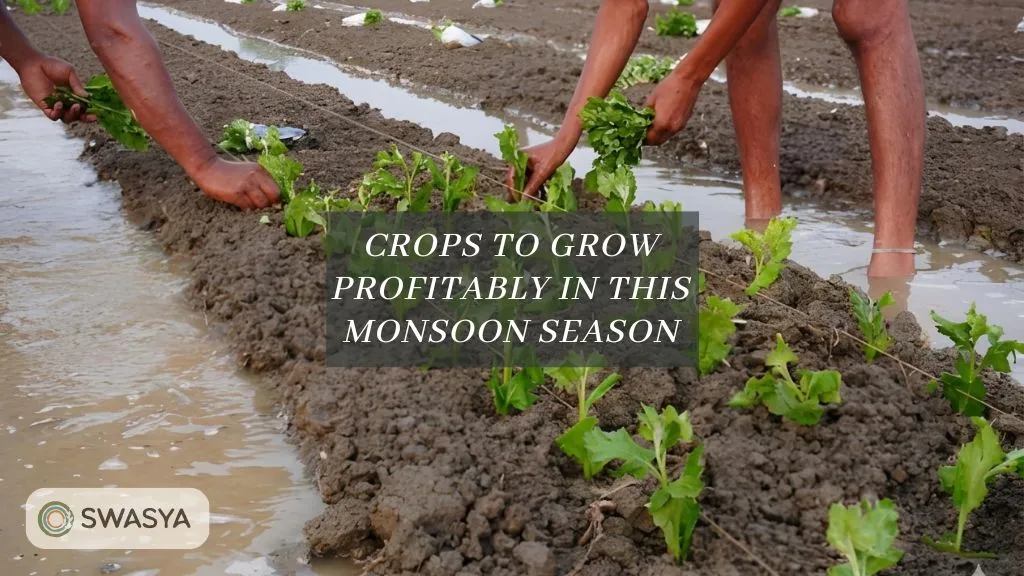
The moment the first grey clouds gather over the horizon and that familiar smell of damp earth hits, every farmer and landowner in India breathes a sigh of relief. The monsoon is more than just a season here; it is the absolute lifeline of our entire agricultural economy.
Running from June to September, this massive weather system single-handedly determines the platform for Kharif crop cultivation by refilling our drying reservoirs and recharging deep soil moisture.
But here’s the trap that trips up so many growers every single year: just because a plant loves water doesn’t mean it can survive a full Indian monsoon.
Whether you are managing massive farmlands, setting up an agroforestry model like we do at Swasya, or just planning a short-term kitchen plot, knowing which crop is grown in rainy season with maximum market demand is the secret to turning heavy rains into heavy profits. Let’s break down the ultimate data-driven blueprint for the upcoming season.
Most Profitable Grains to Grow for this Rainy Season
When looking at the primary staple crops grown in rainy season, grains form the baseline of food security and steady wholesale income. However, they aren't one-size-fits-all.
1. Paddy (Rice)
Rice is the undisputed king of monsoon crops, purely because its early vegetative phase requires a massive, consistent volume of water.
Ideal Soil: Heavy clayey or rich loamy soils that possess a high water-holding capacity (think coastal belts and Eastern India).
Temperature Range: 20 °C to 35 °C.
Pro Tip for Yield: Rice fields benefit massively from a strict fertilizer schedule. Don't just dump urea; utilize water-soluble NPK mixtures balanced with crucial micronutrients like zinc and iron to promote heavy tillering and grain filling.
2. Maize (Corn)
Maize is incredibly popular across central and southern states like Karnataka and Madhya Pradesh because of its triple-market utility: food, animal fodder, and industrial starch.
Ideal Soil: Well-drained loam. Maize loves water but hates waterlogging around its stem base.
Nutrition Secret: It thrives when supplemented with calcium nitrate and boron decahydrate (10.5%). This specific combination strengthens the stalk against high monsoon winds and ensures complete cob development.
Climate Tip: Early sowing right at the turn of the first showers helps the plant bypass early pest cycles, leading to a much higher harvest weight.
What about dry or irregular rainfall zones? If your land is in an area with unpredictable rain graphs, skip the paddy. Look toward deep-rooted crops in rainy season like Jowar (Sorghum) and various Millets. These are naturally drought-resistant, highly nutrient-dense, and guarantee a baseline income even if the monsoon plays hide-and-seek.
High-Value Cash Crops: Pulses, Oilseeds, and Cotton
Grains keep the farm running, but high-value seed plants are where the real profitability lies. These crops grown in rainy season naturally enrich your land while fetching premium market prices.
High-Value Crop | Ideal Soil Type | Optimal Rain Range | Key Nutrient Needs | Major Risk Factor |
Arhar (Toor/Tur) | Deep Black Soil | Medium/Moderate | Phosphorus + 50% Amino Acids | Flower drop during heavy downpours |
Black Gram (Urad) | Moist Loam | Low to Moderate | Bio-fulvic acid | Fungal leaf spots |
Cotton | Black Cotton Soil | 50 - 100 cm | Chelated sprays + Potassium humate | Bollworm infestations |
Groundnut (Peanut) | Sandy Loam | 50 - 75 cm | Humic acid + Trichoderma | Water stagnation / Root rot |
The Legume Advantage: Arhar, Moong, and Urad
Pulses are an absolute goldmine for short-duration farming. Because they are natural legumes, they fix atmospheric nitrogen directly back into the earth, drastically reducing your fertilizer bills for the next crop cycle.
For Arhar (Toor), the key to avoiding flower drop during heavy grey weeks is using phosphorus-rich basal fertilizers mixed with a 50% amino acid spray right before the budding stage. For Black Gram (Urad), applying bio-fulvic acid encourages explosive root absorption even when the soil is completely saturated with water.
Also Read: Best Trees to Plant During Monsoon in India
The Cash Generators: Cotton and Groundnut
Cotton: This commercial giant loves deep black soil. The secret to massive boll formation during humid spells is using silicone-based leafy nutrients and chelated micronutrient sprays. These strengthen the outer shell and prevent the bolls from dropping early.
Groundnut (Peanut): Hugely profitable in states like Gujarat and Tamil Nadu. Always sow peanuts at the absolute start of the rain. Here’s a mistake I see too often: farmers forget to treat the seeds. Always coat your peanut seeds with Trichoderma bio-agents before sowing to completely block out soil-borne fungal attacks.
Monsoon Horticulture: High-Yield Fruits & Vegetables
If you want rapid cash flow with short turnaround times, focusing on vegetables grown in rainy season is your best bet. The humid air acts like a natural greenhouse, causing vines and fruit trees to grow at double speed.
The Best Vegetables Grown in Rainy Season
Bottle Gourd (Lauki): One of the absolute fastest-growing crops in rainy season. To get premium, straight gourds that fetch top market prices, you must use a sturdy trellis system. Apply potassium nitrate and marine algae gel to force rapid vine running and massive female flower production.
Tomatoes: High risk, but incredibly high reward. Monsoon tomatoes are hyper-sensitive to excessive rain and fungal blight. Always grow them on raised beds with drip irrigation lines under the mulch. Use a 60% amino acid leafy feed to keep the plants strong enough to fight off rot.
Bitter Gourd (Karela): A naturally hardy, medicinal vine that thrives in thick humidity. Train them up on vertical trails to keep the fruits off the wet mud. A simple sulphur-based micronutrient spray every two weeks will completely ward off local leaf diseases.
Brinjal (Eggplant): Perfect for both early and late monsoon cycles. To ensure your brinjals have that shiny, firm, market-ready skin and a long shelf-life, treat the soil with a disciplined micronutrient mix and use silicone sprays.
Also Read: Tomato Farming in India
Profitable Fruits to Align with the Monsoon Cycle
While we don't usually link orchard fruits with typical monsoon crops, the rainy season is the most critical period for their primary structural development.
Tropical Zones (Bananas): Bananas love the warm, humid climate of an early monsoon planting. They need immense space, regular moisture, and deep root expansion. At Swasya, we use a specialized blend of marine algae gel, liquid amino acids (40%), and microbial root enhancers. This drastically increases final fruit sizing and gives the trees the structural strength to resist heavy monsoon winds.
High-Altitude Zones (Apples, Almonds, Apricots): In places like Himachal or Jammu & Kashmir, the monsoon rains are incredibly vital for early fruit sizing and kernel development. Farmers should ensure their hillside orchards have immaculate drainage channels and provide regular boron supplementation during the flowering phase to maximize pollination success.
Pro-Level Tactics to Prevent Monsoon Failures
To maximize your returns on crops grown in rainy season, you need a preventive management system rather than a reactive one. When the rains come, you cannot afford to wait.
Comprehensive Soil Testing: Do this before sowing.
Always test your soil pH and organic matter levels before dropping seeds. Heavy rains naturally alter soil acidity and leach away surface nutrients. Knowing your baseline allows for precise, non-wasteful fertilizer placement.
Microbial Seed Treatment: Block fungal attacks early.
Never put raw seeds into monsoon mud. Coat your seeds with Trichoderma or specific bio-fungicides. This simple step cuts down damping-off disease and boosts your germination rates by up to 40%.
Construct Dedicated Drainage Channels: Control the excess water.
Waterlogging is the silent killer of monsoon crops. Build deep exit channels around your fields or use raised-bed farming. If water sits stagnant for more than 48 hours, root rot will set in, and no amount of fertilizer can save the yield.
Timely Inter-Cultivation & Weeding: Prevent resource theft.
Weeds grow at three times their normal speed during the monsoon because of the high moisture and warmth. Perform early, aggressive weeding to ensure your main cash crops don't have to compete for light and soil nutrients.
The Swasya Approach
At Swasya Living, we approach farming as an integrated ecosystem. If you want permanent, long-term income security, you should never rely on just a single crop across your entire acreage.
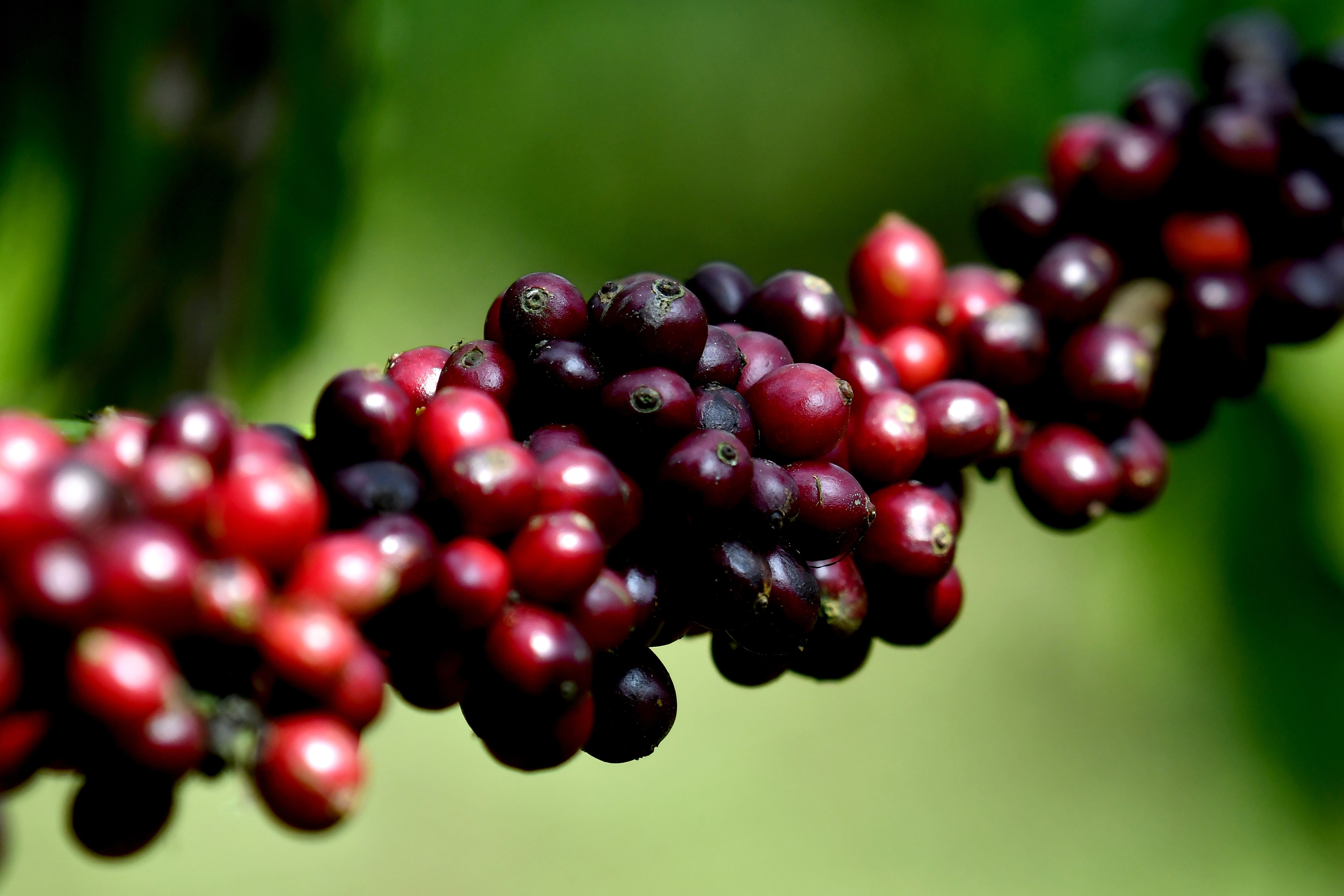
Whether it’s our premium shade-grown coffee estates or our managed farm plots, working with the monsoon rhythm rather than fighting it is what transforms a seasonal harvest into a highly profitable, sustainable asset.
The clouds are rolling in, make sure your soil is prepped, your drainage is clear, and your seeds are ready to capture the gold!
FAQs
1. Which crop is grown in the rainy season across most of India?
Paddy (Rice) is the primary crop grown during the rainy season in India. It is a signature Kharif crop that requires standing water and a hot, humid climate during its early growth stage, making the southwest monsoon from June to September its perfect cultivation window.
2. What are the best vegetables grown in the rainy season for quick profit?
Vining gourds like Bottle Gourd (Lauki) and Bitter Gourd (Karela) are incredibly profitable and grow rapidly in high humidity. Other high-value options include Brinjal (Eggplant) and monsoon-adapted Tomatoes, provided they are grown on raised beds to protect them from root rot.
3. How do farmers protect monsoon crops from heavy waterlogging?
The most effective way to protect crops in the rainy season from stagnant water is by constructing deep drainage channels around the fields and practicing raised-bed farming.
4. Why are pulses like Arhar and Urad highly recommended as monsoon crops?
Pulses are natural leguminous plants, meaning they capture nitrogen from the air and fix it back into the earth. Growing them during the monsoon not only yields a high-market-value cash crop but also naturally improves soil fertility for the upcoming winter (Rabi) cycle.
5. Can I grow commercial cash crops like Groundnut during high rainfall?
Yes, but soil selection is key. Groundnut (Peanut) thrives in the monsoon but requires well-drained, sandy loam soil. To prevent soil-borne fungal attacks caused by heavy rains, always treat the seeds with a bio-fungicide like Trichoderma before sowing.
The moment the first grey clouds gather over the horizon and that familiar smell of damp earth hits, every farmer and landowner in India breathes a sigh of relief. The monsoon is more than just a season here; it is the absolute lifeline of our entire agricultural economy.
Running from June to September, this massive weather system single-handedly determines the platform for Kharif crop cultivation by refilling our drying reservoirs and recharging deep soil moisture.
But here’s the trap that trips up so many growers every single year: just because a plant loves water doesn’t mean it can survive a full Indian monsoon.
Whether you are managing massive farmlands, setting up an agroforestry model like we do at Swasya, or just planning a short-term kitchen plot, knowing which crop is grown in rainy season with maximum market demand is the secret to turning heavy rains into heavy profits. Let’s break down the ultimate data-driven blueprint for the upcoming season.
Most Profitable Grains to Grow for this Rainy Season
When looking at the primary staple crops grown in rainy season, grains form the baseline of food security and steady wholesale income. However, they aren't one-size-fits-all.
1. Paddy (Rice)
Rice is the undisputed king of monsoon crops, purely because its early vegetative phase requires a massive, consistent volume of water.
Ideal Soil: Heavy clayey or rich loamy soils that possess a high water-holding capacity (think coastal belts and Eastern India).
Temperature Range: 20 °C to 35 °C.
Pro Tip for Yield: Rice fields benefit massively from a strict fertilizer schedule. Don't just dump urea; utilize water-soluble NPK mixtures balanced with crucial micronutrients like zinc and iron to promote heavy tillering and grain filling.
2. Maize (Corn)
Maize is incredibly popular across central and southern states like Karnataka and Madhya Pradesh because of its triple-market utility: food, animal fodder, and industrial starch.
Ideal Soil: Well-drained loam. Maize loves water but hates waterlogging around its stem base.
Nutrition Secret: It thrives when supplemented with calcium nitrate and boron decahydrate (10.5%). This specific combination strengthens the stalk against high monsoon winds and ensures complete cob development.
Climate Tip: Early sowing right at the turn of the first showers helps the plant bypass early pest cycles, leading to a much higher harvest weight.
What about dry or irregular rainfall zones? If your land is in an area with unpredictable rain graphs, skip the paddy. Look toward deep-rooted crops in rainy season like Jowar (Sorghum) and various Millets. These are naturally drought-resistant, highly nutrient-dense, and guarantee a baseline income even if the monsoon plays hide-and-seek.
High-Value Cash Crops: Pulses, Oilseeds, and Cotton
Grains keep the farm running, but high-value seed plants are where the real profitability lies. These crops grown in rainy season naturally enrich your land while fetching premium market prices.
High-Value Crop | Ideal Soil Type | Optimal Rain Range | Key Nutrient Needs | Major Risk Factor |
Arhar (Toor/Tur) | Deep Black Soil | Medium/Moderate | Phosphorus + 50% Amino Acids | Flower drop during heavy downpours |
Black Gram (Urad) | Moist Loam | Low to Moderate | Bio-fulvic acid | Fungal leaf spots |
Cotton | Black Cotton Soil | 50 - 100 cm | Chelated sprays + Potassium humate | Bollworm infestations |
Groundnut (Peanut) | Sandy Loam | 50 - 75 cm | Humic acid + Trichoderma | Water stagnation / Root rot |
The Legume Advantage: Arhar, Moong, and Urad
Pulses are an absolute goldmine for short-duration farming. Because they are natural legumes, they fix atmospheric nitrogen directly back into the earth, drastically reducing your fertilizer bills for the next crop cycle.
For Arhar (Toor), the key to avoiding flower drop during heavy grey weeks is using phosphorus-rich basal fertilizers mixed with a 50% amino acid spray right before the budding stage. For Black Gram (Urad), applying bio-fulvic acid encourages explosive root absorption even when the soil is completely saturated with water.
Also Read: Best Trees to Plant During Monsoon in India
The Cash Generators: Cotton and Groundnut
Cotton: This commercial giant loves deep black soil. The secret to massive boll formation during humid spells is using silicone-based leafy nutrients and chelated micronutrient sprays. These strengthen the outer shell and prevent the bolls from dropping early.
Groundnut (Peanut): Hugely profitable in states like Gujarat and Tamil Nadu. Always sow peanuts at the absolute start of the rain. Here’s a mistake I see too often: farmers forget to treat the seeds. Always coat your peanut seeds with Trichoderma bio-agents before sowing to completely block out soil-borne fungal attacks.
Monsoon Horticulture: High-Yield Fruits & Vegetables
If you want rapid cash flow with short turnaround times, focusing on vegetables grown in rainy season is your best bet. The humid air acts like a natural greenhouse, causing vines and fruit trees to grow at double speed.
The Best Vegetables Grown in Rainy Season
Bottle Gourd (Lauki): One of the absolute fastest-growing crops in rainy season. To get premium, straight gourds that fetch top market prices, you must use a sturdy trellis system. Apply potassium nitrate and marine algae gel to force rapid vine running and massive female flower production.
Tomatoes: High risk, but incredibly high reward. Monsoon tomatoes are hyper-sensitive to excessive rain and fungal blight. Always grow them on raised beds with drip irrigation lines under the mulch. Use a 60% amino acid leafy feed to keep the plants strong enough to fight off rot.
Bitter Gourd (Karela): A naturally hardy, medicinal vine that thrives in thick humidity. Train them up on vertical trails to keep the fruits off the wet mud. A simple sulphur-based micronutrient spray every two weeks will completely ward off local leaf diseases.
Brinjal (Eggplant): Perfect for both early and late monsoon cycles. To ensure your brinjals have that shiny, firm, market-ready skin and a long shelf-life, treat the soil with a disciplined micronutrient mix and use silicone sprays.
Also Read: Tomato Farming in India
Profitable Fruits to Align with the Monsoon Cycle
While we don't usually link orchard fruits with typical monsoon crops, the rainy season is the most critical period for their primary structural development.
Tropical Zones (Bananas): Bananas love the warm, humid climate of an early monsoon planting. They need immense space, regular moisture, and deep root expansion. At Swasya, we use a specialized blend of marine algae gel, liquid amino acids (40%), and microbial root enhancers. This drastically increases final fruit sizing and gives the trees the structural strength to resist heavy monsoon winds.
High-Altitude Zones (Apples, Almonds, Apricots): In places like Himachal or Jammu & Kashmir, the monsoon rains are incredibly vital for early fruit sizing and kernel development. Farmers should ensure their hillside orchards have immaculate drainage channels and provide regular boron supplementation during the flowering phase to maximize pollination success.
Pro-Level Tactics to Prevent Monsoon Failures
To maximize your returns on crops grown in rainy season, you need a preventive management system rather than a reactive one. When the rains come, you cannot afford to wait.
Comprehensive Soil Testing: Do this before sowing.
Always test your soil pH and organic matter levels before dropping seeds. Heavy rains naturally alter soil acidity and leach away surface nutrients. Knowing your baseline allows for precise, non-wasteful fertilizer placement.
Microbial Seed Treatment: Block fungal attacks early.
Never put raw seeds into monsoon mud. Coat your seeds with Trichoderma or specific bio-fungicides. This simple step cuts down damping-off disease and boosts your germination rates by up to 40%.
Construct Dedicated Drainage Channels: Control the excess water.
Waterlogging is the silent killer of monsoon crops. Build deep exit channels around your fields or use raised-bed farming. If water sits stagnant for more than 48 hours, root rot will set in, and no amount of fertilizer can save the yield.
Timely Inter-Cultivation & Weeding: Prevent resource theft.
Weeds grow at three times their normal speed during the monsoon because of the high moisture and warmth. Perform early, aggressive weeding to ensure your main cash crops don't have to compete for light and soil nutrients.
The Swasya Approach
At Swasya Living, we approach farming as an integrated ecosystem. If you want permanent, long-term income security, you should never rely on just a single crop across your entire acreage.
Whether it’s our premium shade-grown coffee estates or our managed farm plots, working with the monsoon rhythm rather than fighting it is what transforms a seasonal harvest into a highly profitable, sustainable asset.
The clouds are rolling in, make sure your soil is prepped, your drainage is clear, and your seeds are ready to capture the gold!
FAQs
1. Which crop is grown in the rainy season across most of India?
Paddy (Rice) is the primary crop grown during the rainy season in India. It is a signature Kharif crop that requires standing water and a hot, humid climate during its early growth stage, making the southwest monsoon from June to September its perfect cultivation window.
2. What are the best vegetables grown in the rainy season for quick profit?
Vining gourds like Bottle Gourd (Lauki) and Bitter Gourd (Karela) are incredibly profitable and grow rapidly in high humidity. Other high-value options include Brinjal (Eggplant) and monsoon-adapted Tomatoes, provided they are grown on raised beds to protect them from root rot.
3. How do farmers protect monsoon crops from heavy waterlogging?
The most effective way to protect crops in the rainy season from stagnant water is by constructing deep drainage channels around the fields and practicing raised-bed farming.
4. Why are pulses like Arhar and Urad highly recommended as monsoon crops?
Pulses are natural leguminous plants, meaning they capture nitrogen from the air and fix it back into the earth. Growing them during the monsoon not only yields a high-market-value cash crop but also naturally improves soil fertility for the upcoming winter (Rabi) cycle.
5. Can I grow commercial cash crops like Groundnut during high rainfall?
Yes, but soil selection is key. Groundnut (Peanut) thrives in the monsoon but requires well-drained, sandy loam soil. To prevent soil-borne fungal attacks caused by heavy rains, always treat the seeds with a bio-fungicide like Trichoderma before sowing.
Akshata
You Might Also Like




Subscribe to the Swasya
newsletter
Discover insights about sustainable farming, investment opportunities, and the future of agriculture.
By subscribing, you agree to the Privacy Policy
Subscribe to the Swasya
newsletter
Discover insights about sustainable farming, investment opportunities, and the future of agriculture.
By subscribing, you agree to the Privacy Policy