Farming
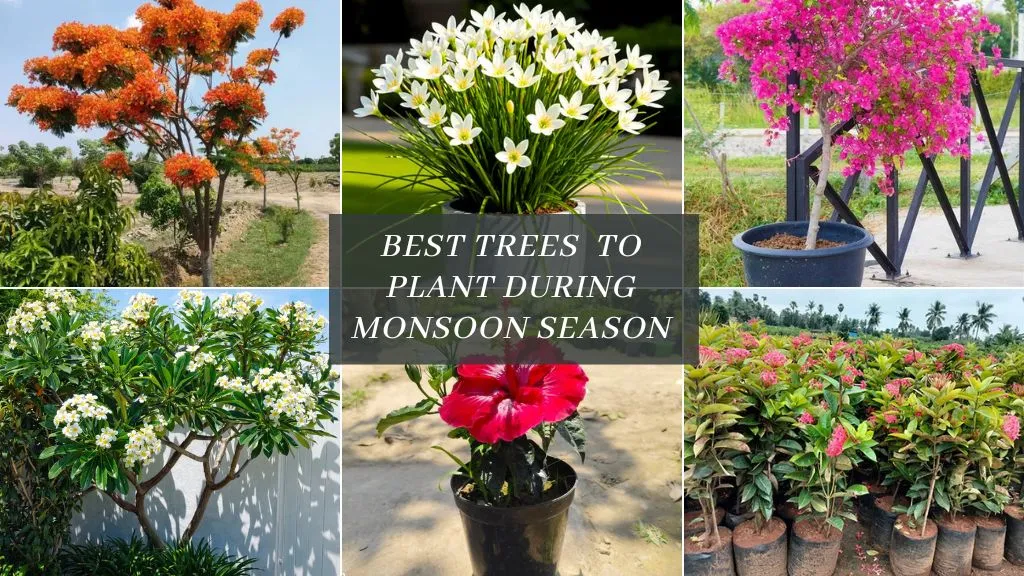
Best Trees & Plants to Plant During Monsoon in India
28 May 2026
I don’t know about you, but the moment that first downpour hits the ground and that petrichor smell fills the air, my hands instantly start itching to garden. Here in Bangalore, the summers have been getting so intense lately that when the rains finally arrive, it feels like a collective exhale from the entire city.
But if you’ve ever planted a gorgeous sapling in July only to see it turn yellow and rot by August, you know that monsoon gardening isn't just about letting nature do the watering. It’s a literal balancing act. At Swasya, we spend months preparing our managed farmlands for the heavy downpours because if you choose the wrong species or mess up the drainage, the rain will work against you instead of for you.
Let's break down exactly how to pick the right rainy season plants and monsoon trees so your space thrives instead of rots.
Understanding Monsoon Gardening : What Plants Grow Well in Monsoon Season?
There’s an old saying among traditional Indian farmers that most land plants love "wet feet but dry ankles." This means they want their roots to access moisture, but they cannot tolerate standing, stagnant water around their stems or trunks.
In the plains of India, it never just rains, it pours. This sudden volume of water can quickly compress your soil, wash away valuable topsoil nutrients, and choke the oxygen right out of the root zones.
When you're choosing a rain season plant or establishing larger trees in rainy season, you have to balance four core factors:
Soil Flushing: Rain naturally leaches nutrients down past the root zone, but the cool, humid weather also opens up plant pores. It’s the perfect time to top-dress with organic vermicompost.
The Light Deficit: Cloudy days mean less photosynthesis. If you keep succulents or cacti outdoors, move them under a temporary shed or balcony cover immediately.
Wind Shear: Monsoon storms bring heavy gusts. Young saplings and tall flowering shrubs need stakes before the first big storm hits.
Fungal Pressures: High humidity + stagnant air = a playground for powdery mildew and root rot. Spacing your plants out is critical.
Also Read: Best Summer Flowering Plants to Grow in India
Top 10 Monsoon Plants & Trees to Grow in India
If you want guaranteed success, you need to plant species that look at a heavy downpour and say, "Is that all you've got?" Here are the best monsoon plants and trees to introduce to your estate, backyard, or balcony this season.
1. Gulmohar (Delonix regia)
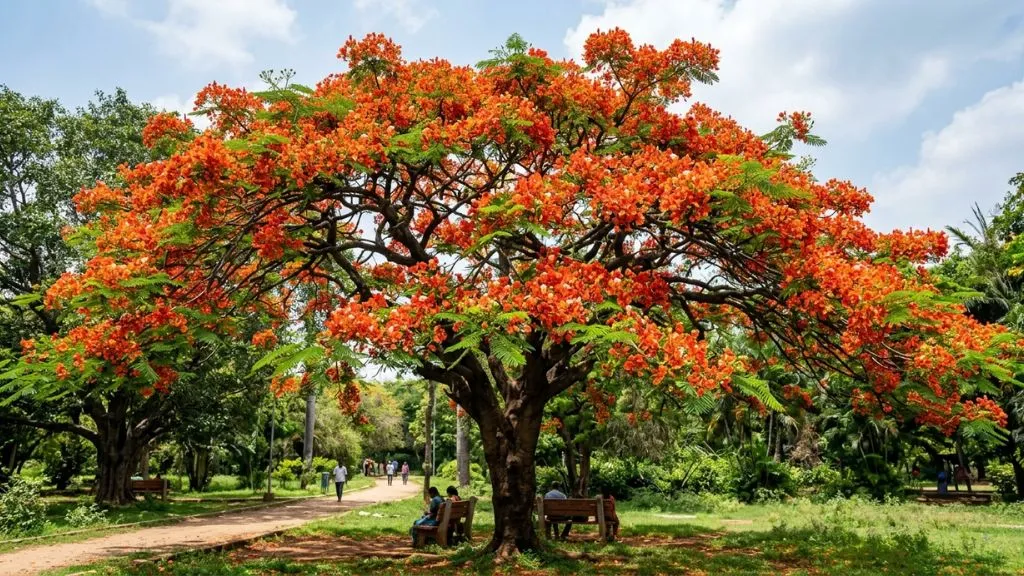
The ultimate monsoon trees superstar. While it starts its show in late summer, it absolutely thrives once the rains hit. It’s a fast grower that provides incredible canopy shade and holds the soil together beautifully during heavy downpours.
Best for: Large gardens, farm borders, and avenues.
2. Plumeria (Frangipani)
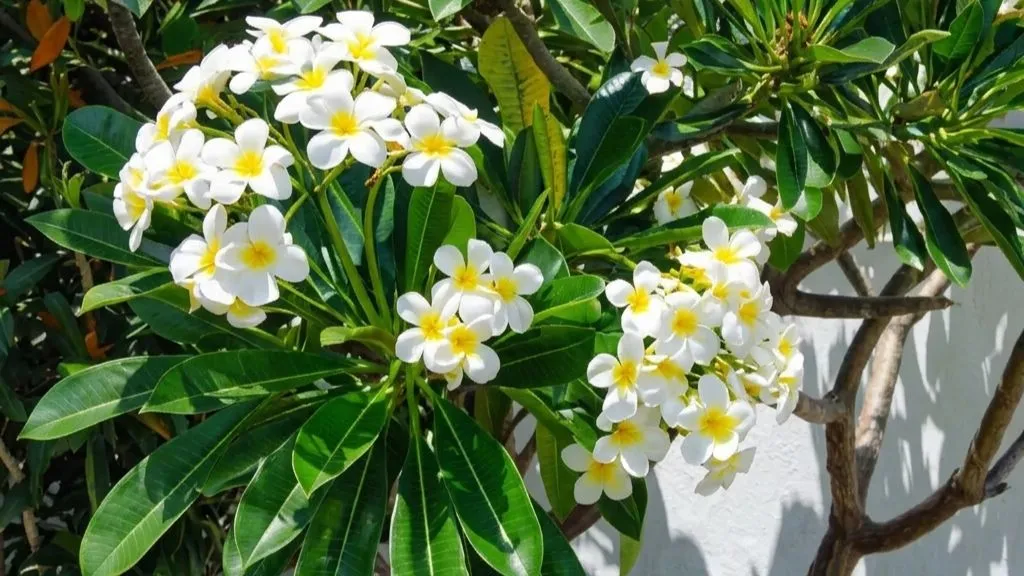
If you want the smell of rain mixed with divine fragrance, this is your go-to rain season plant. Plumerias actually prefer rain-soaked, well-draining soil and will bloom continuously from June all the way through November.
3. Ixora (Jungle Geranium)
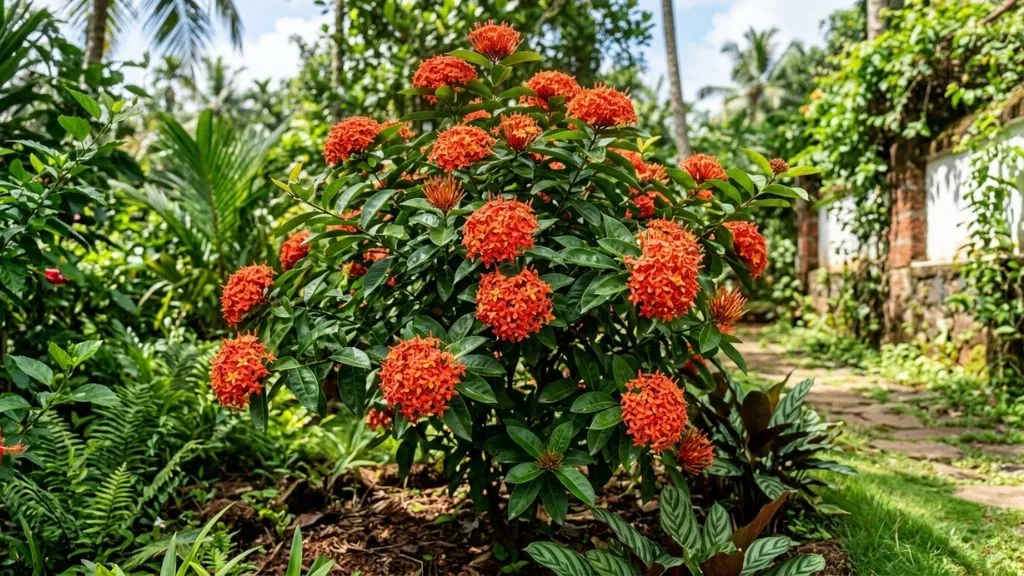
A compact flowering shrub that produces massive clusters of red, orange, or yellow flowers. It absolutely adores high humidity, making it one of the most reliable rainy season plants for terrace pots and borders.
4. Bougainvillea
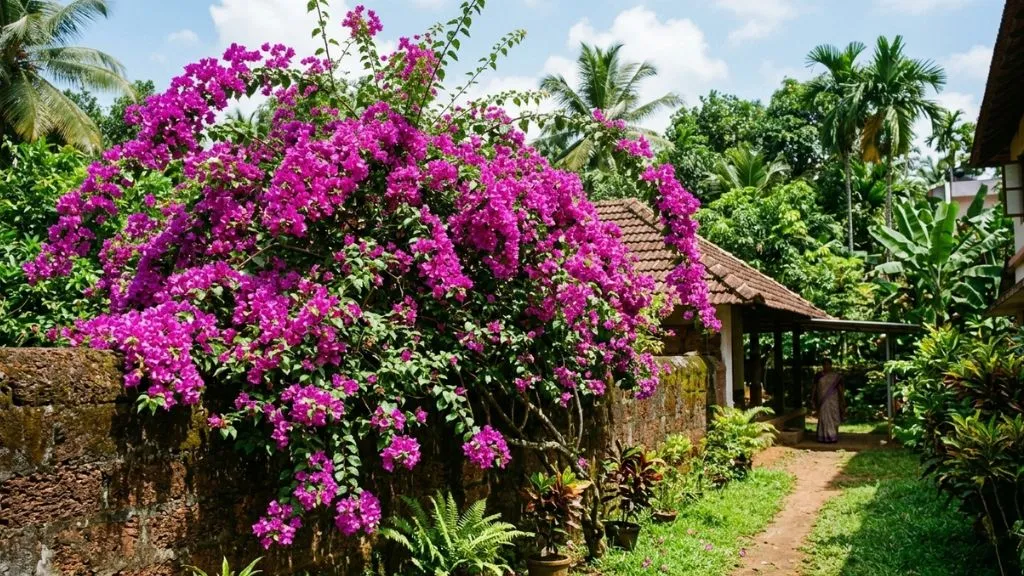
Hehe, I know what you’re thinking, isn't Bougainvillea a summer plant? Yes, but if you establish them using the monsoon moisture, their root systems lock deep into the ground. Once settled, they create a colorful explosion along fences and pergolas.
5. Rain Lily (Zephyranthes)
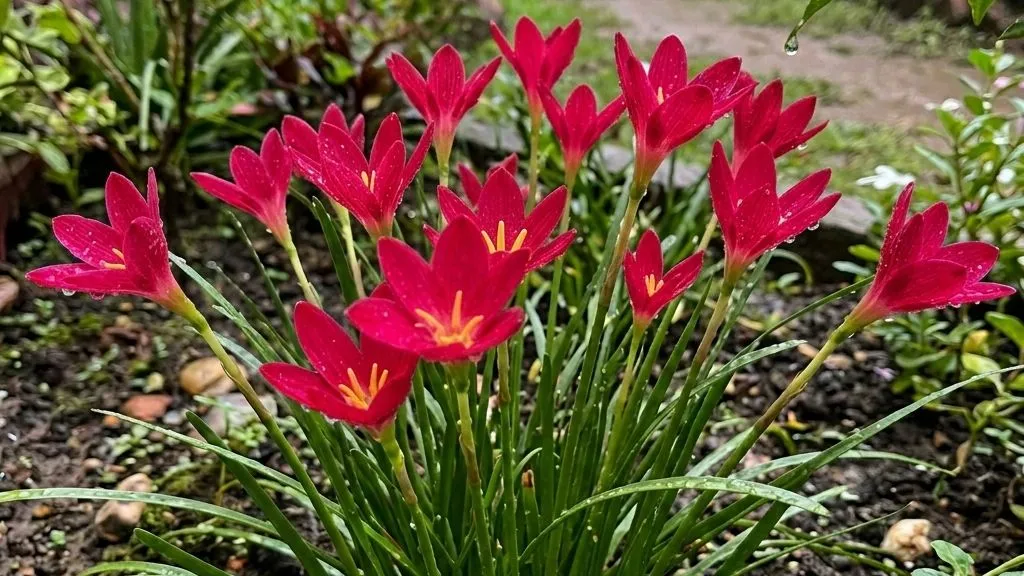
The name says it all. These dainty little bulbs stay completely hidden until a heavy shower triggers them. Within 48 hours of a good downpour, they carpet your garden beds in shades of pink, white, and yellow. They are the definition of a low-maintenance rain season plant.
6. Neem (Azadirachta indica)
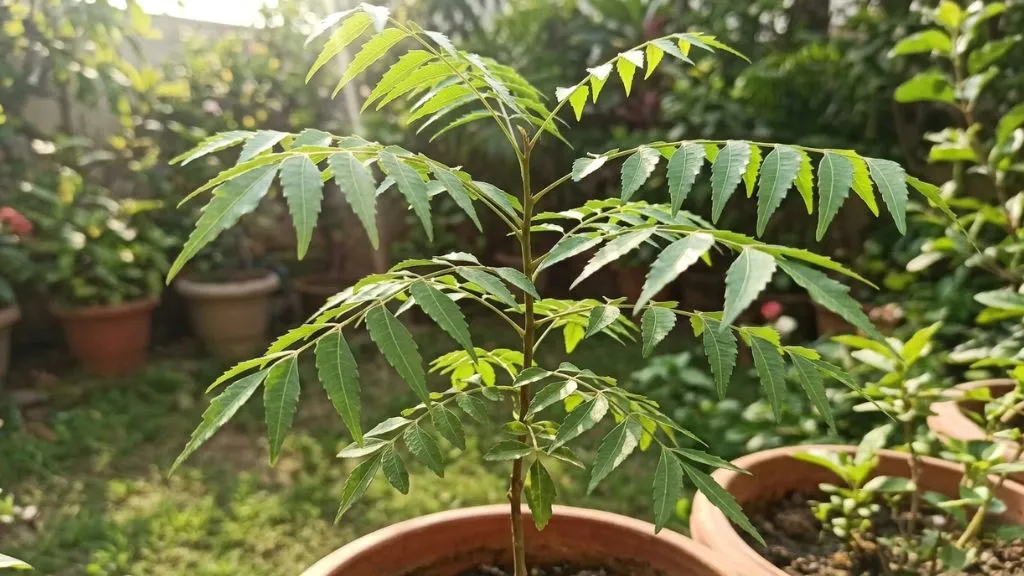
Planting trees in rainy season like Neem ensures a near-100% survival rate without you needing to water them daily. The monsoon moisture helps the young sapling establish its taproot deep into the earth before the dry winter months arrive.
7. Hibiscus (China Rose)
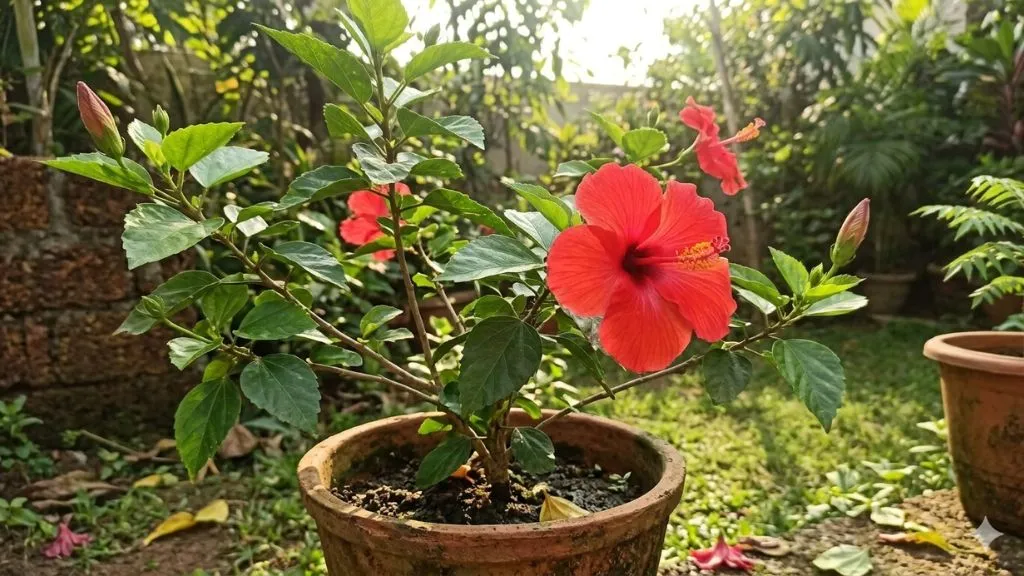
A staple in every Indian household. Hibiscus shrubs love the extra nitrogen that rainwater brings, responding with massive, trumpet-shaped blooms. Just ensure you add a layer of organic compost around the base to feed those heavy bursts of flowers.
8. Tecoma (Yellow Bells)
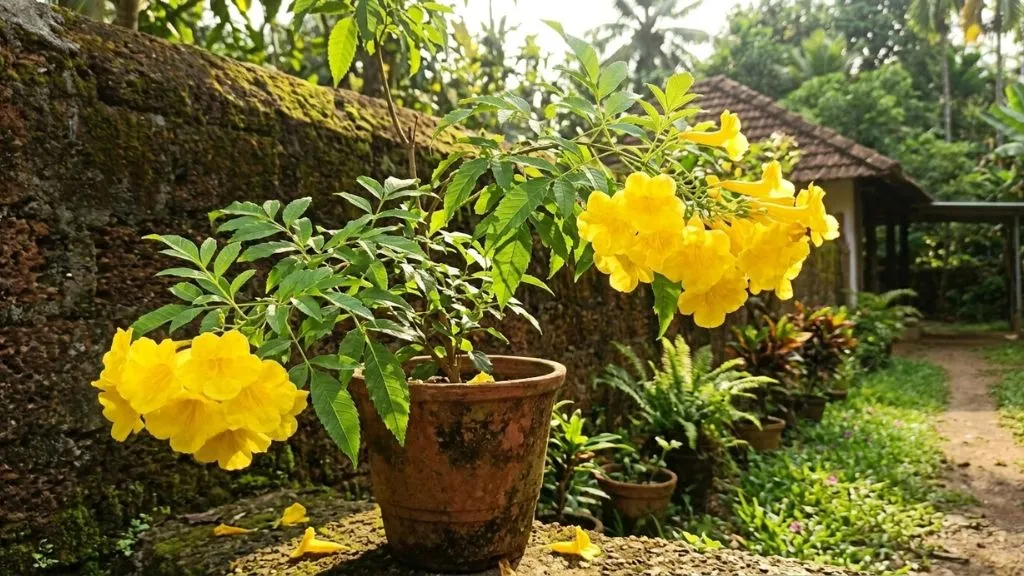
This hardy shrub plant brings bright sunshine-yellow blooms to otherwise gloomy, overcast days. It handles heavy rain beautifully and works perfectly as a living green hedge or border partition.
9. Colocasia (Taro Plant)
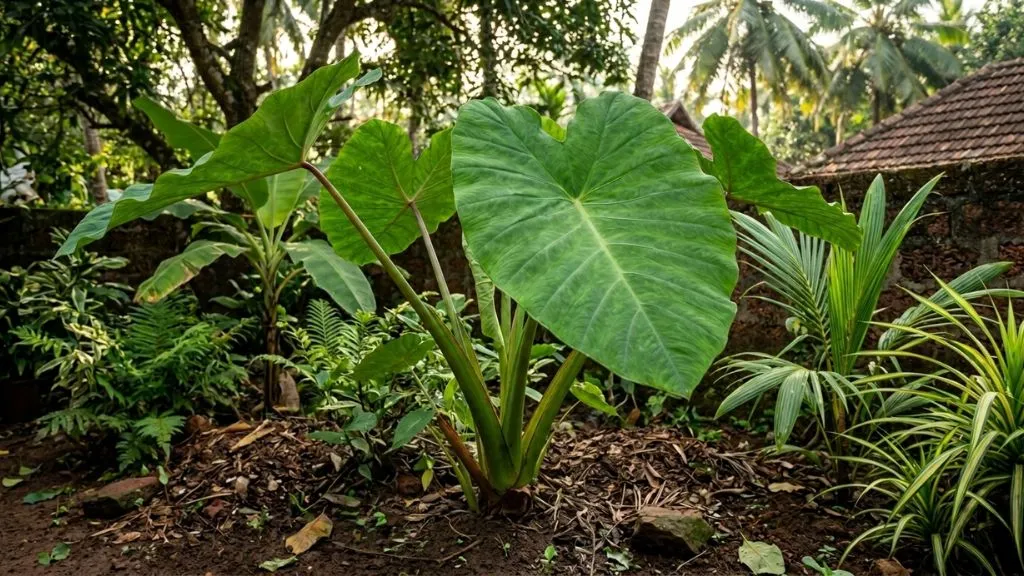
If you want that lush, "tropical jungle" look on your farm or shaded balcony, Colocasia is a must-have monsoon plants option. Its massive elephant-ear leaves love wet, damp patches where other plants might get root rot.
10. Money Plant (Pothos) & Monstera
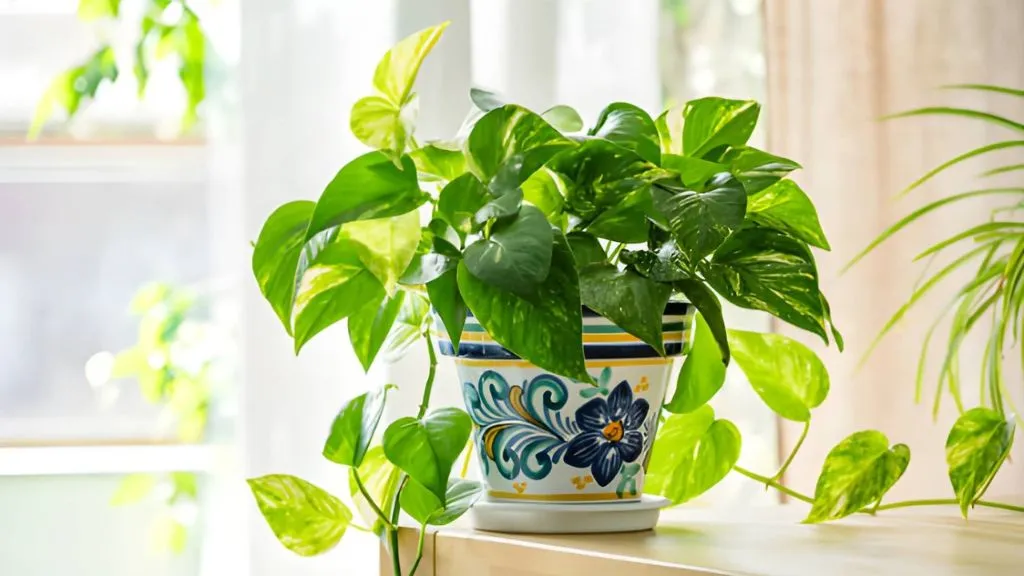
Your indoor favorites love a good monsoon vacation. Moving your money plants or Monsteras out onto a semi-covered balcony during a gentle rain will wash away months of indoor dust and trigger a massive growth spurt within days.
The Vegetable Planter’s Monsoon Blueprint
If you’re looking to grow food instead of just ornamental greenery, the rainy season is highly rewarding if you use raised beds or deep grow bags. Never sow seeds in low-lying ground where water collects!
Here is a quick-reference guide for sowing your kitchen garden this season:
Vegetable | Sowing Period (North) | Sowing Period (South) | Ideal Pot Depth | Harvest Time |
Okra (Bhindi) | June - Sept | May - August | 12 inches | 45-60 Days |
Cucumber (Kheera) | June - August | May - July | 12 inches (Needs Trellis) | 45-55 Days |
Bitter Gourd (Karela) | June - August | May - July | 12 inches | 50-60 Days |
Brinjal (Eggplant) | July - Sept | June - August | 14 inches | 60-75 Days |
Spinach (Palak) | July - Sept | June - August | Shallow wide trays | 30-40 Days |
Essential Care Tactics for the Rainy Season
To keep your rainy season plants and newly planted monsoon trees from succumbing to the typical seasonal traps, follow this simple checklist:
1.Check the Drainage Holes:Before the heavy rains.
Take a stick or trowel and clear out the bottom holes of all your pots. If the soil has compacted into a clay brick, water will pool inside and kill the roots in less than a week.
2.Elevate Your Pots:Avoid ground pooling.
Place your containers on pot stands or bricks. If a pot sits directly on a flat balcony floor or terrace surface, it will suck back up the dirty, stagnant water pooling on the ground.
3.Apply a Organic Fungicide:Prevention over cure.
Mix 5ml of pure neem oil in a liter of water and spray your foliage once every two weeks. This creates a natural barrier against black spots and powdery mildew caused by high humidity.
4.Stop the Watering Routine:Daily observation.
Put away the watering can. Only water manually if the top two inches of soil feel completely bone-dry to the touch. If the leaves are upright and crisp, leave them alone!
A Note on Soil Preparation: Before you drop any new rain season plant into the ground, mix your native soil with 30% coarse sand and 20% well-rotted cow dung or leaf compost. The sand ensures the monsoon water moves through the soil rather than sitting in it.
The Swasya View
At Swasya Living, we don’t just look at the monsoon as a season; we look at it as our primary tool for ecological restoration. When we plant trees in rainy season across our managed coffee estates and farmlands, we are deliberately building multi-tiered canopies.
By combining towering monsoon trees like Gulmohar and Neem with shade-loving undergrowth like Colocasia and local herbs, we mimic a natural rainforest floor. This multi-layered approach prevents the heavy rains from eroding our rich topsoil, ensuring that our organic pepper, and shade-grown coffee can thrive year after year without chemical interventions.
When you plant the right trees now, you aren’t just creating a pretty sight for this year’s rains, you are setting up an underground water-recharge system that will keep your land fertile for decades.
So, pop on your rainboots, clear out those drainage trays, and let's get planting. The clouds are rolling in, and your garden is waiting!
FAQs
1: Which are the best rainy season plants to grow on a balcony in India?
The absolute best rainy season plants for small spaces and balconies are Rain Lilies (Zephyranthes), Ixora, Jasmine, and Adeniums. If you want lush greenery, tropical monsoon plants like the Money Plant (Pothos), Syngonium, and various ferns absolutely love the natural ambient humidity of the wet months.
2: Why are my monsoon plants turning yellow and drooping?
This is the number one blunder we humans make! Yellowing, mushy leaves during the rains almost always mean your soil is waterlogged and the roots are drowning. When a rain season plant sits in stagnant water, it experiences a total oxygen block. Stop watering manually, move your sensitive pots onto elevated brick stands, and clear any clogged drainage paths immediately.
3: What are the fastest-growing monsoon trees to plant on farms or large plots?
If you want deep canopy growth, the best monsoon trees to plant are Gulmohar (Flame Tree), Neem, Kadam, and Indian Rosewood.
4: Can we keep indoor houseplants outside in the rain season plant transition?
Yes, but only for short, controlled breaks! Moving tropical indoor favorites like Monsteras, Areca Palms, and Philodendrons out into a gentle downpour is like a premium spa day for them. The rain washes off accumulated dust, opens their pores, and spurs fresh green shoots.
5: How do I protect my outdoor trees in rainy season from strong winds?
Young saplings and tall flowering shrubs are highly vulnerable to breaking during sudden monsoon drafts. For newly planted monsoon trees or delicate bushes like Bougainvillea, always install strong bamboo or wooden stakes before the heavy weather system hits. Secure the main trunk gently to the stake using a thick jute rope to allow minimal natural sway without snapping.
6: Should I fertilize my garden during the peak monsoon season?
Skip the chemical, water-soluble fertilizers completely because the heavy downpours will just wash them away into the groundwater! Instead, treat your monsoon plants to a light top-dressing of organic matter like vermicompost or well-aged cow dung powder. Since the humid weather opens up the feeding pores of a rain season plant, they will steadily and safely absorb these organic nutrients.
I don’t know about you, but the moment that first downpour hits the ground and that petrichor smell fills the air, my hands instantly start itching to garden. Here in Bangalore, the summers have been getting so intense lately that when the rains finally arrive, it feels like a collective exhale from the entire city.
But if you’ve ever planted a gorgeous sapling in July only to see it turn yellow and rot by August, you know that monsoon gardening isn't just about letting nature do the watering. It’s a literal balancing act. At Swasya, we spend months preparing our managed farmlands for the heavy downpours because if you choose the wrong species or mess up the drainage, the rain will work against you instead of for you.
Let's break down exactly how to pick the right rainy season plants and monsoon trees so your space thrives instead of rots.
Understanding Monsoon Gardening : What Plants Grow Well in Monsoon Season?
There’s an old saying among traditional Indian farmers that most land plants love "wet feet but dry ankles." This means they want their roots to access moisture, but they cannot tolerate standing, stagnant water around their stems or trunks.
In the plains of India, it never just rains, it pours. This sudden volume of water can quickly compress your soil, wash away valuable topsoil nutrients, and choke the oxygen right out of the root zones.
When you're choosing a rain season plant or establishing larger trees in rainy season, you have to balance four core factors:
Soil Flushing: Rain naturally leaches nutrients down past the root zone, but the cool, humid weather also opens up plant pores. It’s the perfect time to top-dress with organic vermicompost.
The Light Deficit: Cloudy days mean less photosynthesis. If you keep succulents or cacti outdoors, move them under a temporary shed or balcony cover immediately.
Wind Shear: Monsoon storms bring heavy gusts. Young saplings and tall flowering shrubs need stakes before the first big storm hits.
Fungal Pressures: High humidity + stagnant air = a playground for powdery mildew and root rot. Spacing your plants out is critical.
Also Read: Best Summer Flowering Plants to Grow in India
Top 10 Monsoon Plants & Trees to Grow in India
If you want guaranteed success, you need to plant species that look at a heavy downpour and say, "Is that all you've got?" Here are the best monsoon plants and trees to introduce to your estate, backyard, or balcony this season.
1. Gulmohar (Delonix regia)
The ultimate monsoon trees superstar. While it starts its show in late summer, it absolutely thrives once the rains hit. It’s a fast grower that provides incredible canopy shade and holds the soil together beautifully during heavy downpours.
Best for: Large gardens, farm borders, and avenues.
2. Plumeria (Frangipani)
If you want the smell of rain mixed with divine fragrance, this is your go-to rain season plant. Plumerias actually prefer rain-soaked, well-draining soil and will bloom continuously from June all the way through November.
3. Ixora (Jungle Geranium)
A compact flowering shrub that produces massive clusters of red, orange, or yellow flowers. It absolutely adores high humidity, making it one of the most reliable rainy season plants for terrace pots and borders.
4. Bougainvillea
Hehe, I know what you’re thinking, isn't Bougainvillea a summer plant? Yes, but if you establish them using the monsoon moisture, their root systems lock deep into the ground. Once settled, they create a colorful explosion along fences and pergolas.
5. Rain Lily (Zephyranthes)
The name says it all. These dainty little bulbs stay completely hidden until a heavy shower triggers them. Within 48 hours of a good downpour, they carpet your garden beds in shades of pink, white, and yellow. They are the definition of a low-maintenance rain season plant.
6. Neem (Azadirachta indica)
Planting trees in rainy season like Neem ensures a near-100% survival rate without you needing to water them daily. The monsoon moisture helps the young sapling establish its taproot deep into the earth before the dry winter months arrive.
7. Hibiscus (China Rose)
A staple in every Indian household. Hibiscus shrubs love the extra nitrogen that rainwater brings, responding with massive, trumpet-shaped blooms. Just ensure you add a layer of organic compost around the base to feed those heavy bursts of flowers.
8. Tecoma (Yellow Bells)
This hardy shrub plant brings bright sunshine-yellow blooms to otherwise gloomy, overcast days. It handles heavy rain beautifully and works perfectly as a living green hedge or border partition.
9. Colocasia (Taro Plant)
If you want that lush, "tropical jungle" look on your farm or shaded balcony, Colocasia is a must-have monsoon plants option. Its massive elephant-ear leaves love wet, damp patches where other plants might get root rot.
10. Money Plant (Pothos) & Monstera
Your indoor favorites love a good monsoon vacation. Moving your money plants or Monsteras out onto a semi-covered balcony during a gentle rain will wash away months of indoor dust and trigger a massive growth spurt within days.
The Vegetable Planter’s Monsoon Blueprint
If you’re looking to grow food instead of just ornamental greenery, the rainy season is highly rewarding if you use raised beds or deep grow bags. Never sow seeds in low-lying ground where water collects!
Here is a quick-reference guide for sowing your kitchen garden this season:
Vegetable | Sowing Period (North) | Sowing Period (South) | Ideal Pot Depth | Harvest Time |
Okra (Bhindi) | June - Sept | May - August | 12 inches | 45-60 Days |
Cucumber (Kheera) | June - August | May - July | 12 inches (Needs Trellis) | 45-55 Days |
Bitter Gourd (Karela) | June - August | May - July | 12 inches | 50-60 Days |
Brinjal (Eggplant) | July - Sept | June - August | 14 inches | 60-75 Days |
Spinach (Palak) | July - Sept | June - August | Shallow wide trays | 30-40 Days |
Essential Care Tactics for the Rainy Season
To keep your rainy season plants and newly planted monsoon trees from succumbing to the typical seasonal traps, follow this simple checklist:
1.Check the Drainage Holes:Before the heavy rains.
Take a stick or trowel and clear out the bottom holes of all your pots. If the soil has compacted into a clay brick, water will pool inside and kill the roots in less than a week.
2.Elevate Your Pots:Avoid ground pooling.
Place your containers on pot stands or bricks. If a pot sits directly on a flat balcony floor or terrace surface, it will suck back up the dirty, stagnant water pooling on the ground.
3.Apply a Organic Fungicide:Prevention over cure.
Mix 5ml of pure neem oil in a liter of water and spray your foliage once every two weeks. This creates a natural barrier against black spots and powdery mildew caused by high humidity.
4.Stop the Watering Routine:Daily observation.
Put away the watering can. Only water manually if the top two inches of soil feel completely bone-dry to the touch. If the leaves are upright and crisp, leave them alone!
A Note on Soil Preparation: Before you drop any new rain season plant into the ground, mix your native soil with 30% coarse sand and 20% well-rotted cow dung or leaf compost. The sand ensures the monsoon water moves through the soil rather than sitting in it.
The Swasya View
At Swasya Living, we don’t just look at the monsoon as a season; we look at it as our primary tool for ecological restoration. When we plant trees in rainy season across our managed coffee estates and farmlands, we are deliberately building multi-tiered canopies.
By combining towering monsoon trees like Gulmohar and Neem with shade-loving undergrowth like Colocasia and local herbs, we mimic a natural rainforest floor. This multi-layered approach prevents the heavy rains from eroding our rich topsoil, ensuring that our organic pepper, and shade-grown coffee can thrive year after year without chemical interventions.
When you plant the right trees now, you aren’t just creating a pretty sight for this year’s rains, you are setting up an underground water-recharge system that will keep your land fertile for decades.
So, pop on your rainboots, clear out those drainage trays, and let's get planting. The clouds are rolling in, and your garden is waiting!
FAQs
1: Which are the best rainy season plants to grow on a balcony in India?
The absolute best rainy season plants for small spaces and balconies are Rain Lilies (Zephyranthes), Ixora, Jasmine, and Adeniums. If you want lush greenery, tropical monsoon plants like the Money Plant (Pothos), Syngonium, and various ferns absolutely love the natural ambient humidity of the wet months.
2: Why are my monsoon plants turning yellow and drooping?
This is the number one blunder we humans make! Yellowing, mushy leaves during the rains almost always mean your soil is waterlogged and the roots are drowning. When a rain season plant sits in stagnant water, it experiences a total oxygen block. Stop watering manually, move your sensitive pots onto elevated brick stands, and clear any clogged drainage paths immediately.
3: What are the fastest-growing monsoon trees to plant on farms or large plots?
If you want deep canopy growth, the best monsoon trees to plant are Gulmohar (Flame Tree), Neem, Kadam, and Indian Rosewood.
4: Can we keep indoor houseplants outside in the rain season plant transition?
Yes, but only for short, controlled breaks! Moving tropical indoor favorites like Monsteras, Areca Palms, and Philodendrons out into a gentle downpour is like a premium spa day for them. The rain washes off accumulated dust, opens their pores, and spurs fresh green shoots.
5: How do I protect my outdoor trees in rainy season from strong winds?
Young saplings and tall flowering shrubs are highly vulnerable to breaking during sudden monsoon drafts. For newly planted monsoon trees or delicate bushes like Bougainvillea, always install strong bamboo or wooden stakes before the heavy weather system hits. Secure the main trunk gently to the stake using a thick jute rope to allow minimal natural sway without snapping.
6: Should I fertilize my garden during the peak monsoon season?
Skip the chemical, water-soluble fertilizers completely because the heavy downpours will just wash them away into the groundwater! Instead, treat your monsoon plants to a light top-dressing of organic matter like vermicompost or well-aged cow dung powder. Since the humid weather opens up the feeding pores of a rain season plant, they will steadily and safely absorb these organic nutrients.
Akshata
You Might Also Like




Subscribe to the Swasya
newsletter
Discover insights about sustainable farming, investment opportunities, and the future of agriculture.
By subscribing, you agree to the Privacy Policy
Subscribe to the Swasya
newsletter
Discover insights about sustainable farming, investment opportunities, and the future of agriculture.
By subscribing, you agree to the Privacy Policy