Farming
Coffee Estate Buying Guide in Karnataka: Checklist & Common Mistakes 2026
29 Jun 2026
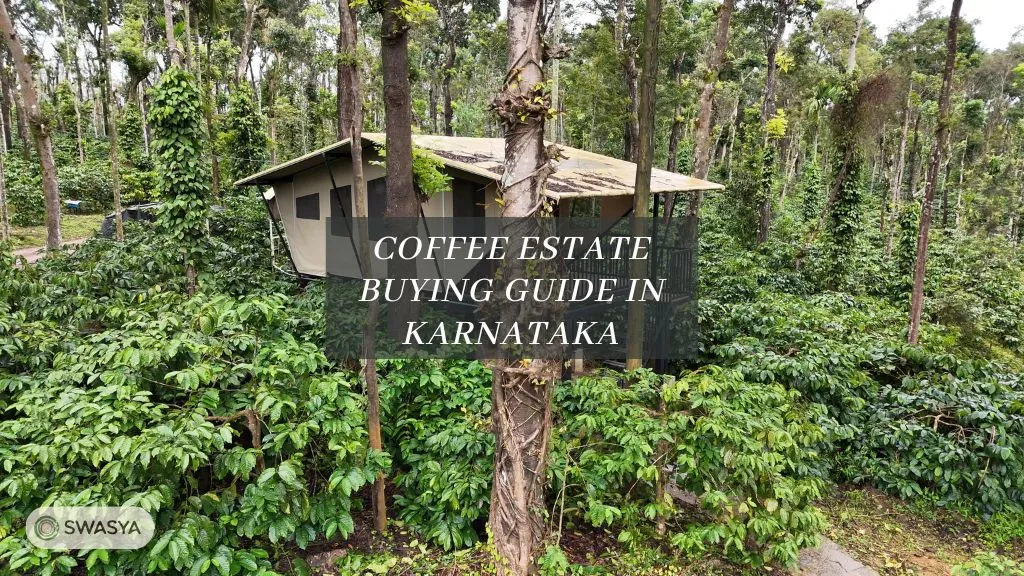
Almost every single one of us working a high-stress corporate job in Bangalore has scrolled through property sites late at night. Looking at a gorgeous picture of a mist-covered plantation and thinking, "Man, I should just buy a coffee estate." It sounds like the ultimate dream lifestyle, waking up to the smell of fresh Arabica beans, chirping birds, and cool mountain air. Plus, with land prices shooting up, buying agriculture land in karnataka feels like a rock-solid investment for the future, right?
But here is where things get tricky. Buying a running plantation is completely different from buying a standard residential plot or an apartment in Whitefield. It is a living, breathing ecosystem. If you don't know what to look for, that peaceful weekend retreat can quickly turn into an expensive, stressful headache.
Whether you are looking at a coffee estates in sakleshpur or browsing options for a coffee estate for sale in coorg, here is your honest blueprint to make sure your investment is a smart one.
How to Choose the Right Coffee Estate Investment Strategy
Before you start driving down highway roads for site visits, you need to ask yourself one major question: Why am I actually buying this land? Generally, most buyers we meet at Swasya fall into one of three buckets, and the "perfect property" changes completely based on your answer:
The Yield & Income Focus: You want a serious commercial asset. You care about crop history, plant age, water networks, and annual labor availability.
The Lifestyle & Farmhouse Dream: You just want a gorgeous weekend getaway. Your main priorities are great approach roads, panoramic mountain views, electricity, and privacy.
The Homestay / Resort Project: You want a commercial hospitality venture. This means you need wider approach roads for guest vehicles, commercial zoning feasibility, and massive water sustainability.
5 Essential Things to Check Before Buying a Coffee Estate in Karnataka
When you start looking at a coffee estate for sale, it is incredibly easy to get distracted by how beautiful and green everything looks. But you need to look past the scenery and evaluate the fundamentals.
Why Water Availability Is Critical for Coffee Estate Investments
Water is the absolute heartbeat of any plantation. A seller might show you a massive pump house, but you need to see it working. Ask the caretaker to switch on the motor. Check the actual water flow rate. Is the stream or pond perennial, or does it dry up completely by March?
Location, Accessibility, and Elevation: Key Factors for Coffee Estate Buyers
Sakleshpur and Coorg have stunning terrains, but high altitude can mean tricky roads. If the last 500 meters leading to the gate is a steep, muddy track, it might look adventurous in summer, but it will become an absolute nightmare during heavy monsoons. Ensure the estate has solid, all-weather approach roads.
Also, a quick insider tip: try to avoid estates that sit right next to heavy tarmac highways. Coffee flowers are surprisingly sensitive to automobile pollution, which can take a hit on your annual crop yield.
How to Evaluate Coffee Plantation Health and Crop Productivity
A hillside can look perfectly lush and green while hiding poor plant health. You need to know what variety is planted. Arabica usually fetches premium prices but is highly sensitive to pests like the white stem borer. Robusta is tougher and handles climate variations better. Check the age of the blocks, are the plants young and peaking, or are they old bushes that need expensive replanting?
Why Shade Trees and Intercrops Matter in Coffee Estates
High-quality coffee needs a perfect balance of shade. If the canopy is too dense, the plants don't get enough sunlight to produce fruit. If it's too thin, the bushes get scorched. Look out for valuable intercrops like black pepper vines climbing up the shade trees or silver oak timber. These add an excellent secondary layer of revenue to your estate.
Labor Availability and Estate Management Considerations
A farm cannot run via a remote control app from Bangalore. You need reliable on-ground hands. Does the property have functional labor quarters or a caretaker cottage? Is seasonal labor easy to find nearby during the intense winter harvesting months?
Legal Checklist for Buying Coffee Estates in Karnataka
You can fix a bad crop, but you cannot fix a bad legal title. When you are exploring any land for sale in sakleshpur or Coorg, your legal paperwork must match the exact ground reality.
Here is your essential document checklist:
Latest RTC / Pahani: Confirms the current ownership records and land classification.
Mutation Extract (MR): Shows the history of how the property changed hands over the years.
Encumbrance Certificate (EC): Ensures there are no active bank bank loans, liens, or legal liabilities on the land.
Official Survey Sketch / Map: Crucial for verifying exact boundary lines.
Why Physical Boundary Verification Is Essential?
Don't just look at maps from the comfort of a car. Put on a pair of sturdy boots and physically walk the entire boundary fence line. Confirm the corner stones and make sure there are no hidden encroachment risks or local villager path disputes.
Why Swasya Living is the Smart Way to Own an Estate
At Swasya Living, we designed our projects because we love nature, but we also understand that city professionals don't have the time to become full-time farmers overnight. We wanted to make owning a piece of the Western Ghats completely stress-free.
When you invest in a plot within a community like Sannidhi Ecofarms, our premium property in sakleshpur, you get the absolute best of both worlds. You get a secure, legally registered asset with clear titles. But you don't have to worry about pest control, pruning cycles, or managing labor.
Our professional, hands-on agricultural management team runs the entire coffee estate seamlessly in the background. Meanwhile, we build out world-class luxury lifestyle amenities, eco-clubhouses, and wellness trails so that when you drive down for the weekend, your only job is to sit back, breathe the fresh mountain air, and watch your legacy green asset grow.
FAQs
1. What is the main difference between Arabica and Robusta coffee plants?
Arabica grows best at higher elevations (above 3,500 feet), offers a delicate aromatic flavor, and commands higher market prices, but it requires meticulous care and pest monitoring. Robusta grows beautifully at lower altitudes, is highly resilient against diseases, and produces a much stronger, bolder flavor with higher caffeine content.
2. Can a non-agriculturalist legally buy a coffee estate in Karnataka?
Yes, absolutely! Following the major amendments to the Karnataka Land Reforms Act, the old restrictions that prevented non-agriculturalists from purchasing farming land have been removed. Any Indian citizen can now legally purchase and register a plantation asset.
3. How often do coffee crops harvest, and when is the season?
Coffee is a seasonal crop harvested once a year. The picking season usually begins around November and runs through February, depending on the weather and whether you are harvesting Arabica (which matures faster) or Robusta.
Almost every single one of us working a high-stress corporate job in Bangalore has scrolled through property sites late at night. Looking at a gorgeous picture of a mist-covered plantation and thinking, "Man, I should just buy a coffee estate." It sounds like the ultimate dream lifestyle, waking up to the smell of fresh Arabica beans, chirping birds, and cool mountain air. Plus, with land prices shooting up, buying agriculture land in karnataka feels like a rock-solid investment for the future, right?
But here is where things get tricky. Buying a running plantation is completely different from buying a standard residential plot or an apartment in Whitefield. It is a living, breathing ecosystem. If you don't know what to look for, that peaceful weekend retreat can quickly turn into an expensive, stressful headache.
Whether you are looking at a coffee estates in sakleshpur or browsing options for a coffee estate for sale in coorg, here is your honest blueprint to make sure your investment is a smart one.
How to Choose the Right Coffee Estate Investment Strategy
Before you start driving down highway roads for site visits, you need to ask yourself one major question: Why am I actually buying this land? Generally, most buyers we meet at Swasya fall into one of three buckets, and the "perfect property" changes completely based on your answer:
The Yield & Income Focus: You want a serious commercial asset. You care about crop history, plant age, water networks, and annual labor availability.
The Lifestyle & Farmhouse Dream: You just want a gorgeous weekend getaway. Your main priorities are great approach roads, panoramic mountain views, electricity, and privacy.
The Homestay / Resort Project: You want a commercial hospitality venture. This means you need wider approach roads for guest vehicles, commercial zoning feasibility, and massive water sustainability.
5 Essential Things to Check Before Buying a Coffee Estate in Karnataka
When you start looking at a coffee estate for sale, it is incredibly easy to get distracted by how beautiful and green everything looks. But you need to look past the scenery and evaluate the fundamentals.
Why Water Availability Is Critical for Coffee Estate Investments
Water is the absolute heartbeat of any plantation. A seller might show you a massive pump house, but you need to see it working. Ask the caretaker to switch on the motor. Check the actual water flow rate. Is the stream or pond perennial, or does it dry up completely by March?
Location, Accessibility, and Elevation: Key Factors for Coffee Estate Buyers
Sakleshpur and Coorg have stunning terrains, but high altitude can mean tricky roads. If the last 500 meters leading to the gate is a steep, muddy track, it might look adventurous in summer, but it will become an absolute nightmare during heavy monsoons. Ensure the estate has solid, all-weather approach roads.
Also, a quick insider tip: try to avoid estates that sit right next to heavy tarmac highways. Coffee flowers are surprisingly sensitive to automobile pollution, which can take a hit on your annual crop yield.
How to Evaluate Coffee Plantation Health and Crop Productivity
A hillside can look perfectly lush and green while hiding poor plant health. You need to know what variety is planted. Arabica usually fetches premium prices but is highly sensitive to pests like the white stem borer. Robusta is tougher and handles climate variations better. Check the age of the blocks, are the plants young and peaking, or are they old bushes that need expensive replanting?
Why Shade Trees and Intercrops Matter in Coffee Estates
High-quality coffee needs a perfect balance of shade. If the canopy is too dense, the plants don't get enough sunlight to produce fruit. If it's too thin, the bushes get scorched. Look out for valuable intercrops like black pepper vines climbing up the shade trees or silver oak timber. These add an excellent secondary layer of revenue to your estate.
Labor Availability and Estate Management Considerations
A farm cannot run via a remote control app from Bangalore. You need reliable on-ground hands. Does the property have functional labor quarters or a caretaker cottage? Is seasonal labor easy to find nearby during the intense winter harvesting months?
Legal Checklist for Buying Coffee Estates in Karnataka
You can fix a bad crop, but you cannot fix a bad legal title. When you are exploring any land for sale in sakleshpur or Coorg, your legal paperwork must match the exact ground reality.
Here is your essential document checklist:
Latest RTC / Pahani: Confirms the current ownership records and land classification.
Mutation Extract (MR): Shows the history of how the property changed hands over the years.
Encumbrance Certificate (EC): Ensures there are no active bank bank loans, liens, or legal liabilities on the land.
Official Survey Sketch / Map: Crucial for verifying exact boundary lines.
Why Physical Boundary Verification Is Essential?
Don't just look at maps from the comfort of a car. Put on a pair of sturdy boots and physically walk the entire boundary fence line. Confirm the corner stones and make sure there are no hidden encroachment risks or local villager path disputes.
Why Swasya Living is the Smart Way to Own an Estate
At Swasya Living, we designed our projects because we love nature, but we also understand that city professionals don't have the time to become full-time farmers overnight. We wanted to make owning a piece of the Western Ghats completely stress-free.
When you invest in a plot within a community like Sannidhi Ecofarms, our premium property in sakleshpur, you get the absolute best of both worlds. You get a secure, legally registered asset with clear titles. But you don't have to worry about pest control, pruning cycles, or managing labor.
Our professional, hands-on agricultural management team runs the entire coffee estate seamlessly in the background. Meanwhile, we build out world-class luxury lifestyle amenities, eco-clubhouses, and wellness trails so that when you drive down for the weekend, your only job is to sit back, breathe the fresh mountain air, and watch your legacy green asset grow.
FAQs
1. What is the main difference between Arabica and Robusta coffee plants?
Arabica grows best at higher elevations (above 3,500 feet), offers a delicate aromatic flavor, and commands higher market prices, but it requires meticulous care and pest monitoring. Robusta grows beautifully at lower altitudes, is highly resilient against diseases, and produces a much stronger, bolder flavor with higher caffeine content.
2. Can a non-agriculturalist legally buy a coffee estate in Karnataka?
Yes, absolutely! Following the major amendments to the Karnataka Land Reforms Act, the old restrictions that prevented non-agriculturalists from purchasing farming land have been removed. Any Indian citizen can now legally purchase and register a plantation asset.
3. How often do coffee crops harvest, and when is the season?
Coffee is a seasonal crop harvested once a year. The picking season usually begins around November and runs through February, depending on the weather and whether you are harvesting Arabica (which matures faster) or Robusta.
Akshata
You Might Also Like




Subscribe to the Swasya
newsletter
Discover insights about sustainable farming, investment opportunities, and the future of agriculture.
By subscribing, you agree to the Privacy Policy
Subscribe to the Swasya
newsletter
Discover insights about sustainable farming, investment opportunities, and the future of agriculture.
By subscribing, you agree to the Privacy Policy