Farming
What are Kharif Crops? Definition, Season, Examples & Importance
18 Jan 2026
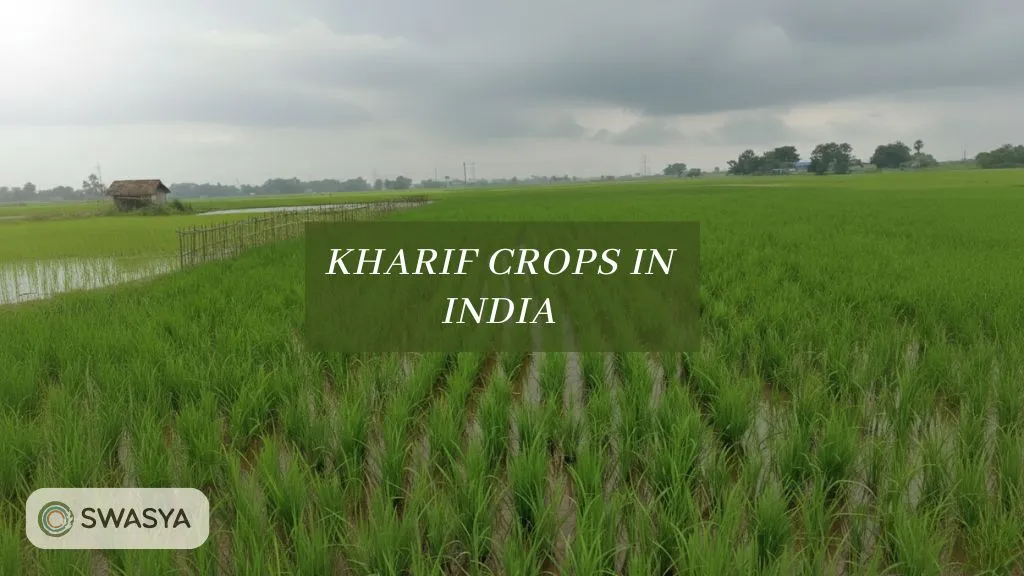
Kharif crops are the crops grown during the monsoon season. They are sown when the rains arrive, usually around June or July, and depend heavily on rainfall to grow. Think rice, maize, cotton, pulses: these are classic kharif crops examples we see every day, especially in India. The kharif crops meaning goes beyond farming though. It’s about food security, farmer livelihoods, and the rhythm of rural life that follows the season of kharif crops year after year.
What Is the Kharif Season in India?
The season of kharif crops begins with the southwest monsoon. Usually June to October. Farmers wait for those first proper rains before sowing, because kharif crops depend more on rainfall than irrigation. This is where the kharif crops meaning becomes very real.
Good rains mean healthy crops, weak monsoons mean stress. People often ask when are kharif crops harvested? Most are harvested between September and October, once the rains slow down. This season decides food supply, prices, and farmer income across India. One good monsoon can literally change everything.
Major Kharif Crops Examples Grown in India
When people ask for kharif crops examples, these are the names that come up again and again. Because they’re everywhere around us, on our plates and in our markets.
Category | Examples |
Cereals | Rice (Paddy), Maize (Corn), Jowar (Sorghum), Bajra (Pearl Millet) |
Pulses | Arhar (Pigeon Pea), Moong (Green Gram), Urad (Black Gram) |
Oilseeds | Soybean, Groundnut, Sesame (Til), Sunflower |
Fiber/Cash Crops | Cotton, Jute, Sugarcane |
Vegetables | Lady's finger (Okra), Brinjal, Tomato, Turmeric |
These kharif crops examples show how diverse the season of kharif crops really is. Food, fibre, oil… all covered in one monsoon cycle.
Season of Kharif Crops: Sowing & Harvesting Time Explained
The season of kharif crops follows the rhythm of the monsoon. No fancy calendars here, farmers look at the sky first.
Sowing usually starts in June or early July, just after the first good monsoon showers. Too early, and seeds dry out. Too late, and yields suffer. That timing matters a lot.
So, when are kharif crops harvested?
Most kharif crops are harvested between September and October, once the rains slow down and the fields dry a bit. Rice may go a little later in some regions, but the idea stays the same.
This sowing-to-harvest window defines the season of kharif crops and shapes how millions of farmers plan their year.
Key Challenges Faced in Kharif Farming
Despite being the backbone of the agricultural economy, Kharif cultivation faces several critical hurdles:
Monsoon Dependency: Over 60% of Indian farmland is rain-fed. If the monsoon is delayed, scanty, or inconsistent, it can lead to massive crop failure.
Waterlogging and Floods: While these crops love water, excessive rainfall can lead to waterlogging in low-lying fields, rotting the roots and destroying the harvest.
Pests and Diseases: The high humidity and warm temperatures of the monsoon provide a breeding ground for pests (like stem borers in paddy) and fungal diseases (like leaf spot or blight).
Climate Change: Erratic weather patterns, such as sudden "dry spells" in the middle of the monsoon or unseasonal heavy rains during the harvesting stage, have become more frequent.
Input Accessibility: Small farmers often struggle to access high-quality, climate-resilient seeds and fertilizers at the right time.
Difference Between Kharif and Rabi Crops
Feature | Kharif Crops | Rabi Crops |
Season | Monsoon (Summer) | Winter |
Sowing | June - July | October - November |
Harvesting | September - October | March - April |
Rainfall | High dependency on monsoon | Low dependency; relies on irrigation |
Digital Interventions: How Technology Is Helping Kharif Farmers Today
Farming isn’t just about gut feeling anymore. Slowly, tech is stepping into the fields and honestly, it’s helping. For kharif crops, where timing and rain matter a lot, digital tools are becoming a real support system.
Weather apps now give short-term rainfall alerts, so farmers can plan sowing better. Mobile advisories share updates on pest attacks, seed selection, and fertilizer use. Even satellite-based crop monitoring is helping spot stress early. Some farmers I’ve spoken to say a simple WhatsApp advisory saved an entire crop cycle.
It’s not perfect yet. Network issues, awareness gaps still there. But digital farming is no longer “future talk.” It’s already quietly changing how kharif farming works on the ground.
Importance of Kharif Crops in India’s Economy
Kharif crops aren’t just food on our plates. they’re a backbone for millions of farmers and the country’s economy. Crops like rice, maize, cotton, and soy not only feed local communities but also contribute heavily to exports.
Take rice, for example. It’s grown on millions of hectares during the season of kharif crops, supporting rural livelihoods and keeping grain markets steady. Cotton and soy help the textile and oil industries, creating jobs far beyond the farm.
From my experience visiting farms in Karnataka, seeing kharif crops sway in monsoon winds makes you realize, they’re not just plants, they’re economic engines. Proper management and sustainable practices can amplify this impact even more.
Modern Farming Solutions for Kharif Crops
Farming kharif crops today isn’t just about waiting for the rains. Farmers are turning to modern techniques to handle unpredictability and improve yields. Digital advisories, weather apps, and precision farming tools help monitor soil, water, and crop health in real time.
Seed companies now provide high-yield, disease-resistant varieties, and drip or sprinkler irrigation ensures water isn’t wasted, even if monsoons are delayed. From my own visits to farms in Sakleshpur and Coorg, I’ve seen farmers combining traditional knowledge with tech like sowing rice after checking rainfall predictions or using mobile alerts for pest control. This mix makes kharif farming smarter and more resilient.
Conclusion
Kharif crops are more than just plants, they’re the lifeline of millions of farmers and a backbone of India’s food system. From rice and maize to cotton and pulses, these crops feed communities, support livelihoods, and shape rural economies. Sure, the monsoon brings its challenges, but the rewards are equally immense.
At Swasya Living, we see firsthand how understanding the kharif crops season, choosing the right seeds, and adopting sustainable practices can make farming both productive and fulfilling. Whether you’re growing for home, profit, or community, kharif crops remain an incredible part of India’s agricultural story.
FAQs
1: What are Kharif crops?
Kharif crops are the ones sown with the arrival of monsoon, usually in June-July, and harvested around September-October. Think rice, maize, cotton, basically the crops that love rain!
2: Can you give some Kharif crops examples?
Sure! Rice, maize, soybean, cotton, and pulses like moong and urad are all popular Kharif crops.
3: When are Kharif crops harvested?
Most Kharif crops are ready to harvest in September or October, depending on the crop and rainfall.
4: What is the season of Kharif crops?
The Kharif season aligns with the monsoon: hot, wet, and perfect for these water-loving crops.
5: What is the meaning of Kharif crops?
Simply put, Kharif crops are monsoon-season crops they rely on rain and warm weather to grow well.
Kharif crops are the crops grown during the monsoon season. They are sown when the rains arrive, usually around June or July, and depend heavily on rainfall to grow. Think rice, maize, cotton, pulses: these are classic kharif crops examples we see every day, especially in India. The kharif crops meaning goes beyond farming though. It’s about food security, farmer livelihoods, and the rhythm of rural life that follows the season of kharif crops year after year.
What Is the Kharif Season in India?
The season of kharif crops begins with the southwest monsoon. Usually June to October. Farmers wait for those first proper rains before sowing, because kharif crops depend more on rainfall than irrigation. This is where the kharif crops meaning becomes very real.
Good rains mean healthy crops, weak monsoons mean stress. People often ask when are kharif crops harvested? Most are harvested between September and October, once the rains slow down. This season decides food supply, prices, and farmer income across India. One good monsoon can literally change everything.
Major Kharif Crops Examples Grown in India
When people ask for kharif crops examples, these are the names that come up again and again. Because they’re everywhere around us, on our plates and in our markets.
Category | Examples |
Cereals | Rice (Paddy), Maize (Corn), Jowar (Sorghum), Bajra (Pearl Millet) |
Pulses | Arhar (Pigeon Pea), Moong (Green Gram), Urad (Black Gram) |
Oilseeds | Soybean, Groundnut, Sesame (Til), Sunflower |
Fiber/Cash Crops | Cotton, Jute, Sugarcane |
Vegetables | Lady's finger (Okra), Brinjal, Tomato, Turmeric |
These kharif crops examples show how diverse the season of kharif crops really is. Food, fibre, oil… all covered in one monsoon cycle.
Season of Kharif Crops: Sowing & Harvesting Time Explained
The season of kharif crops follows the rhythm of the monsoon. No fancy calendars here, farmers look at the sky first.
Sowing usually starts in June or early July, just after the first good monsoon showers. Too early, and seeds dry out. Too late, and yields suffer. That timing matters a lot.
So, when are kharif crops harvested?
Most kharif crops are harvested between September and October, once the rains slow down and the fields dry a bit. Rice may go a little later in some regions, but the idea stays the same.
This sowing-to-harvest window defines the season of kharif crops and shapes how millions of farmers plan their year.
Key Challenges Faced in Kharif Farming
Despite being the backbone of the agricultural economy, Kharif cultivation faces several critical hurdles:
Monsoon Dependency: Over 60% of Indian farmland is rain-fed. If the monsoon is delayed, scanty, or inconsistent, it can lead to massive crop failure.
Waterlogging and Floods: While these crops love water, excessive rainfall can lead to waterlogging in low-lying fields, rotting the roots and destroying the harvest.
Pests and Diseases: The high humidity and warm temperatures of the monsoon provide a breeding ground for pests (like stem borers in paddy) and fungal diseases (like leaf spot or blight).
Climate Change: Erratic weather patterns, such as sudden "dry spells" in the middle of the monsoon or unseasonal heavy rains during the harvesting stage, have become more frequent.
Input Accessibility: Small farmers often struggle to access high-quality, climate-resilient seeds and fertilizers at the right time.
Difference Between Kharif and Rabi Crops
Feature | Kharif Crops | Rabi Crops |
Season | Monsoon (Summer) | Winter |
Sowing | June - July | October - November |
Harvesting | September - October | March - April |
Rainfall | High dependency on monsoon | Low dependency; relies on irrigation |
Digital Interventions: How Technology Is Helping Kharif Farmers Today
Farming isn’t just about gut feeling anymore. Slowly, tech is stepping into the fields and honestly, it’s helping. For kharif crops, where timing and rain matter a lot, digital tools are becoming a real support system.
Weather apps now give short-term rainfall alerts, so farmers can plan sowing better. Mobile advisories share updates on pest attacks, seed selection, and fertilizer use. Even satellite-based crop monitoring is helping spot stress early. Some farmers I’ve spoken to say a simple WhatsApp advisory saved an entire crop cycle.
It’s not perfect yet. Network issues, awareness gaps still there. But digital farming is no longer “future talk.” It’s already quietly changing how kharif farming works on the ground.
Importance of Kharif Crops in India’s Economy
Kharif crops aren’t just food on our plates. they’re a backbone for millions of farmers and the country’s economy. Crops like rice, maize, cotton, and soy not only feed local communities but also contribute heavily to exports.
Take rice, for example. It’s grown on millions of hectares during the season of kharif crops, supporting rural livelihoods and keeping grain markets steady. Cotton and soy help the textile and oil industries, creating jobs far beyond the farm.
From my experience visiting farms in Karnataka, seeing kharif crops sway in monsoon winds makes you realize, they’re not just plants, they’re economic engines. Proper management and sustainable practices can amplify this impact even more.
Modern Farming Solutions for Kharif Crops
Farming kharif crops today isn’t just about waiting for the rains. Farmers are turning to modern techniques to handle unpredictability and improve yields. Digital advisories, weather apps, and precision farming tools help monitor soil, water, and crop health in real time.
Seed companies now provide high-yield, disease-resistant varieties, and drip or sprinkler irrigation ensures water isn’t wasted, even if monsoons are delayed. From my own visits to farms in Sakleshpur and Coorg, I’ve seen farmers combining traditional knowledge with tech like sowing rice after checking rainfall predictions or using mobile alerts for pest control. This mix makes kharif farming smarter and more resilient.
Conclusion
Kharif crops are more than just plants, they’re the lifeline of millions of farmers and a backbone of India’s food system. From rice and maize to cotton and pulses, these crops feed communities, support livelihoods, and shape rural economies. Sure, the monsoon brings its challenges, but the rewards are equally immense.
At Swasya Living, we see firsthand how understanding the kharif crops season, choosing the right seeds, and adopting sustainable practices can make farming both productive and fulfilling. Whether you’re growing for home, profit, or community, kharif crops remain an incredible part of India’s agricultural story.
FAQs
1: What are Kharif crops?
Kharif crops are the ones sown with the arrival of monsoon, usually in June-July, and harvested around September-October. Think rice, maize, cotton, basically the crops that love rain!
2: Can you give some Kharif crops examples?
Sure! Rice, maize, soybean, cotton, and pulses like moong and urad are all popular Kharif crops.
3: When are Kharif crops harvested?
Most Kharif crops are ready to harvest in September or October, depending on the crop and rainfall.
4: What is the season of Kharif crops?
The Kharif season aligns with the monsoon: hot, wet, and perfect for these water-loving crops.
5: What is the meaning of Kharif crops?
Simply put, Kharif crops are monsoon-season crops they rely on rain and warm weather to grow well.
Akshata
You Might Also Like




Subscribe to the Swasya
newsletter
Discover insights about sustainable farming, investment opportunities, and the future of agriculture.
By subscribing, you agree to the Privacy Policy
Subscribe to the Swasya
newsletter
Discover insights about sustainable farming, investment opportunities, and the future of agriculture.
By subscribing, you agree to the Privacy Policy