Sustainability
What is Biophilic Design? Benefits, Principles & Modern Home Ideas
24 Apr 2026
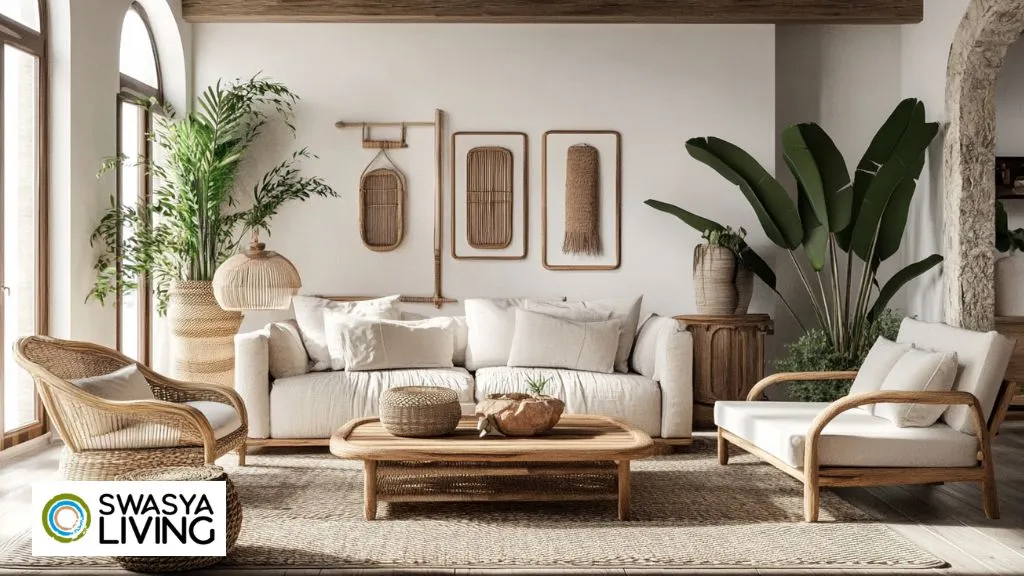
In the middle of concrete chaos and endless screentime, who doesn’t crave a little nature around them? And I don’t mean those sad two plants we keep near our laptop and proudly call it green living. I’m talking real nature… sunlight slipping into your room, air that actually feels alive, materials that smell like the earth and not like a factory.
When I first read about biophilic design architecture, I didn’t even understand what is biophilic design properly. But slowly, I realised, it’s basically design that stops pretending and starts behaving like humans are part of nature, not separate from it. The more I explored homes and buildings inspired by nature, the more it felt like, “Oh wow, this is how our spaces should’ve always been.”
And that’s where it gets interesting. Because biophilic interior design isn’t just about putting plants everywhere. It’s about using natural textures, sunlight, airflow, earthy materials… basically letting your home breathe.
What Exactly Is Biophilic Design?
Whenever people ask me “what is biophilic design?”, I honestly don’t jump into definitions first.
I usually tell them, “Just imagine your home breathing with you… not fighting you.”
Because that’s what biophilic architecture really feels like.
For me, biophilic design architecture is basically bringing back all the things our modern homes quietly pushed away. Fresh air, daylight, real textures, plants that don’t die in one week (I still struggle, but okay), and spaces that actually make you want to slow down.
It’s not only about putting 25 plants inside your living room and calling it “biophilic interior design.”
It goes much deeper. It’s about how your home makes your body feel calmer, how your mind stops racing, how your breathing eases out without you even realising.
Homes built with biophilic principles feel a bit like nature is co-parenting your mood. Structures inspired by nature always have that effect. Soft curves, earthy materials, lots of cross-ventilation, quiet corners, sunlight doing its own dance on the walls… all the small things that somehow matter the most.
Also Read: Sustainable Architecture
That’s why biophilic architecture is becoming less of a trend and more of a “finally we needed this” kind of shift.
What are the Principles of Biophilic Design?
1. Nature Inside the Space
This is the most obvious one. Just bringing real nature into your home. Plants, water features, wooden textures, even a tiny herb corner.
I remember once I placed a random pothos cutting in a glass bottle near my workspace… and suddenly the entire desk felt less stressful, like I could breathe again. That’s what nature presence does. It calms your nervous system without asking for permission.
2. Natural Light (Honestly… life-changing)
Natural sunlight is like the best therapist. When there’s enough of it, the whole house stays lively. When it’s missing, everything feels flat.
I’ve lived in rooms with poor sunlight before and no matter how pretty the decor was, the vibe felt dead. So biophilic architecture always tries to bring sunlight from every possible angle.
3. Airflow & Natural Ventilation
This is where biophilic design gets underrated. Fresh air literally shifts your mood. Cross-ventilation, open windows, airy layouts… all these make your home feel alive.
It’s also the reason old Indian homes always had inner courtyards. They knew what they were doing.
4. Natural Materials (Wood, stone, clay… all the earthy stuff)
There’s something grounding about touching a natural surface. Wood feels warm, stone feels cool, and clay has this nostalgic, earthy comfort.
Biophilic design uses these textures to remind your brain that you’re still connected to the planet, even if the world outside your home has become 90% concrete.
5. Organic Shapes & Forms (aka: nothing needs to be perfect)
Biophilic design avoids rigid, boxy, hyper-symmetric lines. Nature is not perfectly straight and thank god for that.
Soft curves, uneven textures, shapes that mimic leaves or waves… these things subconsciously relax the mind.
6. Visual Connection to Outdoors
Even if you don’t have the luxury of acres of greenery, just being able to see the outside world. A courtyard, a small garden, a tree outside your window is enough for your brain to settle down.
Sometimes, even a balcony with two plants becomes your personal reset button.
7. Natural Analogues (Patterns inspired by nature)
This is when you use wallpapers, fabrics, flooring, or art that mimic the geometry of nature like leaf prints, stone patterns, wave-like carvings, or earthy colours.
Even when real nature isn’t fully there, these “nature hints” trick your senses into feeling comfort and familiarity.
8. Spaces Designed for Movement & Flow
Biophilic spaces don’t trap you. They let you flow from one area to the other. Open layouts, calm corners, pathways that feel intuitive.
It’s like the architecture itself is guiding your mind to slow down.
Biophilic Design in Swasya Living
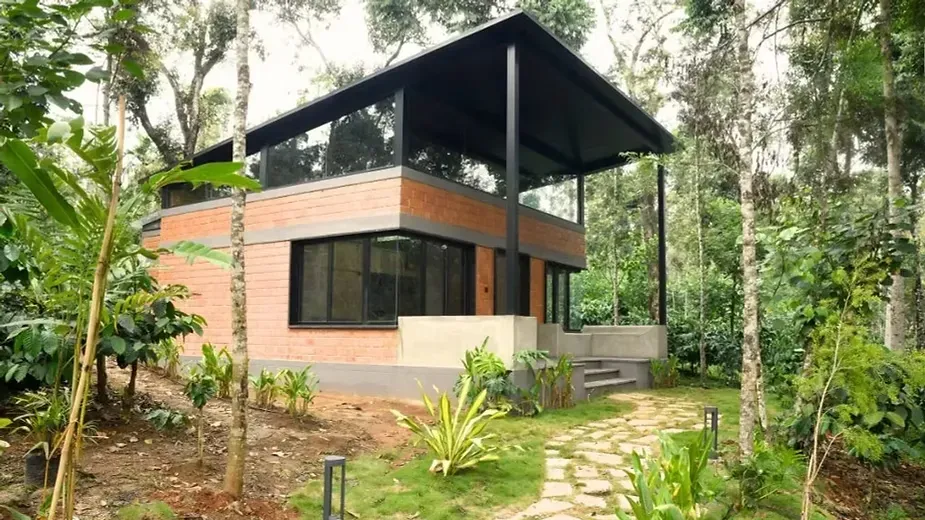
Swasya Living is a brand that embraces biophilic home design, creating living spaces that harmonize with nature. They specialize in sustainable architecture, eco-friendly materials, and integrating natural elements like plants, sunlight, and organic textures into homes.
How Swasya Living does this without going overboard
The lake actually changes the microclimate, something you literally feel when you walk inside.
Homes blend with the landscape instead of popping out like concrete boxes
Materials are chosen to age well with nature, not fight it.
Ventilation is not just a design line; you genuinely get breezy rooms.
And the whole community is structured to give you that “living in nature but not disconnected from life” feeling.
Final Thoughts
If you love nature and crave a home that breathes calm, freshness, and energy, then a biophilic home is definitely for you. Even small changes like adding a few hardy plants or letting sunlight stream in can uplift your mood and transform your space.
Go bigger if you wish. Indoor greenery walls, natural textures, or gentle water features that bring tranquility indoors. The beauty of biophilic design lies in making your home feel alive and connected to the outdoors without feeling forced or overdone. At Swasya Living, this is done thoughtfully, blending nature seamlessly with modern living. Your home doesn’t just look better, it feels better, and so do you.
FAQs
1. What is biophilic design?
It’s basically bringing nature into your home or building. Think lots of greenery, natural light, fresh air, and materials that make you feel connected to the outdoors.
2. Why should I consider biophilic architecture?
Honestly, it just makes you feel better. Less stress, better mood, and your home feels lively without any artificial vibe.
3. Can small spaces use biophilic design?
Absolutely! Even a few plants, a sunny corner, or natural textures can make a huge difference.
4. Is it expensive to do biophilic interiors?
Not at all. You can start small. Plants, wood accents, daylight and slowly scale up if you want.
5. How does Swasya Living apply biophilic design?
They focus on natural materials, greenery, and open spaces, blending comfort with nature without overdoing the “eco look.”
In the middle of concrete chaos and endless screentime, who doesn’t crave a little nature around them? And I don’t mean those sad two plants we keep near our laptop and proudly call it green living. I’m talking real nature… sunlight slipping into your room, air that actually feels alive, materials that smell like the earth and not like a factory.
When I first read about biophilic design architecture, I didn’t even understand what is biophilic design properly. But slowly, I realised, it’s basically design that stops pretending and starts behaving like humans are part of nature, not separate from it. The more I explored homes and buildings inspired by nature, the more it felt like, “Oh wow, this is how our spaces should’ve always been.”
And that’s where it gets interesting. Because biophilic interior design isn’t just about putting plants everywhere. It’s about using natural textures, sunlight, airflow, earthy materials… basically letting your home breathe.
What Exactly Is Biophilic Design?
Whenever people ask me “what is biophilic design?”, I honestly don’t jump into definitions first.
I usually tell them, “Just imagine your home breathing with you… not fighting you.”
Because that’s what biophilic architecture really feels like.
For me, biophilic design architecture is basically bringing back all the things our modern homes quietly pushed away. Fresh air, daylight, real textures, plants that don’t die in one week (I still struggle, but okay), and spaces that actually make you want to slow down.
It’s not only about putting 25 plants inside your living room and calling it “biophilic interior design.”
It goes much deeper. It’s about how your home makes your body feel calmer, how your mind stops racing, how your breathing eases out without you even realising.
Homes built with biophilic principles feel a bit like nature is co-parenting your mood. Structures inspired by nature always have that effect. Soft curves, earthy materials, lots of cross-ventilation, quiet corners, sunlight doing its own dance on the walls… all the small things that somehow matter the most.
Also Read: Sustainable Architecture
That’s why biophilic architecture is becoming less of a trend and more of a “finally we needed this” kind of shift.
What are the Principles of Biophilic Design?
1. Nature Inside the Space
This is the most obvious one. Just bringing real nature into your home. Plants, water features, wooden textures, even a tiny herb corner.
I remember once I placed a random pothos cutting in a glass bottle near my workspace… and suddenly the entire desk felt less stressful, like I could breathe again. That’s what nature presence does. It calms your nervous system without asking for permission.
2. Natural Light (Honestly… life-changing)
Natural sunlight is like the best therapist. When there’s enough of it, the whole house stays lively. When it’s missing, everything feels flat.
I’ve lived in rooms with poor sunlight before and no matter how pretty the decor was, the vibe felt dead. So biophilic architecture always tries to bring sunlight from every possible angle.
3. Airflow & Natural Ventilation
This is where biophilic design gets underrated. Fresh air literally shifts your mood. Cross-ventilation, open windows, airy layouts… all these make your home feel alive.
It’s also the reason old Indian homes always had inner courtyards. They knew what they were doing.
4. Natural Materials (Wood, stone, clay… all the earthy stuff)
There’s something grounding about touching a natural surface. Wood feels warm, stone feels cool, and clay has this nostalgic, earthy comfort.
Biophilic design uses these textures to remind your brain that you’re still connected to the planet, even if the world outside your home has become 90% concrete.
5. Organic Shapes & Forms (aka: nothing needs to be perfect)
Biophilic design avoids rigid, boxy, hyper-symmetric lines. Nature is not perfectly straight and thank god for that.
Soft curves, uneven textures, shapes that mimic leaves or waves… these things subconsciously relax the mind.
6. Visual Connection to Outdoors
Even if you don’t have the luxury of acres of greenery, just being able to see the outside world. A courtyard, a small garden, a tree outside your window is enough for your brain to settle down.
Sometimes, even a balcony with two plants becomes your personal reset button.
7. Natural Analogues (Patterns inspired by nature)
This is when you use wallpapers, fabrics, flooring, or art that mimic the geometry of nature like leaf prints, stone patterns, wave-like carvings, or earthy colours.
Even when real nature isn’t fully there, these “nature hints” trick your senses into feeling comfort and familiarity.
8. Spaces Designed for Movement & Flow
Biophilic spaces don’t trap you. They let you flow from one area to the other. Open layouts, calm corners, pathways that feel intuitive.
It’s like the architecture itself is guiding your mind to slow down.
Biophilic Design in Swasya Living
Swasya Living is a brand that embraces biophilic home design, creating living spaces that harmonize with nature. They specialize in sustainable architecture, eco-friendly materials, and integrating natural elements like plants, sunlight, and organic textures into homes.
How Swasya Living does this without going overboard
The lake actually changes the microclimate, something you literally feel when you walk inside.
Homes blend with the landscape instead of popping out like concrete boxes
Materials are chosen to age well with nature, not fight it.
Ventilation is not just a design line; you genuinely get breezy rooms.
And the whole community is structured to give you that “living in nature but not disconnected from life” feeling.
Final Thoughts
If you love nature and crave a home that breathes calm, freshness, and energy, then a biophilic home is definitely for you. Even small changes like adding a few hardy plants or letting sunlight stream in can uplift your mood and transform your space.
Go bigger if you wish. Indoor greenery walls, natural textures, or gentle water features that bring tranquility indoors. The beauty of biophilic design lies in making your home feel alive and connected to the outdoors without feeling forced or overdone. At Swasya Living, this is done thoughtfully, blending nature seamlessly with modern living. Your home doesn’t just look better, it feels better, and so do you.
FAQs
1. What is biophilic design?
It’s basically bringing nature into your home or building. Think lots of greenery, natural light, fresh air, and materials that make you feel connected to the outdoors.
2. Why should I consider biophilic architecture?
Honestly, it just makes you feel better. Less stress, better mood, and your home feels lively without any artificial vibe.
3. Can small spaces use biophilic design?
Absolutely! Even a few plants, a sunny corner, or natural textures can make a huge difference.
4. Is it expensive to do biophilic interiors?
Not at all. You can start small. Plants, wood accents, daylight and slowly scale up if you want.
5. How does Swasya Living apply biophilic design?
They focus on natural materials, greenery, and open spaces, blending comfort with nature without overdoing the “eco look.”
Akshata
You Might Also Like





Subscribe to the Swasya
newsletter
Discover insights about sustainable farming, investment opportunities, and the future of agriculture.
By subscribing, you agree to the Privacy Policy
Subscribe to the Swasya
newsletter
Discover insights about sustainable farming, investment opportunities, and the future of agriculture.
By subscribing, you agree to the Privacy Policy