Farming
Best Methods of Beekeeping in 2026: Traditional vs. Modern Apiculture
20 Mar 2026
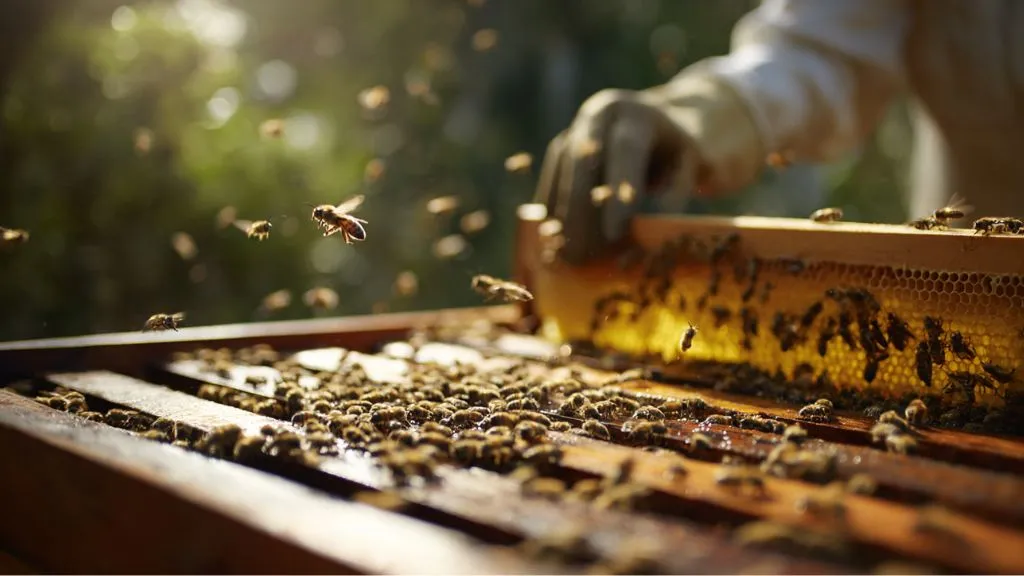
Ever stood in a field and just listened? Not the sound of the wind or distant traffic, but that low, steady hum that feels like the heartbeat of the land. That’s the sound of thousands of bees at work.
At Swasya Living, we don’t just see bees as "honey makers." To us, they are the silent partners in our food forests. Without them, our mangoes wouldn't set, and our biodiversity would take a hit. But beekeeping has changed a lot. Gone are the days when you just hung a pot in a tree and hoped for the best.
If you’re curious about how we manage our hives or if you’re looking to start your own journey, you need to understand the different methods of beekeeping. In 2026, it’s not just about the honey, it’s about a smarter, more scientific way to support these tiny powerhouses.
Traditional vs. Modern: A Quick Comparison
Feature | Traditional Beekeeping | Modern Scientific Beekeeping |
Hive Type | Fixed (hollow logs, mud pots) | Movable (wooden Langstroth boxes) |
Honey Extraction | Destructive (crushing combs) | Centrifugal (reusable combs) |
Bee Safety | High mortality (due to fire/smoke) | 100% safe (bees are undisturbed) |
Honey Quality | Impure (mixed with wax/pollen) | 100% Pure & Transparent |
Monitoring | Zero (completely unplanned) | Real-time via AI & IoT sensors |
Traditional Methods of Apiculture
The old apiculture method was a bit brutal. People used "fixed hives", natural spots like tree hollows or walls. When it was time to harvest, they’d use fire or heavy smoke to drive the bees out.
The downside? You’d end up killing half the colony, destroying the larvae, and the honey you got was often mixed with wax, pollen, and even parts of the hive. It wasn’t planned, it wasn't sustainable, and it definitely wasn't the best way to scale bee cultivation.
The Modern Method of Apiculture
At Swasya, we swear by the modern method of apiculture. It’s all about the "movable hive." This is usually a wooden box (the Langstroth hive) where every frame can be pulled out, inspected, and put back without stressing the queen.
By using these beekeeping techniques, we can monitor the health of the queen, check for parasites, and ensure the colony is strong. We use a "Queen Excluder", a clever little mesh that lets worker bees pass through but keeps the queen in the lower chamber. This ensures she only lays eggs in the "Brood Chamber," while the upper layers (Honey Supers) stay pure, golden, and egg-free.
Beekeeping Techniques for Maximum Honey Production
In 2026, beekeeping has gone high-tech. If you really want to see a jump in your yield (India has seen a 200% increase in production lately because of this!), you need to look at these tools:
BuzzBox & IoT Sensors: We can now track the sound inside the hive. Using AI, these sensors can tell us if the queen is missing or if the colony is about to "swarm" (split and leave) just by the frequency of the buzz.
Thermosolar Hives: This is a game-changer for bee cultivation. It uses solar panels to keep the hive at a steady temperature, which naturally kills off mites and pests without using nasty chemicals.
Flow Hives: This is probably the most "Instagrammable" beekeeping techniques for maximum honey production. You just turn a key, and the honey flows out through a tube. No opening the hive, no stings, and zero stress for the bees.
Why Different Types of Beekeeping Matter for Your Farm
Depending on your goal, you might choose different types of beekeeping:
Commercial Beekeeping: Focuses purely on honey and wax production using hundreds of hives.
Pollination Services: Some farmers move hives specifically to orchards (like our mango groves) during flowering season to boost crop yield.
Hobbyist/Backyard Beekeeping: Perfect for small gated farmland owners who want fresh honey for their morning tea and a healthy garden.
Regardless of the scale, the methods of beekeeping you choose will dictate whether your bees thrive or just survive.
Also Read: Understanding the Importance of Beekeeping
Extraction: How We Get the Good Stuff?
When it’s harvest time at Swasya, we use a "Honey Extractor." It’s a centrifugal machine. We take the sealed combs, use an "Uncapping Knife" to peel off the wax seal, and spin them. The honey flies out, but the wax comb stays intact. We give the empty comb back to the bees, and they start refilling it immediately. This saves the bees weeks of work making new wax, which is how you get maximum honey production.
Rooted in Science, Driven by Nature
At Swasya Living, we believe that the methods of apiculture should evolve with the times. By combining traditional respect for nature with modern scientific tools, we create a win-win. Our farms stay fertile, our bees stay healthy, and our community gets the purest honey possible.
FAQs
1. How much honey can one hive produce in a year?
With modern beekeeping techniques, a healthy colony can give you anywhere from 10kg to 40kg of honey a year, depending on the forage (flowers) available around them.
Is bee cultivation dangerous?
I get asked this a lot. If you use the right gear (veils, gloves, and a smoker) and work during the day when bees are busy foraging, it’s actually very peaceful. Bees are only aggressive if they feel their home is being attacked.
What are the best plants for bee forage?
Bees love diversity! Sunflowers, mustard, neem, and even simple wildflowers are great. If you’re at a Swasya farm, our fruit trees and herbal gardens provide a 365-day buffet for them.
4. Can I do beekeeping in an urban area?
Yes! Rooftop beekeeping is huge in Bangalore. Just make sure your neighbors are okay with it and there are enough flowering plants within a 2-3km radius.
Why are bees so important for the ecosystem?
Bees pollinate about 90% of the world's food. Without them, our grocery stores would look pretty empty. By supporting a modern method of apiculture, you’re literally helping save the planet.
What is the initial cost of starting a hive?
A basic setup, box, frames, bees, and protective gear, usually starts around ₹8,000 to ₹12,000. It’s a small investment for a lifetime of liquid gold.
Ever stood in a field and just listened? Not the sound of the wind or distant traffic, but that low, steady hum that feels like the heartbeat of the land. That’s the sound of thousands of bees at work.
At Swasya Living, we don’t just see bees as "honey makers." To us, they are the silent partners in our food forests. Without them, our mangoes wouldn't set, and our biodiversity would take a hit. But beekeeping has changed a lot. Gone are the days when you just hung a pot in a tree and hoped for the best.
If you’re curious about how we manage our hives or if you’re looking to start your own journey, you need to understand the different methods of beekeeping. In 2026, it’s not just about the honey, it’s about a smarter, more scientific way to support these tiny powerhouses.
Traditional vs. Modern: A Quick Comparison
Feature | Traditional Beekeeping | Modern Scientific Beekeeping |
Hive Type | Fixed (hollow logs, mud pots) | Movable (wooden Langstroth boxes) |
Honey Extraction | Destructive (crushing combs) | Centrifugal (reusable combs) |
Bee Safety | High mortality (due to fire/smoke) | 100% safe (bees are undisturbed) |
Honey Quality | Impure (mixed with wax/pollen) | 100% Pure & Transparent |
Monitoring | Zero (completely unplanned) | Real-time via AI & IoT sensors |
Traditional Methods of Apiculture
The old apiculture method was a bit brutal. People used "fixed hives", natural spots like tree hollows or walls. When it was time to harvest, they’d use fire or heavy smoke to drive the bees out.
The downside? You’d end up killing half the colony, destroying the larvae, and the honey you got was often mixed with wax, pollen, and even parts of the hive. It wasn’t planned, it wasn't sustainable, and it definitely wasn't the best way to scale bee cultivation.
The Modern Method of Apiculture
At Swasya, we swear by the modern method of apiculture. It’s all about the "movable hive." This is usually a wooden box (the Langstroth hive) where every frame can be pulled out, inspected, and put back without stressing the queen.
By using these beekeeping techniques, we can monitor the health of the queen, check for parasites, and ensure the colony is strong. We use a "Queen Excluder", a clever little mesh that lets worker bees pass through but keeps the queen in the lower chamber. This ensures she only lays eggs in the "Brood Chamber," while the upper layers (Honey Supers) stay pure, golden, and egg-free.
Beekeeping Techniques for Maximum Honey Production
In 2026, beekeeping has gone high-tech. If you really want to see a jump in your yield (India has seen a 200% increase in production lately because of this!), you need to look at these tools:
BuzzBox & IoT Sensors: We can now track the sound inside the hive. Using AI, these sensors can tell us if the queen is missing or if the colony is about to "swarm" (split and leave) just by the frequency of the buzz.
Thermosolar Hives: This is a game-changer for bee cultivation. It uses solar panels to keep the hive at a steady temperature, which naturally kills off mites and pests without using nasty chemicals.
Flow Hives: This is probably the most "Instagrammable" beekeeping techniques for maximum honey production. You just turn a key, and the honey flows out through a tube. No opening the hive, no stings, and zero stress for the bees.
Why Different Types of Beekeeping Matter for Your Farm
Depending on your goal, you might choose different types of beekeeping:
Commercial Beekeeping: Focuses purely on honey and wax production using hundreds of hives.
Pollination Services: Some farmers move hives specifically to orchards (like our mango groves) during flowering season to boost crop yield.
Hobbyist/Backyard Beekeeping: Perfect for small gated farmland owners who want fresh honey for their morning tea and a healthy garden.
Regardless of the scale, the methods of beekeeping you choose will dictate whether your bees thrive or just survive.
Also Read: Understanding the Importance of Beekeeping
Extraction: How We Get the Good Stuff?
When it’s harvest time at Swasya, we use a "Honey Extractor." It’s a centrifugal machine. We take the sealed combs, use an "Uncapping Knife" to peel off the wax seal, and spin them. The honey flies out, but the wax comb stays intact. We give the empty comb back to the bees, and they start refilling it immediately. This saves the bees weeks of work making new wax, which is how you get maximum honey production.
Rooted in Science, Driven by Nature
At Swasya Living, we believe that the methods of apiculture should evolve with the times. By combining traditional respect for nature with modern scientific tools, we create a win-win. Our farms stay fertile, our bees stay healthy, and our community gets the purest honey possible.
FAQs
1. How much honey can one hive produce in a year?
With modern beekeeping techniques, a healthy colony can give you anywhere from 10kg to 40kg of honey a year, depending on the forage (flowers) available around them.
Is bee cultivation dangerous?
I get asked this a lot. If you use the right gear (veils, gloves, and a smoker) and work during the day when bees are busy foraging, it’s actually very peaceful. Bees are only aggressive if they feel their home is being attacked.
What are the best plants for bee forage?
Bees love diversity! Sunflowers, mustard, neem, and even simple wildflowers are great. If you’re at a Swasya farm, our fruit trees and herbal gardens provide a 365-day buffet for them.
4. Can I do beekeeping in an urban area?
Yes! Rooftop beekeeping is huge in Bangalore. Just make sure your neighbors are okay with it and there are enough flowering plants within a 2-3km radius.
Why are bees so important for the ecosystem?
Bees pollinate about 90% of the world's food. Without them, our grocery stores would look pretty empty. By supporting a modern method of apiculture, you’re literally helping save the planet.
What is the initial cost of starting a hive?
A basic setup, box, frames, bees, and protective gear, usually starts around ₹8,000 to ₹12,000. It’s a small investment for a lifetime of liquid gold.
Akshata
You Might Also Like




Subscribe to the Swasya
newsletter
Discover insights about sustainable farming, investment opportunities, and the future of agriculture.
By subscribing, you agree to the Privacy Policy
Subscribe to the Swasya
newsletter
Discover insights about sustainable farming, investment opportunities, and the future of agriculture.
By subscribing, you agree to the Privacy Policy