Farming
Bannur Sheep Breed: Origin, Price, Weight & Meat Quality
9 Jan 2026
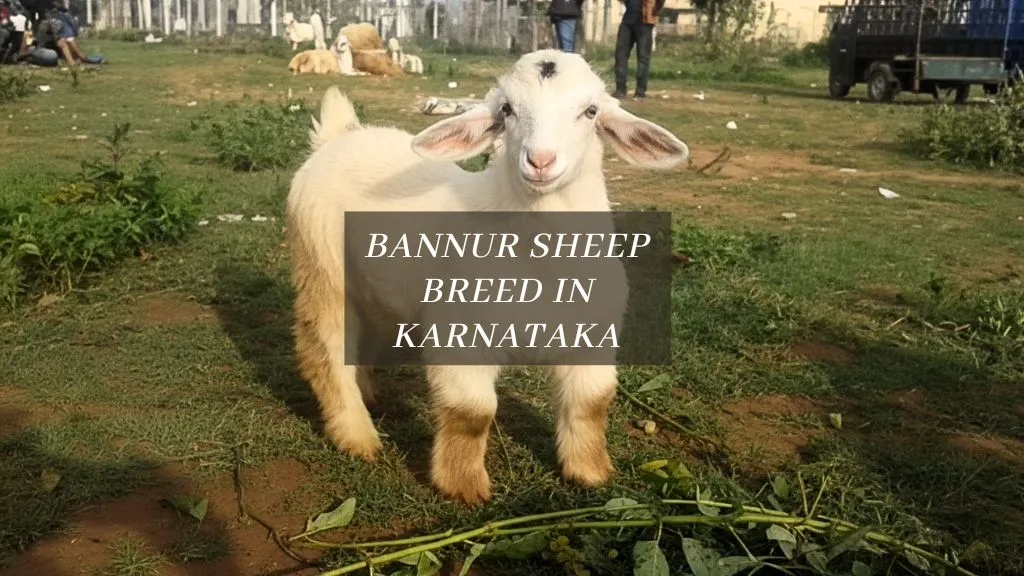
Let me start this the way I first heard about it, from a local farmer, not Google. Bannur sheep isn’t just another breed you read about in farming books. It’s a big deal here in Karnataka. Also called the Bannur sheep breed or Mandya sheep, this one is famous purely for meat. The taste, the softness… people literally wait for it. Bannur sheep price stays high for a reason. From bannur sheep weight to bannur sheep baby price, everything revolves around quality, not quantity. And once you understand this breed, you’ll see why demand never drops.
Also Read: Profitable Goat Breeds in India
Origin & History of Bannur Sheep Breed
Bannur sheep didn’t come from some fancy breeding lab. It came from land, people, and habit. This breed belongs to a small village called Bandur, near Bannur, close to Mysuru in Karnataka. That’s how the name stuck. Locals still call it Mandya sheep or Bandur sheep, depending on who you ask and which side of the road you’re standing on.
I’ve mostly seen Bannur sheep around Mandya–Mysuru belt. Dry lands. Open grazing. Simple feeding. Nothing over-the-top. These sheep were always raised for meat, not wool, not show. Farmers here cared more about taste than size. And honestly, that decision paid off.
The meat quality became the identity. Soft. Juicy. No weird smell. That’s why even today, Bannur sheep price in the market stays high, especially during festivals. Demand never really dropped. Even when bigger breeds came in, Bannur stayed… relevant.
It’s one of those breeds that survived because people trusted it. Simple as that.
Physical Characteristics of Bannur Sheep
If you’ve ever seen a Bannur sheep up close, you’ll notice one thing immediately, it looks compact and solid, not tall or fancy. This breed isn’t about show. It’s about meat. Period.
Most Bannur sheep are pure white, though some have a light brown shade on the face, sometimes stretching till the neck.
The body shape is short, tight, and muscular. From behind, it almost forms a reversed “U” shape. Farmers often use this as a quick identification trick.
Ears are long, leafy, and drooping, which gives them a calm, almost lazy look.
The tail is short and thin, nothing bushy or heavy.
Many of them have wattles (those small skin flaps near the neck), and a slightly Roman nose, which is quite common in this breed.
They may look smaller compared to other meat breeds, but don’t be fooled. What they lack in size, they make up for in meat quality and taste, which is exactly why the Bannur sheep breed is so valued in Karnataka markets.
Reproduction & Lambing in Bannur Sheep
When it comes to reproduction, Bannur sheep are quite steady. Nothing fancy, nothing rushed. The first lambing usually happens when the ewe is around 650 days old. It sounds late, but honestly, that’s how this breed works. Slow, but dependable.
The gap between two lambings is roughly 380 days, so farmers usually get one healthy lamb at a time. Twins are rare here. The lambing percentage stays close to 75%, which is considered decent for a pure meat breed. What really matters is survival rate, and Bannur lambs are strong enough to handle local conditions without much drama.
Bannur Sheep Breeding & Purity Maintenance
Breeding Bannur sheep is taken very seriously, especially because this is a pure and premium meat breed. Rams are not chosen randomly. Selection mostly happens based on body weight, body shape, and overall build. A well-built ram means better-quality lambs later, simple logic.
Most farmers prefer natural breeding, and cross-breeding is usually avoided. Why spoil something that already sells so well, right? Maintaining purity is what keeps the Bannur sheep price high in the market. When breeding is done properly, the meat quality stays consistent and that’s exactly why this breed still holds so much respect in Karnataka.
Body Weight in Bannur Sheep Breed (Birth to Adult)
When it comes to Bannur sheep weight, this breed may not look massive at first glance, but trust me, it grows steadily and sensibly. It’s not the kind that suddenly bulks up overnight. Growth happens slowly, naturally, and that’s exactly why the meat quality stays so good.
Here’s how the weight usually goes (this is what most local farmers also see on ground):
At birth: around 2 kg
At weaning: roughly 10 kg
At 6 months: close to 13 kg
At 12 months: about 22 kg
Adult males generally reach around 35 kg, while adult females stay near 24 kg. Not huge numbers, I know. But Bannur sheep weight is never the main selling point. The taste is. The tenderness is. And the demand that never drops.
Farmers here often say—“Bannur doesn’t grow fast, but it grows right.” And honestly, that one line explains everything about this breed.
Performance & Meat Yield of Bannur Sheep
Now this is where Bannur sheep quietly impress you. What really stands out is how well the meat develops even with this moderate weight gain. The dressing percentage is around 48%, which is pretty decent for a breed mainly raised for meat quality, not bulk size.
I’ve heard many farmers say this—Bannur sheep may look small, but when it comes to taste, texture, and demand in the market, they punch way above their weight. That’s why they continue to be reared, generation after generation, without losing relevance.
Read Also: Different types of Cow Breeds in India
Bannur Sheep Breed: Final Thoughts & Farmer Insight
If you ask me honestly, Bannur sheep is not about numbers or fast growth. It’s about quality, patience, and pride. This breed has survived generations because people trusted its taste, its consistency, and the respect it gets in the market. Even today, Bannur sheep meat is spoken about differently, softer, cleaner, richer.
For farmers who want to focus purely on meat, not wool or fancy traits, Bannur sheep makes sense. Slow-growing, yes. But reliable. And profitable in the long run.
At Swasya Living, this kind of traditional, rooted farming is exactly what we believe in. Local breeds, sustainable practices, and respecting what the land already knows. Sometimes, the best way forward is simply to preserve what’s already perfect.
FAQs
1. What is Bannur sheep famous for?
Honestly, the meat. That soft texture, that taste… once you eat Bannur mutton, other mutton feels a little disappointing. That’s why Bannur sheep has such crazy demand.
2. What is the average Bannur sheep price in India?
It keeps changing, but usually male Bannur sheep price goes around ₹220 per kg live weight. Females are slightly lower, around ₹180–₹190 per kg. During festivals, prices shoot up. Like crazy.
3. What is the Bannur sheep baby price?
A Bannur sheep baby price usually starts from ₹4,000–₹6,000 depending on age, health, and lineage. Good bloodline lambs cost more, obviously.
4. What is the average Bannur sheep weight?
Adult males reach around 35 kg, females around 24 kg. Not very bulky, but meat quality makes up for everything.
5. Is Bannur sheep good for farming?
Yes, if your focus is meat quality, not fast growth. It’s slow, but the market value is strong. Patience pays here.
Let me start this the way I first heard about it, from a local farmer, not Google. Bannur sheep isn’t just another breed you read about in farming books. It’s a big deal here in Karnataka. Also called the Bannur sheep breed or Mandya sheep, this one is famous purely for meat. The taste, the softness… people literally wait for it. Bannur sheep price stays high for a reason. From bannur sheep weight to bannur sheep baby price, everything revolves around quality, not quantity. And once you understand this breed, you’ll see why demand never drops.
Also Read: Profitable Goat Breeds in India
Origin & History of Bannur Sheep Breed
Bannur sheep didn’t come from some fancy breeding lab. It came from land, people, and habit. This breed belongs to a small village called Bandur, near Bannur, close to Mysuru in Karnataka. That’s how the name stuck. Locals still call it Mandya sheep or Bandur sheep, depending on who you ask and which side of the road you’re standing on.
I’ve mostly seen Bannur sheep around Mandya–Mysuru belt. Dry lands. Open grazing. Simple feeding. Nothing over-the-top. These sheep were always raised for meat, not wool, not show. Farmers here cared more about taste than size. And honestly, that decision paid off.
The meat quality became the identity. Soft. Juicy. No weird smell. That’s why even today, Bannur sheep price in the market stays high, especially during festivals. Demand never really dropped. Even when bigger breeds came in, Bannur stayed… relevant.
It’s one of those breeds that survived because people trusted it. Simple as that.
Physical Characteristics of Bannur Sheep
If you’ve ever seen a Bannur sheep up close, you’ll notice one thing immediately, it looks compact and solid, not tall or fancy. This breed isn’t about show. It’s about meat. Period.
Most Bannur sheep are pure white, though some have a light brown shade on the face, sometimes stretching till the neck.
The body shape is short, tight, and muscular. From behind, it almost forms a reversed “U” shape. Farmers often use this as a quick identification trick.
Ears are long, leafy, and drooping, which gives them a calm, almost lazy look.
The tail is short and thin, nothing bushy or heavy.
Many of them have wattles (those small skin flaps near the neck), and a slightly Roman nose, which is quite common in this breed.
They may look smaller compared to other meat breeds, but don’t be fooled. What they lack in size, they make up for in meat quality and taste, which is exactly why the Bannur sheep breed is so valued in Karnataka markets.
Reproduction & Lambing in Bannur Sheep
When it comes to reproduction, Bannur sheep are quite steady. Nothing fancy, nothing rushed. The first lambing usually happens when the ewe is around 650 days old. It sounds late, but honestly, that’s how this breed works. Slow, but dependable.
The gap between two lambings is roughly 380 days, so farmers usually get one healthy lamb at a time. Twins are rare here. The lambing percentage stays close to 75%, which is considered decent for a pure meat breed. What really matters is survival rate, and Bannur lambs are strong enough to handle local conditions without much drama.
Bannur Sheep Breeding & Purity Maintenance
Breeding Bannur sheep is taken very seriously, especially because this is a pure and premium meat breed. Rams are not chosen randomly. Selection mostly happens based on body weight, body shape, and overall build. A well-built ram means better-quality lambs later, simple logic.
Most farmers prefer natural breeding, and cross-breeding is usually avoided. Why spoil something that already sells so well, right? Maintaining purity is what keeps the Bannur sheep price high in the market. When breeding is done properly, the meat quality stays consistent and that’s exactly why this breed still holds so much respect in Karnataka.
Body Weight in Bannur Sheep Breed (Birth to Adult)
When it comes to Bannur sheep weight, this breed may not look massive at first glance, but trust me, it grows steadily and sensibly. It’s not the kind that suddenly bulks up overnight. Growth happens slowly, naturally, and that’s exactly why the meat quality stays so good.
Here’s how the weight usually goes (this is what most local farmers also see on ground):
At birth: around 2 kg
At weaning: roughly 10 kg
At 6 months: close to 13 kg
At 12 months: about 22 kg
Adult males generally reach around 35 kg, while adult females stay near 24 kg. Not huge numbers, I know. But Bannur sheep weight is never the main selling point. The taste is. The tenderness is. And the demand that never drops.
Farmers here often say—“Bannur doesn’t grow fast, but it grows right.” And honestly, that one line explains everything about this breed.
Performance & Meat Yield of Bannur Sheep
Now this is where Bannur sheep quietly impress you. What really stands out is how well the meat develops even with this moderate weight gain. The dressing percentage is around 48%, which is pretty decent for a breed mainly raised for meat quality, not bulk size.
I’ve heard many farmers say this—Bannur sheep may look small, but when it comes to taste, texture, and demand in the market, they punch way above their weight. That’s why they continue to be reared, generation after generation, without losing relevance.
Read Also: Different types of Cow Breeds in India
Bannur Sheep Breed: Final Thoughts & Farmer Insight
If you ask me honestly, Bannur sheep is not about numbers or fast growth. It’s about quality, patience, and pride. This breed has survived generations because people trusted its taste, its consistency, and the respect it gets in the market. Even today, Bannur sheep meat is spoken about differently, softer, cleaner, richer.
For farmers who want to focus purely on meat, not wool or fancy traits, Bannur sheep makes sense. Slow-growing, yes. But reliable. And profitable in the long run.
At Swasya Living, this kind of traditional, rooted farming is exactly what we believe in. Local breeds, sustainable practices, and respecting what the land already knows. Sometimes, the best way forward is simply to preserve what’s already perfect.
FAQs
1. What is Bannur sheep famous for?
Honestly, the meat. That soft texture, that taste… once you eat Bannur mutton, other mutton feels a little disappointing. That’s why Bannur sheep has such crazy demand.
2. What is the average Bannur sheep price in India?
It keeps changing, but usually male Bannur sheep price goes around ₹220 per kg live weight. Females are slightly lower, around ₹180–₹190 per kg. During festivals, prices shoot up. Like crazy.
3. What is the Bannur sheep baby price?
A Bannur sheep baby price usually starts from ₹4,000–₹6,000 depending on age, health, and lineage. Good bloodline lambs cost more, obviously.
4. What is the average Bannur sheep weight?
Adult males reach around 35 kg, females around 24 kg. Not very bulky, but meat quality makes up for everything.
5. Is Bannur sheep good for farming?
Yes, if your focus is meat quality, not fast growth. It’s slow, but the market value is strong. Patience pays here.
Akshata
You Might Also Like




Subscribe to the Swasya
newsletter
Discover insights about sustainable farming, investment opportunities, and the future of agriculture.
By subscribing, you agree to the Privacy Policy
Subscribe to the Swasya
newsletter
Discover insights about sustainable farming, investment opportunities, and the future of agriculture.
By subscribing, you agree to the Privacy Policy