Farming
Farming
Different Types of Cow Breeds in India: Indian Cattle Breeds & Desi Cow Varieties
4 Dec 2025

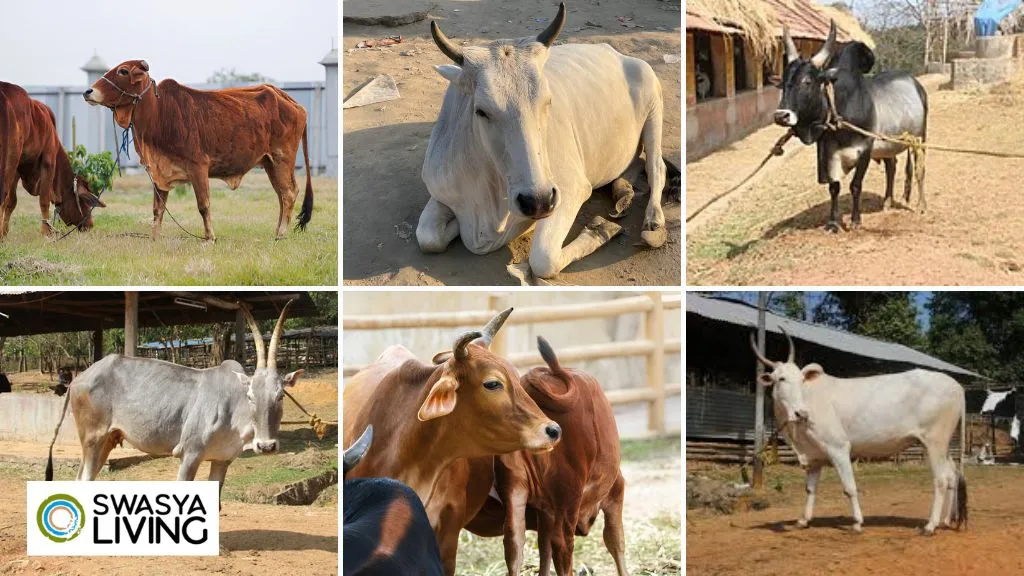
When you think of India, what comes to mind? Spices, festivals, Bollywood? Well, let me add one more to that list—cows! Not just any cows, but the incredible variety that makes up the backbone of India’s agriculture and dairy industry. From the desi cow breeds that have been here for centuries to the exotic ones that joined later, our country is home to some of the most diverse and fascinating cattle you’ll ever meet.
In fact, the sheer types of cows in India will surprise you—some are known for giving rich, creamy milk, some for their unmatched strength in fields, and some that balance both (the true multitaskers!). If you’ve ever wondered which is the best cow breed in India for dairy or what unique cow variety in India thrives where, you’re in for a treat.
So, let’s dive into the world of Indian cattle breeds—classified into dairy, draught, and dual-purpose—with a sprinkle of history, interesting facts, and yes, even their “milk CVs” (because, let’s be honest, we all want to know about that yield ).
Classification of Indian Cattle Breeds
India doesn’t just have “one type” of cow; it’s a full-blown dairy directory out here! Broadly, the different types of cows in India can be classified into three categories:
Best Dairy Breeds of Cattle in India – These are the superstar milk producers, known for their high yield and quality. If you’ve ever enjoyed a creamy cup of chai, chances are it came from one of these cows.
Best Draught Breeds of Cattle in India – Not every cow is about milk. Some are the farmers’ true companions—tough, resilient, and strong, perfect for ploughing fields and pulling carts.
Best Dual-Purpose Breeds of Cattle in India – Think of these as the multitasking moms. They provide good milk while also being sturdy enough to help with draught work.
And yes, apart from our beloved desi cow breeds, we also have exotic breeds of cattle in India—imported varieties that adapt well to Indian conditions and give impressive yields.
Best Dairy Breeds of Cattle in India: Origin, Milk Yield, Lactation Period etc
When we talk about the best cow breed in India for dairy, these are the stars that come to mind. They’ve been loved by farmers for generations because of their adaptability, resilience, and of course, delicious, nutrient-rich milk.
1. Sahiwal
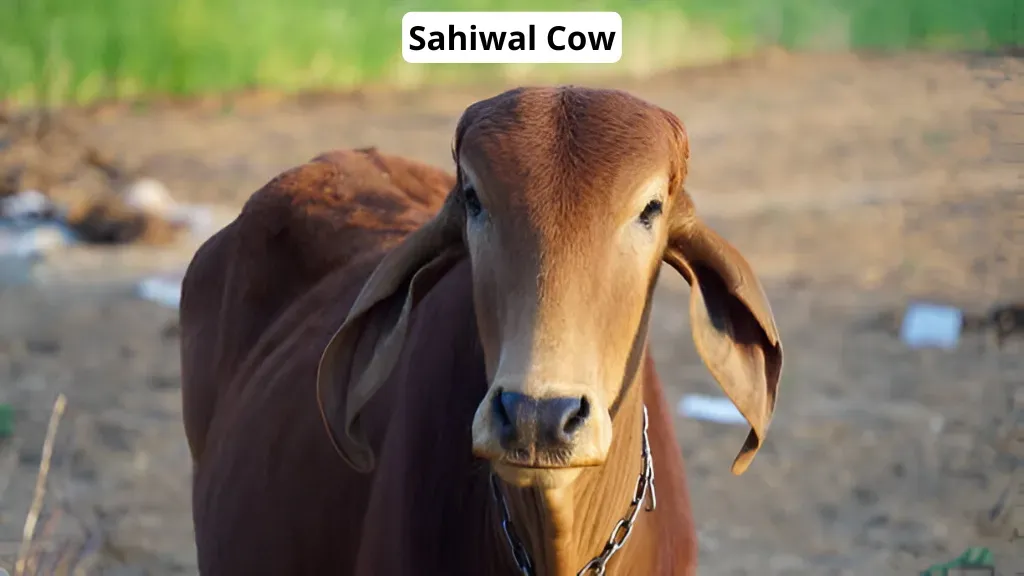
Origin: Punjab (India-Pakistan border region)
Synonyms: Lola, Montgomery, Multani
Lactation Period: Around 280–300 days
Milk Yield: 2,500–3,000 liters per lactation (some high performers go up to 4,000 liters!)
Fun fact: Known as one of the best desi cow breeds, Sahiwal cows are heat-tolerant and rarely fall sick.
2. Red Sindhi
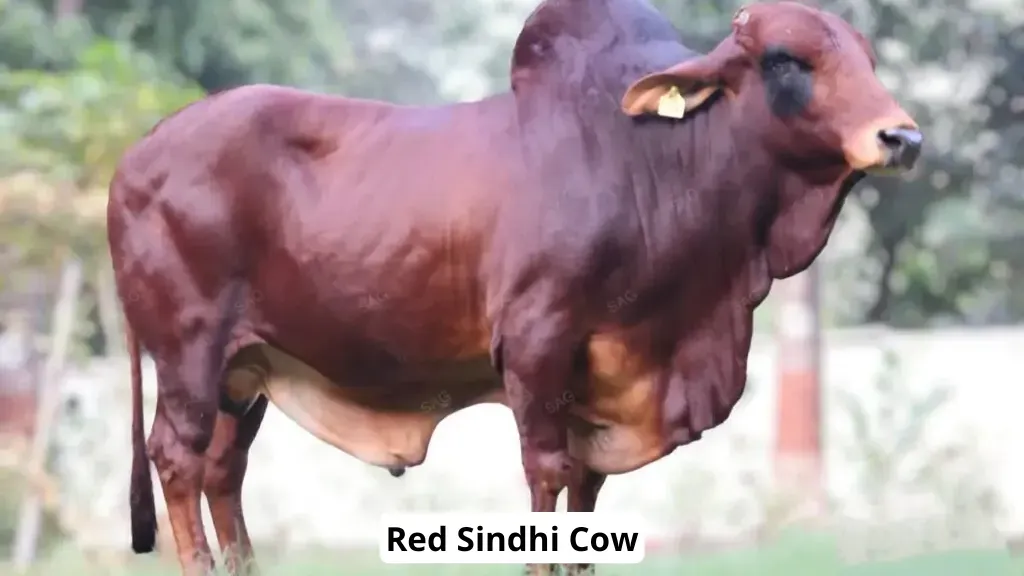
Origin: Sindh region (now in Pakistan)
Synonyms: Malir, Karachi, Sindhi
Lactation Period: 270–300 days
Milk Yield: 1,700–2,600 liters per lactation
Fun fact: Their milk has high butterfat content, making them perfect for ghee and sweets.
3. Gir
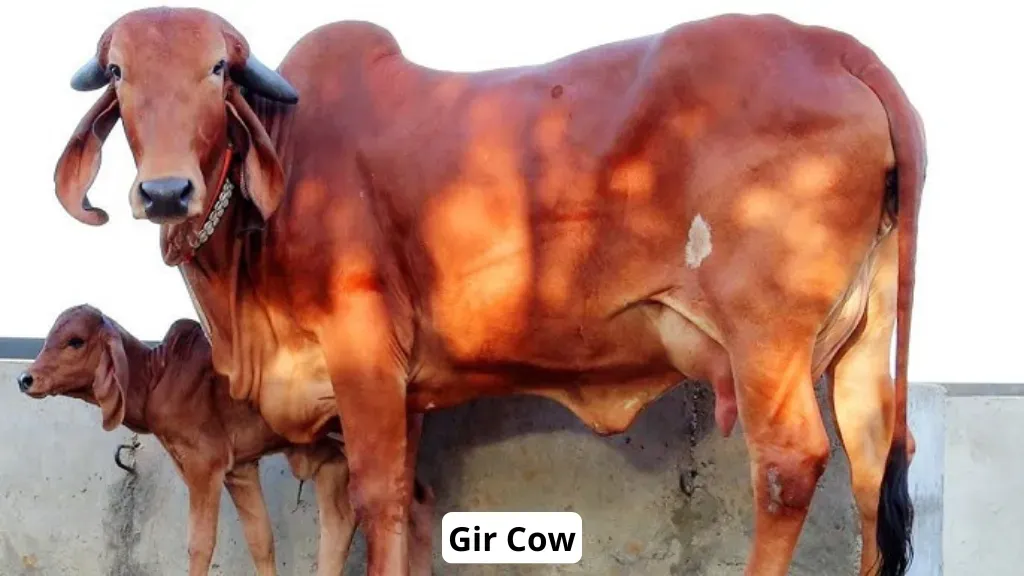
Origin: Gir forest region of Gujarat
Synonyms: Kathiawari, Surati, Desan
Lactation Period: 300–320 days
Milk Yield: 2,000–3,500 liters per lactation
Fun fact: Gir cows are not just productive but also extremely affectionate—farmers often treat them like family pets.
Best Draught Breeds of Cattle in India
1. Amrit Mahal
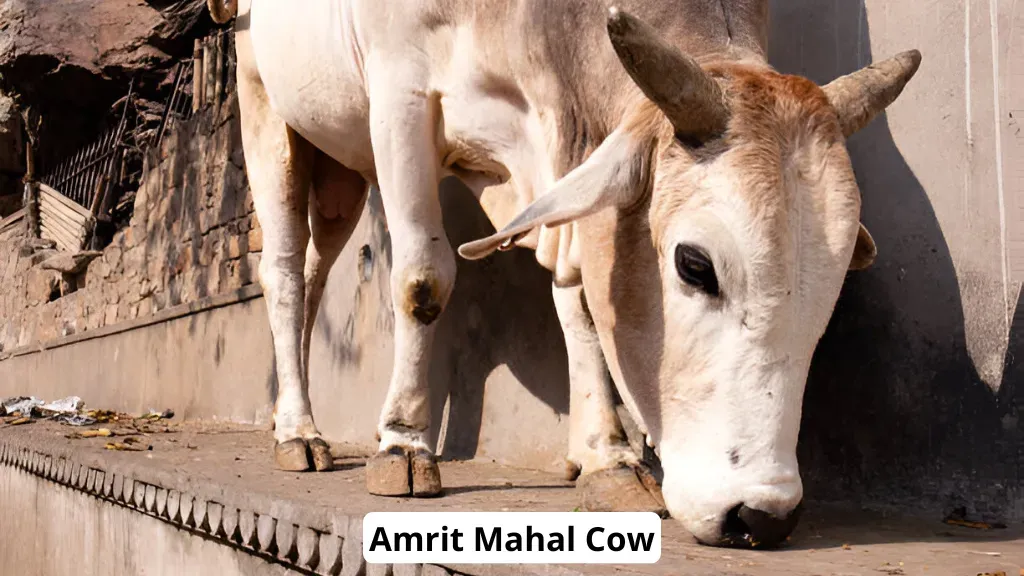
Origin: Karnataka
Synonyms: Doddadana, Jawari Dana
Lactation Period: Not significant for dairy use
Milk Yield: Very low, primarily draught breed
Speciality: Famous for speed and endurance, often used in military transport in olden days.
2. Hallikar
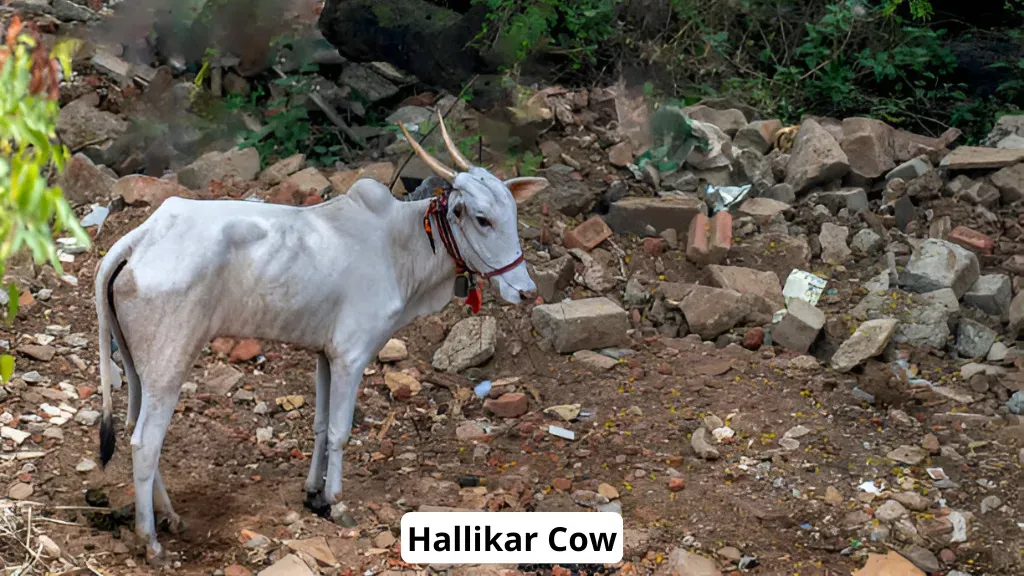
Origin: Karnataka (especially Tumkur & Hassan districts)
Synonyms: Halli, Mysore breed
Lactation Period: Minimal
Milk Yield: About 500–700 liters per lactation
Speciality: Extremely sturdy—ideal for ploughing rocky and uneven terrains.
3. Khillari
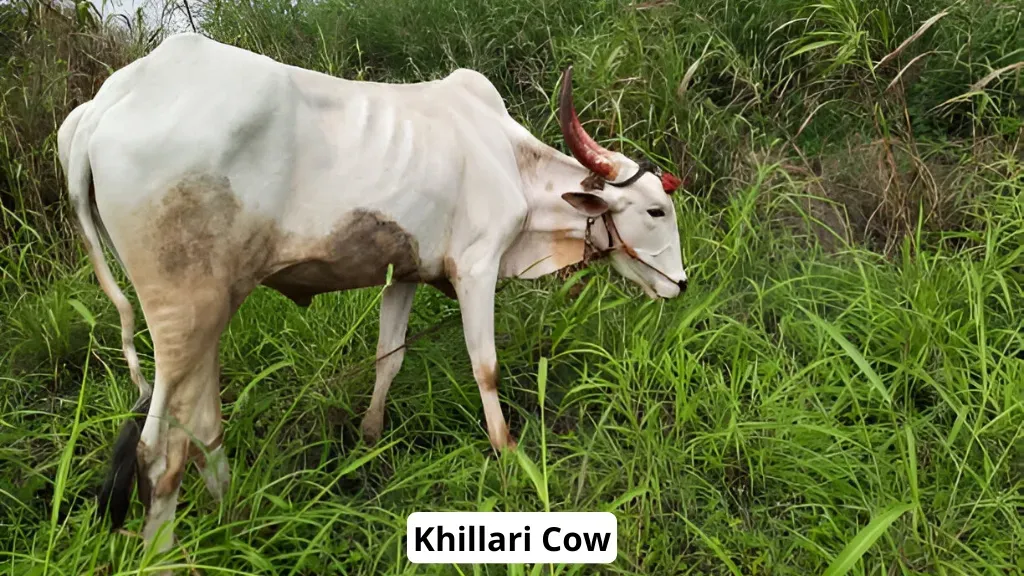
Origin: Maharashtra (Satara, Sangli districts)
Synonyms: Mhaswad Khillari
Lactation Period: Very short
Milk Yield: Around 500 liters per lactation
Speciality: Recognized for speed and stamina, often seen in bullock cart races.
4. Kangayam
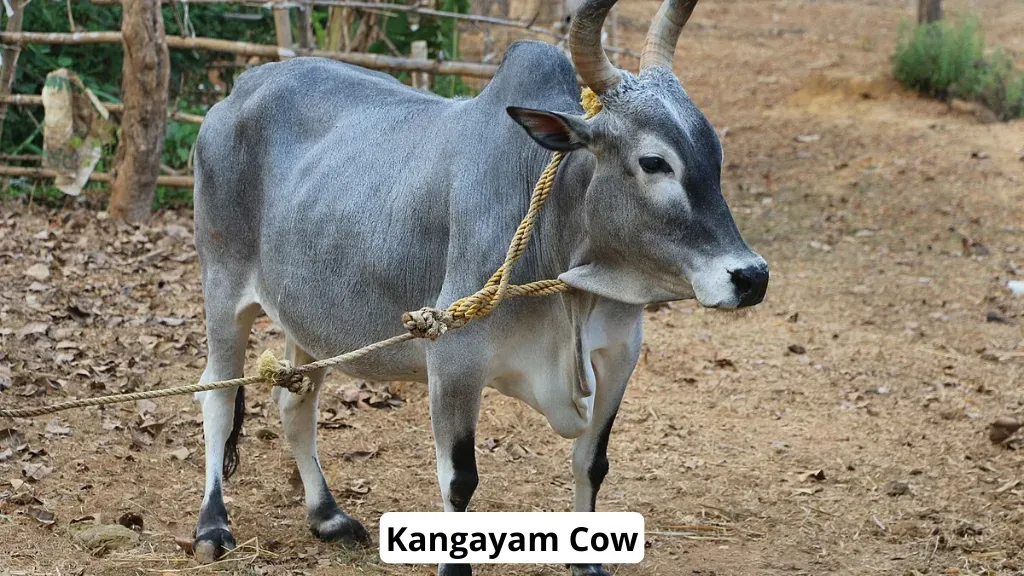
Origin: Tamil Nadu (Coimbatore, Erode regions)
Synonyms: Kongu breed
Lactation Period: Minimal
Milk Yield: Around 600–800 liters per lactation
Speciality: Compact, strong, and muscular—farmers love them for heavy draught work.
5. Vechur
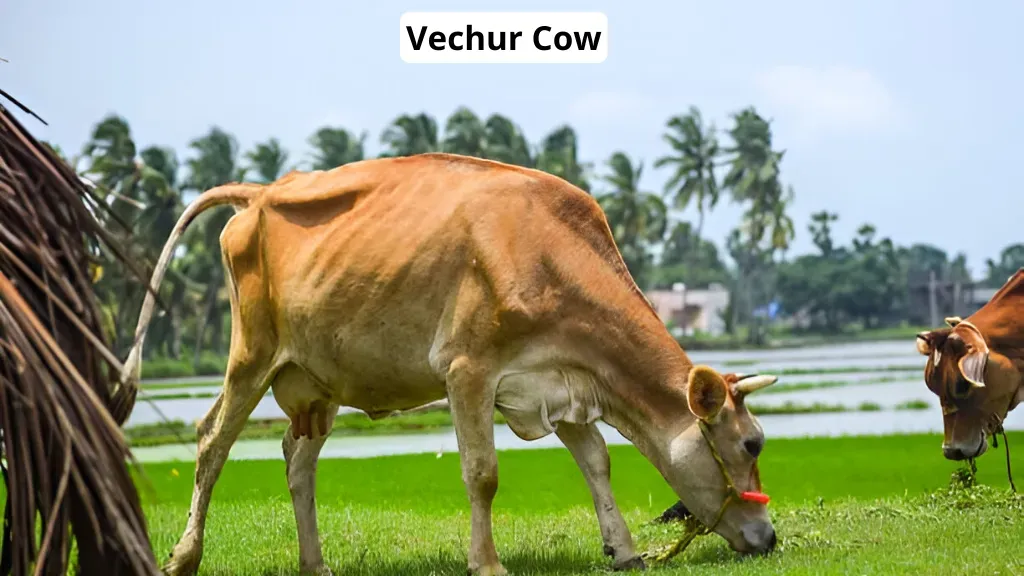
Origin: Kerala
Synonyms: Dwarf cattle
Lactation Period: 200–250 days
Milk Yield: 400–500 liters per lactation (but milk is very high in medicinal value!)
Speciality: Smallest cow breed in the world, highly disease-resistant.
6. Umblacherry
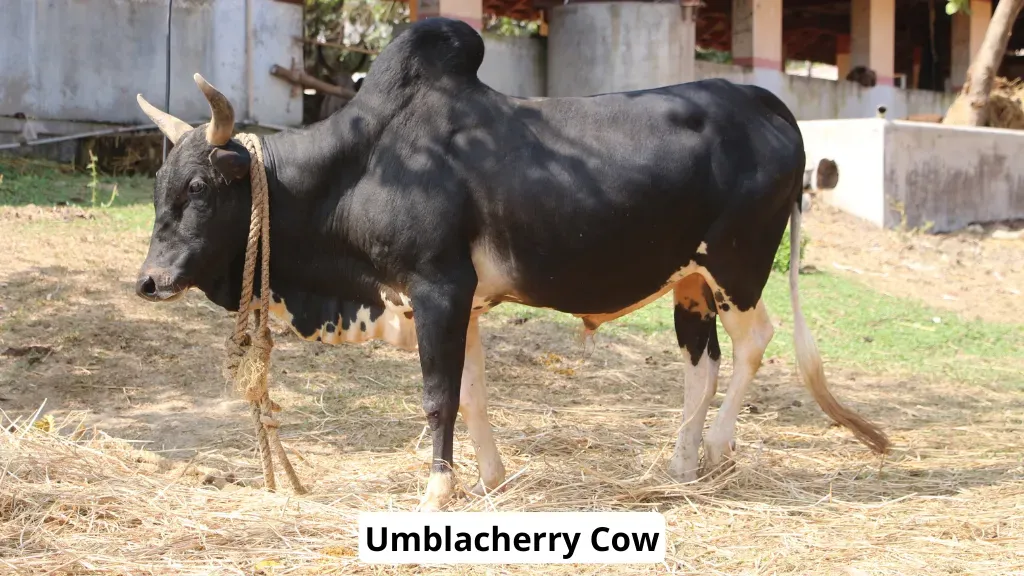
Origin: Tamil Nadu (Nagapattinam district)
Synonyms: Jathi madu
Lactation Period: Very short
Milk Yield: 500–600 liters per lactation
Speciality: Medium-sized, perfect for light agricultural work and cart pulling.
7. Bargur
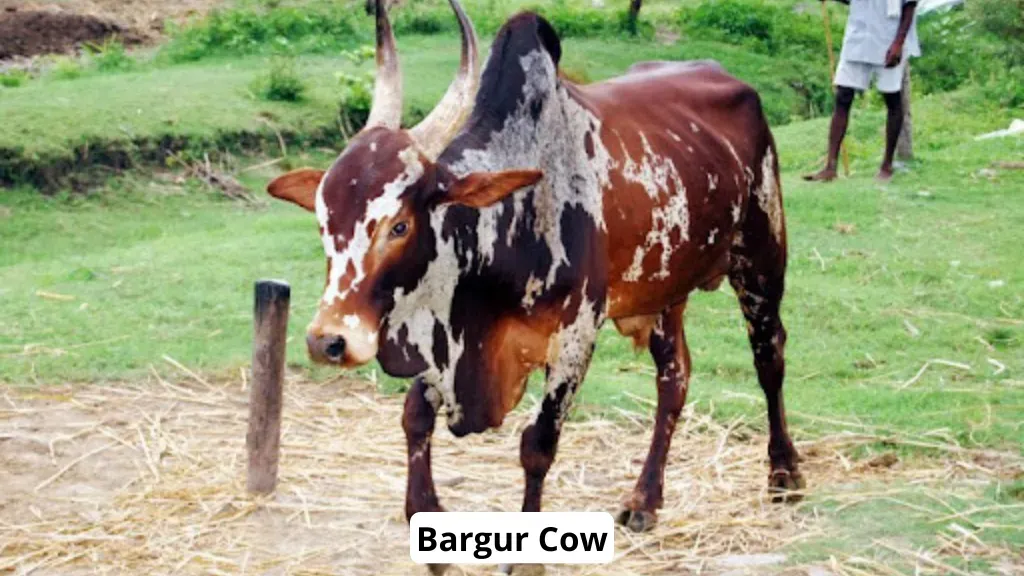
Origin: Tamil Nadu (Erode district, Bargur hills)
Synonyms: Bargur hill cattle
Lactation Period: Negligible
Milk Yield: 400–500 liters per lactation
Speciality: Excellent for working in hilly terrains, very active and aggressive by nature.
Best Dual-Purpose Breeds of Cattles in India
1. Ongole
Origin: Andhra Pradesh (Prakasam district)
Synonyms: Nellore cattle
Lactation Period: 280–300 days
Milk Yield: 1,000–1,200 liters per lactation
Speciality: Known for strength, disease resistance, and even exported to Brazil for cross-breeding.
2. Deoni
Origin: Maharashtra (Latur, Osmanabad districts)
Synonyms: Dongari, Deccani
Lactation Period: 280 days
Milk Yield: 1,000–1,200 liters per lactation
Speciality: Hardy and tolerant to harsh weather, suitable for both ploughing and milking.
3. Kankrej
Origin: Gujarat and Rajasthan (Kankrej region)
Synonyms: Wadhiar, Bannai
Lactation Period: 270–290 days
Milk Yield: 1,200–1,400 liters per lactation
Speciality: Very popular in cattle fairs; strong, good draught capacity, and steady milk producers.
4. Tharparkar
Origin: Rajasthan (Thar desert)
Synonyms: White Sindhi, Grey Sindhi
Lactation Period: 280–300 days
Milk Yield: 1,700–1,800 liters per lactation
Speciality: Heat and drought resistant—lifesaver in desert climates.
5. Hariana
Origin: Haryana
Synonyms: Hansi cattle
Lactation Period: 250–275 days
Milk Yield: 600–800 liters per lactation
Speciality: Slim but powerful; excellent ploughing breed with moderate milk yield.
Exotic Breeds of Cattles in India
1. Jersey
Origin: Jersey Island (UK)
Synonyms: Channel Island cattle
Lactation Period: 280–300 days
Milk Yield: 4,000–5,000 liters per lactation
Speciality: Known for rich, creamy milk with high butterfat (perfect for ghee and sweets).
2. Holstein Friesian
Origin: Netherlands
Synonyms: HF cattle
Lactation Period: 305 days
Milk Yield: 6,000–7,000 liters per lactation
Speciality: The best cow breed in India for large-scale dairy farming due to its unmatched milk output.
3. Brown Swiss
Origin: Switzerland
Synonyms: Braunvieh
Lactation Period: 300–310 days
Milk Yield: 4,000–5,500 liters per lactation
Speciality: Balanced milk with high protein and butterfat—ideal for cheese making.
4. Ayrshire
Origin: Scotland
Synonyms: Dunlop cattle
Lactation Period: 280–300 days
Milk Yield: 4,000–4,500 liters per lactation
Speciality: Hardy breed, adapts well to Indian climates, gives good quality milk.
5. Guernsey
Origin: Channel Islands (UK)
Synonyms: Golden Guernsey
Lactation Period: 280–290 days
Milk Yield: 3,000–4,500 liters per lactation
Speciality: Produces golden-yellow milk rich in beta-carotene (super healthy and attractive).
Important Facts About the Types of Cows in India
Sacred Value: In India, cows are more than livestock—they’re deeply tied to culture, tradition, and spirituality. The “Gau Mata” is worshipped and protected in many households.
Eco-Friendly Helpers: Desi cow breeds like Gir, Sahiwal, and Hallikar produce A2 milk, considered healthier and easier to digest compared to A1 milk from some exotic breeds.
Drought-Friendly Breeds: India’s native cattle are tough! Breeds like Amrit Mahal and Kangayam thrive even in hot, dry conditions where exotic cows might struggle.
Dual Benefits: Some Indian cattle breeds (like Ongole and Tharparkar) are “dual-purpose,” meaning they give good milk and are strong enough for fieldwork.
Global Fame: Breeds like Gir and Ongole are exported worldwide because of their adaptability and high-quality genetics.
Cow Dung Gold: Apart from milk, cows contribute to Indian households with gobar gas, natural fertilizers, and even medicinal uses in Ayurveda.
Conclusion
So, when we talk about the different types of cows in India, it’s not just about milk or farming—it’s about culture, resilience, and sustainability. From the high-yielding dairy stars like Sahiwal and Gir, to the tough-as-nails drought breeds like Hallikar and Kangayam, and the dual-purpose champs like Ongole and Tharparkar, every Indian cattle breed has a story to tell.
And yes, while exotic cows like Jersey and Holstein have carved their place in Indian dairies, our desi cow breeds remain unmatched for their adaptability and heritage value.
At the end of the day, whether you’re a farmer, a milk lover, or just curious about rural India, knowing the types of cows in India gives you a peek into how deeply animals shape our economy, food, and culture. Because here, cows aren’t just cattle, they’re family.
FAQs
1. How many types of cows are there in India?
India has over 50 recognized indigenous cattle breeds, broadly classified into dairy, drought, and dual-purpose breeds.
2. Which is the best cow breed in India for milk?
The Gir and Sahiwal breeds are considered the best desi cow breeds for high milk yield.
3. What are desi cow breeds?
Desi cow breeds are native Indian cattle varieties like Red Sindhi, Tharparkar, and Kankrej—known for adaptability and resilience.
4. Which exotic cow breeds are found in India?
Popular exotic breeds in India include Jersey, Holstein Friesian, Brown Swiss, Ayrshire, and Guernsey.
5. Why are Indian cattle breeds important?
They provide milk, draught power, and cultural value, and are more disease-resistant compared to exotic breeds.
When you think of India, what comes to mind? Spices, festivals, Bollywood? Well, let me add one more to that list—cows! Not just any cows, but the incredible variety that makes up the backbone of India’s agriculture and dairy industry. From the desi cow breeds that have been here for centuries to the exotic ones that joined later, our country is home to some of the most diverse and fascinating cattle you’ll ever meet.
In fact, the sheer types of cows in India will surprise you—some are known for giving rich, creamy milk, some for their unmatched strength in fields, and some that balance both (the true multitaskers!). If you’ve ever wondered which is the best cow breed in India for dairy or what unique cow variety in India thrives where, you’re in for a treat.
So, let’s dive into the world of Indian cattle breeds—classified into dairy, draught, and dual-purpose—with a sprinkle of history, interesting facts, and yes, even their “milk CVs” (because, let’s be honest, we all want to know about that yield ).
Classification of Indian Cattle Breeds
India doesn’t just have “one type” of cow; it’s a full-blown dairy directory out here! Broadly, the different types of cows in India can be classified into three categories:
Best Dairy Breeds of Cattle in India – These are the superstar milk producers, known for their high yield and quality. If you’ve ever enjoyed a creamy cup of chai, chances are it came from one of these cows.
Best Draught Breeds of Cattle in India – Not every cow is about milk. Some are the farmers’ true companions—tough, resilient, and strong, perfect for ploughing fields and pulling carts.
Best Dual-Purpose Breeds of Cattle in India – Think of these as the multitasking moms. They provide good milk while also being sturdy enough to help with draught work.
And yes, apart from our beloved desi cow breeds, we also have exotic breeds of cattle in India—imported varieties that adapt well to Indian conditions and give impressive yields.
Best Dairy Breeds of Cattle in India: Origin, Milk Yield, Lactation Period etc
When we talk about the best cow breed in India for dairy, these are the stars that come to mind. They’ve been loved by farmers for generations because of their adaptability, resilience, and of course, delicious, nutrient-rich milk.
1. Sahiwal

Origin: Punjab (India-Pakistan border region)
Synonyms: Lola, Montgomery, Multani
Lactation Period: Around 280–300 days
Milk Yield: 2,500–3,000 liters per lactation (some high performers go up to 4,000 liters!)
Fun fact: Known as one of the best desi cow breeds, Sahiwal cows are heat-tolerant and rarely fall sick.
2. Red Sindhi

Origin: Sindh region (now in Pakistan)
Synonyms: Malir, Karachi, Sindhi
Lactation Period: 270–300 days
Milk Yield: 1,700–2,600 liters per lactation
Fun fact: Their milk has high butterfat content, making them perfect for ghee and sweets.
3. Gir

Origin: Gir forest region of Gujarat
Synonyms: Kathiawari, Surati, Desan
Lactation Period: 300–320 days
Milk Yield: 2,000–3,500 liters per lactation
Fun fact: Gir cows are not just productive but also extremely affectionate—farmers often treat them like family pets.
Best Draught Breeds of Cattle in India
1. Amrit Mahal

Origin: Karnataka
Synonyms: Doddadana, Jawari Dana
Lactation Period: Not significant for dairy use
Milk Yield: Very low, primarily draught breed
Speciality: Famous for speed and endurance, often used in military transport in olden days.
2. Hallikar

Origin: Karnataka (especially Tumkur & Hassan districts)
Synonyms: Halli, Mysore breed
Lactation Period: Minimal
Milk Yield: About 500–700 liters per lactation
Speciality: Extremely sturdy—ideal for ploughing rocky and uneven terrains.
3. Khillari

Origin: Maharashtra (Satara, Sangli districts)
Synonyms: Mhaswad Khillari
Lactation Period: Very short
Milk Yield: Around 500 liters per lactation
Speciality: Recognized for speed and stamina, often seen in bullock cart races.
4. Kangayam

Origin: Tamil Nadu (Coimbatore, Erode regions)
Synonyms: Kongu breed
Lactation Period: Minimal
Milk Yield: Around 600–800 liters per lactation
Speciality: Compact, strong, and muscular—farmers love them for heavy draught work.
5. Vechur

Origin: Kerala
Synonyms: Dwarf cattle
Lactation Period: 200–250 days
Milk Yield: 400–500 liters per lactation (but milk is very high in medicinal value!)
Speciality: Smallest cow breed in the world, highly disease-resistant.
6. Umblacherry

Origin: Tamil Nadu (Nagapattinam district)
Synonyms: Jathi madu
Lactation Period: Very short
Milk Yield: 500–600 liters per lactation
Speciality: Medium-sized, perfect for light agricultural work and cart pulling.
7. Bargur

Origin: Tamil Nadu (Erode district, Bargur hills)
Synonyms: Bargur hill cattle
Lactation Period: Negligible
Milk Yield: 400–500 liters per lactation
Speciality: Excellent for working in hilly terrains, very active and aggressive by nature.
Best Dual-Purpose Breeds of Cattles in India
1. Ongole
Origin: Andhra Pradesh (Prakasam district)
Synonyms: Nellore cattle
Lactation Period: 280–300 days
Milk Yield: 1,000–1,200 liters per lactation
Speciality: Known for strength, disease resistance, and even exported to Brazil for cross-breeding.
2. Deoni
Origin: Maharashtra (Latur, Osmanabad districts)
Synonyms: Dongari, Deccani
Lactation Period: 280 days
Milk Yield: 1,000–1,200 liters per lactation
Speciality: Hardy and tolerant to harsh weather, suitable for both ploughing and milking.
3. Kankrej
Origin: Gujarat and Rajasthan (Kankrej region)
Synonyms: Wadhiar, Bannai
Lactation Period: 270–290 days
Milk Yield: 1,200–1,400 liters per lactation
Speciality: Very popular in cattle fairs; strong, good draught capacity, and steady milk producers.
4. Tharparkar
Origin: Rajasthan (Thar desert)
Synonyms: White Sindhi, Grey Sindhi
Lactation Period: 280–300 days
Milk Yield: 1,700–1,800 liters per lactation
Speciality: Heat and drought resistant—lifesaver in desert climates.
5. Hariana
Origin: Haryana
Synonyms: Hansi cattle
Lactation Period: 250–275 days
Milk Yield: 600–800 liters per lactation
Speciality: Slim but powerful; excellent ploughing breed with moderate milk yield.
Exotic Breeds of Cattles in India
1. Jersey
Origin: Jersey Island (UK)
Synonyms: Channel Island cattle
Lactation Period: 280–300 days
Milk Yield: 4,000–5,000 liters per lactation
Speciality: Known for rich, creamy milk with high butterfat (perfect for ghee and sweets).
2. Holstein Friesian
Origin: Netherlands
Synonyms: HF cattle
Lactation Period: 305 days
Milk Yield: 6,000–7,000 liters per lactation
Speciality: The best cow breed in India for large-scale dairy farming due to its unmatched milk output.
3. Brown Swiss
Origin: Switzerland
Synonyms: Braunvieh
Lactation Period: 300–310 days
Milk Yield: 4,000–5,500 liters per lactation
Speciality: Balanced milk with high protein and butterfat—ideal for cheese making.
4. Ayrshire
Origin: Scotland
Synonyms: Dunlop cattle
Lactation Period: 280–300 days
Milk Yield: 4,000–4,500 liters per lactation
Speciality: Hardy breed, adapts well to Indian climates, gives good quality milk.
5. Guernsey
Origin: Channel Islands (UK)
Synonyms: Golden Guernsey
Lactation Period: 280–290 days
Milk Yield: 3,000–4,500 liters per lactation
Speciality: Produces golden-yellow milk rich in beta-carotene (super healthy and attractive).
Important Facts About the Types of Cows in India
Sacred Value: In India, cows are more than livestock—they’re deeply tied to culture, tradition, and spirituality. The “Gau Mata” is worshipped and protected in many households.
Eco-Friendly Helpers: Desi cow breeds like Gir, Sahiwal, and Hallikar produce A2 milk, considered healthier and easier to digest compared to A1 milk from some exotic breeds.
Drought-Friendly Breeds: India’s native cattle are tough! Breeds like Amrit Mahal and Kangayam thrive even in hot, dry conditions where exotic cows might struggle.
Dual Benefits: Some Indian cattle breeds (like Ongole and Tharparkar) are “dual-purpose,” meaning they give good milk and are strong enough for fieldwork.
Global Fame: Breeds like Gir and Ongole are exported worldwide because of their adaptability and high-quality genetics.
Cow Dung Gold: Apart from milk, cows contribute to Indian households with gobar gas, natural fertilizers, and even medicinal uses in Ayurveda.
Conclusion
So, when we talk about the different types of cows in India, it’s not just about milk or farming—it’s about culture, resilience, and sustainability. From the high-yielding dairy stars like Sahiwal and Gir, to the tough-as-nails drought breeds like Hallikar and Kangayam, and the dual-purpose champs like Ongole and Tharparkar, every Indian cattle breed has a story to tell.
And yes, while exotic cows like Jersey and Holstein have carved their place in Indian dairies, our desi cow breeds remain unmatched for their adaptability and heritage value.
At the end of the day, whether you’re a farmer, a milk lover, or just curious about rural India, knowing the types of cows in India gives you a peek into how deeply animals shape our economy, food, and culture. Because here, cows aren’t just cattle, they’re family.
FAQs
1. How many types of cows are there in India?
India has over 50 recognized indigenous cattle breeds, broadly classified into dairy, drought, and dual-purpose breeds.
2. Which is the best cow breed in India for milk?
The Gir and Sahiwal breeds are considered the best desi cow breeds for high milk yield.
3. What are desi cow breeds?
Desi cow breeds are native Indian cattle varieties like Red Sindhi, Tharparkar, and Kankrej—known for adaptability and resilience.
4. Which exotic cow breeds are found in India?
Popular exotic breeds in India include Jersey, Holstein Friesian, Brown Swiss, Ayrshire, and Guernsey.
5. Why are Indian cattle breeds important?
They provide milk, draught power, and cultural value, and are more disease-resistant compared to exotic breeds.
Akshata

Akshata
Akshata

Subscribe to the Swasya
newsletter
Discover insights about sustainable farming, investment opportunities, and the future of agriculture.
By subscribing, you agree to the Privacy Policy

Subscribe to the Swasya
newsletter
Discover insights about sustainable farming, investment opportunities, and the future of agriculture.
By subscribing, you agree to the Privacy Policy

Subscribe to the Swasya
newsletter
Discover insights about sustainable farming, investment opportunities, and the future of agriculture.
By subscribing, you agree to the Privacy Policy