
Managed Farmland
Why to Invest in Managed Farmland In Swasya near Bangalore?
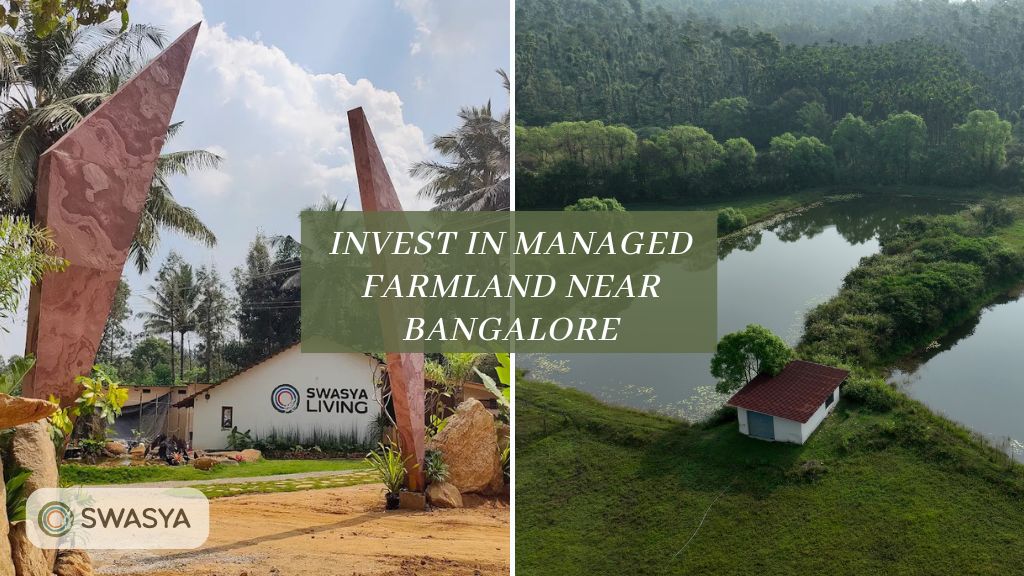
Are you tired of your diversify-your-portfolio talk always ending at 'Buy another 2BHK in Sarjapur'? In 2026, the real wealth isn't in concrete; it's in the soil. But how do you own a farm when you're busy at a 9-to-5 or living 10,000 miles away?
For most IT professionals in Bangalore or NRIs living in San Jose or Dubai, the dream of owning a lush green escape often dies at the thought of labor issues, water scarcity, and "land-grabbing" nightmares.
But what if you could own a thriving organic coffee estate in Sakleshpur or a fruit forest near Kanakapura without ever picking up a shovel?
Welcome to the world of Managed Farmland. In 2026, this isn't just a trend, it's the smartest way to diversify your portfolio. But why is everyone suddenly talking about it? Let's dig in.
In this guide, we’ll break down:
What managed farmland really is
Why investing in agricultural land is booming
Returns, risks, tax benefits, and future outlook
Why IT professionals & NRIs are quietly buying farm plots near Bangalore
And why Swasya near Bangalore stands out
What Is a Managed Farmland?
Think of managed farmland as "Agriculture-as-a-Service.” Managed farmland is agricultural land that you own, but a professional team manages everything—
Farming operations
Crop planning
Maintenance
Security
Water & irrigation
Marketing of produce (in some models)
So you’re the landowner and investor, not the daily farmer.
Managed Farmland vs Traditional Farmland
Feature | Traditional Farmland | Managed Farmland (2026) |
Effort | High (You are the farmer) | Zero (Professional management) |
Security | Vulnerable to encroachment | Gated, 24/7 surveillance |
Returns | Seasonal & Unpredictable | Multi-stream (Crops + Appreciation + Airbnb) |
Amenities | Just a fence (maybe) | Clubhouse, Pool, Sports Turf |
Why 2026 is the "Golden Year" for Organic Farm Investment?
Why now? Why not five years ago?
Post-Pandemic Shift: The "Work from Anywhere" culture has turned weekend getaways into "Work-from-Farm" realities.
The Organic Premium: The demand for traceable, organic produce has skyrocketed. Your land isn't just growing trees; it's growing "liquid gold."
Inflation Hedge: As the rupee fluctuates, land remains the only asset that "they aren't making any more of."
A Special Note for our NRI & IT Community
We get it. You’re busy scaling startups or managing global teams. You want an asset that doesn't require a weekly Zoom call to manage.
Managed farmland near Bangalore offers:
Tax-Free Income: Agricultural income in India is currently exempt from income tax under Section 10(1).
Generational Wealth: This isn't a 2-year flip; it's a 20-year legacy for your children.
A "Soul" Return: Can you really put a price on eating a mango grown on your own land?
Managed Farmland Bangalore: Why This Region Is a Hotspot
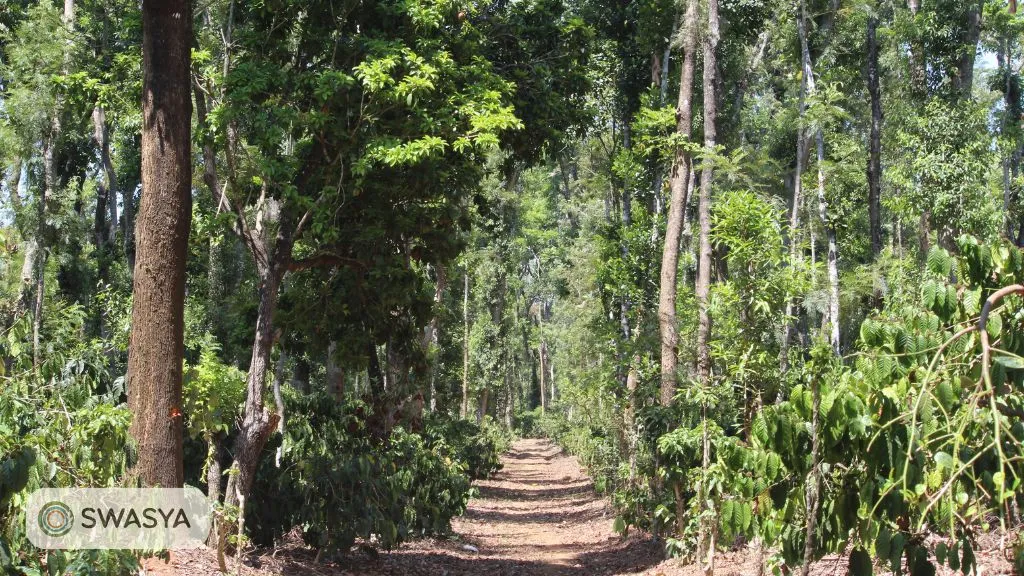
Bangalore outskirts (Kanakapura, Sakleshpur, Chikkaballapur, Ramanagara) are booming because:
Close to tech hubs
Better climate & rainfall
Growing eco-tourism & farm living trend
Infrastructure expansion (roads, highways, metro extensions)
This is exactly how Whitefield and Sarjapur appreciated, just earlier in the cycle.
How Returns Work in Managed Farmland?
1️. Land Appreciation
Historically, farmland in India has appreciated 8–15% annually depending on location.
2️. Crop Income (Optional Model)
Some managed farms offer:
Revenue sharing from crops
Lease income
Agro-tourism income
3️. Lifestyle Returns (Underrated but Real)
Weekend nature escape
Organic food supply
Family legacy asset
Not everything valuable shows up on Excel sheets.
How Managed Models Reduce Risks of Investing in Farmland?
Risk | Traditional Farmland | Managed Farmland Mitigation |
Title disputes | High | Legal due diligence & clear titles |
Maintenance | Owner-managed | Professional farm managers |
Water scarcity | Uncertain | Planned lakes, borewells, irrigation |
Market access | Difficult | Managed sales channels |
Absentee ownership issues | High | On-ground teams |
Legal Checklist: Don't Sign Anything Without These!
Before you invest, you must verify the land's DNA. Here is the legal checklist you can use:
Verify the RTC (Pahani): Check the current owner and land type on the Bhoomi Karnataka Portal. Does the seller's name match the digital record?
Check for Encumbrances: Ensure the land is free of loans via the Kaveri Online Services.
Digital Land Records: Cross-verify survey numbers on the Digital India Land Records (DILRMP) site.
Sale Agreement (also known as the Agreement to Sell) , your legal roadmap. Before the final Sale Deed is signed, the Sale Agreement locks in the terms. It is the "Roadmap" of your entire investment. In 2026, especially with digital land records, this document is your primary defense against price hikes or sellers backing out.
Use this to check the official Survey Sketch (Tippani) to ensure the boundaries you see are the boundaries you own.
The "Post-2020 Amendment" Guide: Is Your Land Safe?
Back in 2020, Karnataka scrapped Sections 79A & B, finally allowing non-farmers (like you) to own agricultural land. While there’s always 'political chatter' about re-introducing limits, Swasya protects you by ensuring every plot is fully mutated (Pahani/RTC) in your individual name immediately upon sale. By securing your 'Title of Possession' now, you are legally grandfathered in, making your investment virtually 'reversal-proof' regardless of future policy shifts.
Managed Farmland Investment Checklist (For Smart Buyers)
Ask these before buying:
Is the land agricultural or converted?
Is the title clear and litigation-free?
Water sources available? (lakes, borewell, rainwater harvesting)
Road access and connectivity?
Farm management company track record?
Exit liquidity? (resale demand)
If a project ticks most of these, good sign.
Why Invest in Managed Farmland in Swasya Near Bangalore
We at Swasya are known for our managed farmland projects Sannidhi Ecorfarms in Sakleshpur and Vana Vida near Kanakapura, which is our upcoming project with a similar philosophy.
Location Advantage
Near Bangalore (ideal for weekend access)
Close to forests and mountains
Strong rainfall and a natural water ecosystem
Nature-First Development
We focus on:
Preserving native trees
Organic farming practices
Lakes, green corridors, and biodiversity
Not concrete jungles pretending to be farmland.
Community Living Concept
Unlike isolated plots, our managed farmland communities offer:
Clubhouse & shared spaces
Security & gated layouts
Like-minded eco-conscious owners
Ideal for IT Professionals & NRIs
Hands-off ownership
Professional maintenance
Clear documentation & structured layouts
Potential long-term appreciation near a growing city
What Amenities does Swasya Offer?
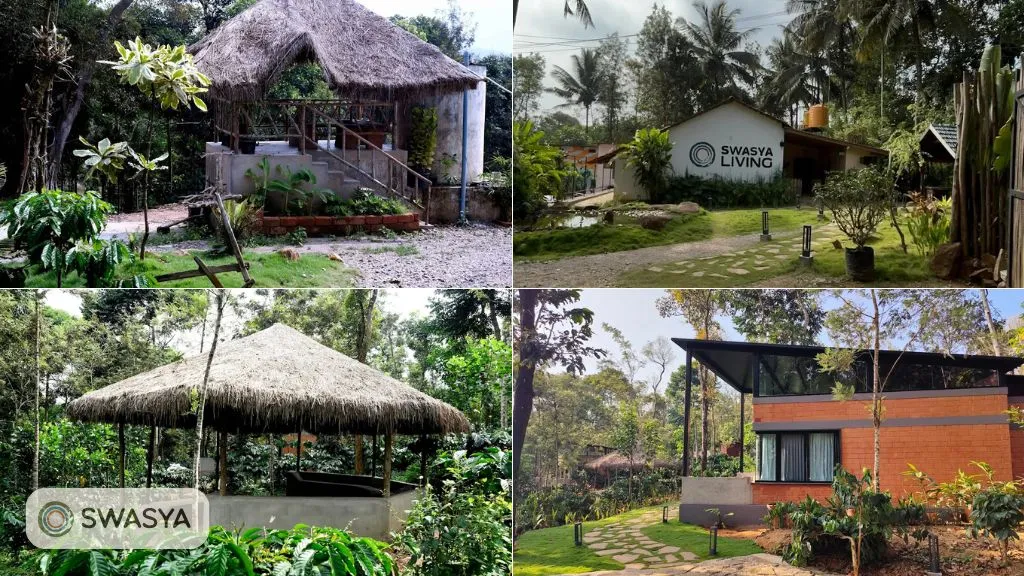
Feature | Raw Farmland near Bangalore | Swasya Managed Farmland |
Security | You need a full-time guard | 24/7 Gated Security & CCTV |
Water | DIY Borewell (High Risk) | Scientific Water Management |
Maintenance | Monthly headache | Managed by Experts |
Ownership | Complex Legal Entry | Simplified for IT/NRI Investors |
Clubhouse | None | 1/2 Acre Luxury Hub with Pet Pool & Gym |
Sports | None | Sports Turf, Indoor Sports |
Adventure | None | On-site Adventure Park & Nature Trails |
Hospitality | None | Farm-to-Table Restaurant & Amphitheater |
Managed Farmland vs Other Investments (2026 Perspective)
Asset | Risk Level | Returns | Effort | Emotional Value |
Stocks | High | High | Medium | Low |
Mutual Funds | Medium | Medium | Low | Low |
Apartments | Medium | Medium | Medium | Low |
Gold | Low | Low | None | Medium |
Managed Farmland | Medium | Medium–High | Very Low | Very High |
Farmland sits beautifully between investment and lifestyle.
Final Thoughts: Is Managed Farmland Worth It?
In a world of "digital assets" and "crypto-coins," there is something deeply grounding about owning a piece of the Earth. Whether you're looking for a high-yield asset or a place to escape the Bangalore traffic, managed farmland is the answer. If you’re looking only for quick flips, farmland may not be for you.
But if you want:
A tangible real asset
Inflation hedge
Lifestyle and legacy investment
Diversification beyond stocks and apartments
Managed farmland in 2026 is one of the smartest long-term plays in India.
And honestly, owning a piece of green earth while the world is drowning in concrete? That’s a flex money can’t fully quantify.
FAQs
1. Is managed farmland a good investment in India?
Yes, managed farmland offers land appreciation, diversification, and lifestyle benefits. It is especially attractive for urban investors who don’t want to manage farming themselves.
2. Can IT professionals buy agricultural land in India?
Yes, Indian citizens can buy agricultural land, but rules vary by state. Always check local land laws and consult legal experts.
3. Is farmland near Bangalore expensive?
Prices vary widely depending on distance, water availability, and infrastructure. However, outskirts like Kanakapura and Sakleshpur are still relatively affordable compared to city real estate.
4. What returns can I expect from managed farmland?
Returns come from land appreciation (8–15% annually historically), crop income (optional), and long-term capital growth.
5. Is managed farmland safe for NRIs?
Yes, NRIs can invest in agricultural land with proper legal compliance. Managed farmland reduces operational risk for absentee owners.
Are you tired of your diversify-your-portfolio talk always ending at 'Buy another 2BHK in Sarjapur'? In 2026, the real wealth isn't in concrete; it's in the soil. But how do you own a farm when you're busy at a 9-to-5 or living 10,000 miles away?
For most IT professionals in Bangalore or NRIs living in San Jose or Dubai, the dream of owning a lush green escape often dies at the thought of labor issues, water scarcity, and "land-grabbing" nightmares.
But what if you could own a thriving organic coffee estate in Sakleshpur or a fruit forest near Kanakapura without ever picking up a shovel?
Welcome to the world of Managed Farmland. In 2026, this isn't just a trend, it's the smartest way to diversify your portfolio. But why is everyone suddenly talking about it? Let's dig in.
In this guide, we’ll break down:
What managed farmland really is
Why investing in agricultural land is booming
Returns, risks, tax benefits, and future outlook
Why IT professionals & NRIs are quietly buying farm plots near Bangalore
And why Swasya near Bangalore stands out
What Is a Managed Farmland?
Think of managed farmland as "Agriculture-as-a-Service.” Managed farmland is agricultural land that you own, but a professional team manages everything—
Farming operations
Crop planning
Maintenance
Security
Water & irrigation
Marketing of produce (in some models)
So you’re the landowner and investor, not the daily farmer.
Managed Farmland vs Traditional Farmland
Feature | Traditional Farmland | Managed Farmland (2026) |
Effort | High (You are the farmer) | Zero (Professional management) |
Security | Vulnerable to encroachment | Gated, 24/7 surveillance |
Returns | Seasonal & Unpredictable | Multi-stream (Crops + Appreciation + Airbnb) |
Amenities | Just a fence (maybe) | Clubhouse, Pool, Sports Turf |
Why 2026 is the "Golden Year" for Organic Farm Investment?
Why now? Why not five years ago?
Post-Pandemic Shift: The "Work from Anywhere" culture has turned weekend getaways into "Work-from-Farm" realities.
The Organic Premium: The demand for traceable, organic produce has skyrocketed. Your land isn't just growing trees; it's growing "liquid gold."
Inflation Hedge: As the rupee fluctuates, land remains the only asset that "they aren't making any more of."
A Special Note for our NRI & IT Community
We get it. You’re busy scaling startups or managing global teams. You want an asset that doesn't require a weekly Zoom call to manage.
Managed farmland near Bangalore offers:
Tax-Free Income: Agricultural income in India is currently exempt from income tax under Section 10(1).
Generational Wealth: This isn't a 2-year flip; it's a 20-year legacy for your children.
A "Soul" Return: Can you really put a price on eating a mango grown on your own land?
Managed Farmland Bangalore: Why This Region Is a Hotspot
Bangalore outskirts (Kanakapura, Sakleshpur, Chikkaballapur, Ramanagara) are booming because:
Close to tech hubs
Better climate & rainfall
Growing eco-tourism & farm living trend
Infrastructure expansion (roads, highways, metro extensions)
This is exactly how Whitefield and Sarjapur appreciated, just earlier in the cycle.
How Returns Work in Managed Farmland?
1️. Land Appreciation
Historically, farmland in India has appreciated 8–15% annually depending on location.
2️. Crop Income (Optional Model)
Some managed farms offer:
Revenue sharing from crops
Lease income
Agro-tourism income
3️. Lifestyle Returns (Underrated but Real)
Weekend nature escape
Organic food supply
Family legacy asset
Not everything valuable shows up on Excel sheets.
How Managed Models Reduce Risks of Investing in Farmland?
Risk | Traditional Farmland | Managed Farmland Mitigation |
Title disputes | High | Legal due diligence & clear titles |
Maintenance | Owner-managed | Professional farm managers |
Water scarcity | Uncertain | Planned lakes, borewells, irrigation |
Market access | Difficult | Managed sales channels |
Absentee ownership issues | High | On-ground teams |
Legal Checklist: Don't Sign Anything Without These!
Before you invest, you must verify the land's DNA. Here is the legal checklist you can use:
Verify the RTC (Pahani): Check the current owner and land type on the Bhoomi Karnataka Portal. Does the seller's name match the digital record?
Check for Encumbrances: Ensure the land is free of loans via the Kaveri Online Services.
Digital Land Records: Cross-verify survey numbers on the Digital India Land Records (DILRMP) site.
Sale Agreement (also known as the Agreement to Sell) , your legal roadmap. Before the final Sale Deed is signed, the Sale Agreement locks in the terms. It is the "Roadmap" of your entire investment. In 2026, especially with digital land records, this document is your primary defense against price hikes or sellers backing out.
Use this to check the official Survey Sketch (Tippani) to ensure the boundaries you see are the boundaries you own.
The "Post-2020 Amendment" Guide: Is Your Land Safe?
Back in 2020, Karnataka scrapped Sections 79A & B, finally allowing non-farmers (like you) to own agricultural land. While there’s always 'political chatter' about re-introducing limits, Swasya protects you by ensuring every plot is fully mutated (Pahani/RTC) in your individual name immediately upon sale. By securing your 'Title of Possession' now, you are legally grandfathered in, making your investment virtually 'reversal-proof' regardless of future policy shifts.
Managed Farmland Investment Checklist (For Smart Buyers)
Ask these before buying:
Is the land agricultural or converted?
Is the title clear and litigation-free?
Water sources available? (lakes, borewell, rainwater harvesting)
Road access and connectivity?
Farm management company track record?
Exit liquidity? (resale demand)
If a project ticks most of these, good sign.
Why Invest in Managed Farmland in Swasya Near Bangalore
We at Swasya are known for our managed farmland projects Sannidhi Ecorfarms in Sakleshpur and Vana Vida near Kanakapura, which is our upcoming project with a similar philosophy.
Location Advantage
Near Bangalore (ideal for weekend access)
Close to forests and mountains
Strong rainfall and a natural water ecosystem
Nature-First Development
We focus on:
Preserving native trees
Organic farming practices
Lakes, green corridors, and biodiversity
Not concrete jungles pretending to be farmland.
Community Living Concept
Unlike isolated plots, our managed farmland communities offer:
Clubhouse & shared spaces
Security & gated layouts
Like-minded eco-conscious owners
Ideal for IT Professionals & NRIs
Hands-off ownership
Professional maintenance
Clear documentation & structured layouts
Potential long-term appreciation near a growing city
What Amenities does Swasya Offer?
Feature | Raw Farmland near Bangalore | Swasya Managed Farmland |
Security | You need a full-time guard | 24/7 Gated Security & CCTV |
Water | DIY Borewell (High Risk) | Scientific Water Management |
Maintenance | Monthly headache | Managed by Experts |
Ownership | Complex Legal Entry | Simplified for IT/NRI Investors |
Clubhouse | None | 1/2 Acre Luxury Hub with Pet Pool & Gym |
Sports | None | Sports Turf, Indoor Sports |
Adventure | None | On-site Adventure Park & Nature Trails |
Hospitality | None | Farm-to-Table Restaurant & Amphitheater |
Managed Farmland vs Other Investments (2026 Perspective)
Asset | Risk Level | Returns | Effort | Emotional Value |
Stocks | High | High | Medium | Low |
Mutual Funds | Medium | Medium | Low | Low |
Apartments | Medium | Medium | Medium | Low |
Gold | Low | Low | None | Medium |
Managed Farmland | Medium | Medium–High | Very Low | Very High |
Farmland sits beautifully between investment and lifestyle.
Final Thoughts: Is Managed Farmland Worth It?
In a world of "digital assets" and "crypto-coins," there is something deeply grounding about owning a piece of the Earth. Whether you're looking for a high-yield asset or a place to escape the Bangalore traffic, managed farmland is the answer. If you’re looking only for quick flips, farmland may not be for you.
But if you want:
A tangible real asset
Inflation hedge
Lifestyle and legacy investment
Diversification beyond stocks and apartments
Managed farmland in 2026 is one of the smartest long-term plays in India.
And honestly, owning a piece of green earth while the world is drowning in concrete? That’s a flex money can’t fully quantify.
FAQs
1. Is managed farmland a good investment in India?
Yes, managed farmland offers land appreciation, diversification, and lifestyle benefits. It is especially attractive for urban investors who don’t want to manage farming themselves.
2. Can IT professionals buy agricultural land in India?
Yes, Indian citizens can buy agricultural land, but rules vary by state. Always check local land laws and consult legal experts.
3. Is farmland near Bangalore expensive?
Prices vary widely depending on distance, water availability, and infrastructure. However, outskirts like Kanakapura and Sakleshpur are still relatively affordable compared to city real estate.
4. What returns can I expect from managed farmland?
Returns come from land appreciation (8–15% annually historically), crop income (optional), and long-term capital growth.
5. Is managed farmland safe for NRIs?
Yes, NRIs can invest in agricultural land with proper legal compliance. Managed farmland reduces operational risk for absentee owners.
Akshata
You Might Also Like




Subscribe to the Swasya
newsletter
Discover insights about sustainable farming, investment opportunities, and the future of agriculture.
By subscribing, you agree to the Privacy Policy
Subscribe to the Swasya
newsletter
Discover insights about sustainable farming, investment opportunities, and the future of agriculture.
By subscribing, you agree to the Privacy Policy