Farming
Permaculture Farming Guide: Definition, Principles & How to Start
25 May 2026
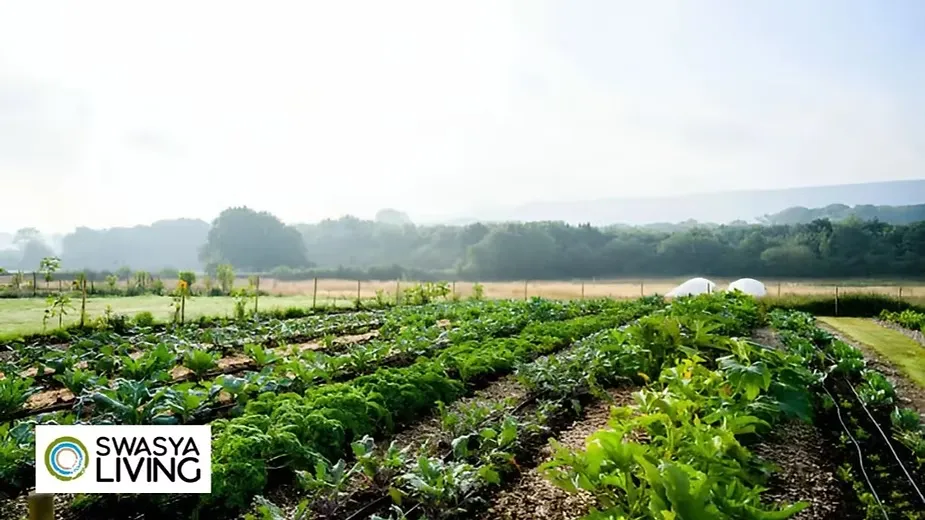
Have you ever walked into a thick forest and wondered, “Who waters these trees? Who fertilizes this soil?” Nobody does. Nature has its own "management team" that’s been working perfectly for millions of years. But for some reason, when we started farming, we thought we knew better. We cleared the land, sprayed chemicals, and fought against the environment.
At Swasya Living, we’re trying to unlearn that "conqueror" mindset. We’re big fans of permaculture farming because it’s basically a way of saying, “Hey Nature, you’re the boss. We’re just here to help.”
If you’ve been looking into sustainable living, you’ve probably seen the word "permaculture" pop up everywhere. But what is permaculture farming exactly? Is it just organic gardening with a fancy name? Not quite. Let’s dive into the dirt and see why this is the future of agriculture in India
Permaculture vs. Conventional Farming: Which is Better?
Feature | Conventional Farming | Permaculture Farming |
Philosophy | Controlling Nature | Working with Nature |
Diversity | Monoculture (One crop) | Polyculture (Many species) |
Inputs | Chemical Fertilizers & Pesticides | Compost, Mulch & Predators |
Waste | High (Runoff, plastic, etc.) | Zero (Waste is a resource) |
Labor | High (Tilling, weeding, spraying) | Smart (Design does the work) |
What is Permaculture in Agriculture?
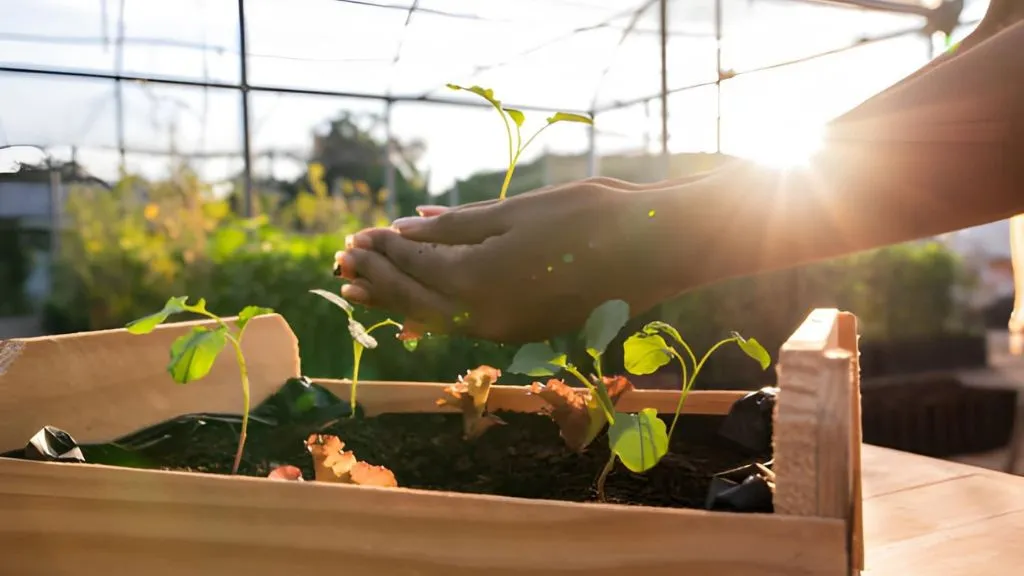
If I had to give you a permaculture definition in agriculture, it’s this: A design system that mimics natural ecosystems to create a self-sufficient, productive, and resilient farm.
The word itself comes from "Permanent Agriculture." It’s not just about growing tomatoes; it’s about how the tomatoes relate to the marigolds, how the water flows from the roof to the roots, and how the chickens till the soil for you. It’s an integrated web where everything has a job.
The Commandments: Permaculture Definition and Principles
Back in the 80s, David Holmgren laid out the permaculture definition and principles that guide us even today. At Swasya, we don't just memorize these; we live them on our managed farmlands.
Here are the big ones:
Observe and Interact: Spend a year just watching your land. Where does the sun hit in June? Where does the water pool in October? Don't rush to dig.
Catch and Store Energy: When it rains in Bangalore, it rains. Capture that water in ponds or tanks. Use solar panels. Don't let energy escape.
Produce No Waste: In nature, there is no such thing as "trash." A fallen leaf is fertilizer. Kitchen scraps are worm food.
Integrate Rather than Segregate: Put the chicken coop near the orchard. The chickens eat the pests and fertilize the trees. The trees provide shade for the chickens. teamwork!
Use Small and Slow Solutions: You don't need a massive tractor. Start with one small patch, get it right, and then expand.
What is Permaculture and How Does It Work in Practice?
I get asked this a lot: "Okay, but how do I actually start?" Well, what is permaculture and how does it work on a real plot? It’s all about Zoning.
Zone 0: Your house (the center).
Zone 1: Things you need daily (herbs, salad greens, the kitchen garden).
Zone 2: Perennial plants and small livestock (orchards, chickens, berries).
Zone 3: Main crops and large animals (timber, grains, cows).
Zone 4/5: The "Wild" zone. We leave a part of the land untouched so local birds and insects can thrive. This "wild" area actually protects your farm by hosting natural predators like owls and ladybugs.
Why Should You Care? (The Benefits)
Zero Chemical Resistance: Because you aren't using pesticides, you don't create "super-bugs." Your farm develops its own immune system.
Better Health: No chemicals in the soil means no chemicals in your food. It’s that simple.
Resilience: If one crop fails because of a weird weather shift, you have ten others that might thrive. You aren't putting all your eggs in one basket.
Cost Savings: No more buying expensive NPK bags or seeds. You save your own seeds and make your own manure.
Ready to Start Your Permaculture Journey?
At the end of the day, permaculture farming is about being a good neighbor to the planet. We are merely a part of the earth, not its conquerors. When we protect the soil, the soil protects us.
At Swasya Living, we’re building these ecosystems every day. Whether you’re looking to invest in a managed farm or just want to start a small patch at home, remember: observe first, act slow, and let nature do the heavy lifting.
FAQs
1: Is permaculture more expensive than organic farming?
Initially, the design phase might take more time (and a bit of thought), but in the long run, it’s much cheaper. You stop buying inputs and let the system feed itself.
2: Can I do permaculture on a small balcony?
why not? Use vertical planters, start a worm bin (vermicompost) for your waste, and grow herbs that support each other. The principles are the same whether it’s 10 sq. ft. or 10 acres.
3: How is it different from "Sustainable Farming"?
Sustainable farming usually means "doing less harm." Permaculture is regenerative, it actually makes the land better, richer, and more fertile than how you found it.
4: How long does it take to see results?
Trees take time to grow, but you’ll see the soil health change within a single season. By year three, the system usually starts "coasting" on its own.
5: What is the biggest challenge?
Our own "urban brain." We want things to look neat and tidy. A permaculture farm looks a bit "wild" because it is wild. You have to learn to love a little bit of beautiful chaos.
Have you ever walked into a thick forest and wondered, “Who waters these trees? Who fertilizes this soil?” Nobody does. Nature has its own "management team" that’s been working perfectly for millions of years. But for some reason, when we started farming, we thought we knew better. We cleared the land, sprayed chemicals, and fought against the environment.
At Swasya Living, we’re trying to unlearn that "conqueror" mindset. We’re big fans of permaculture farming because it’s basically a way of saying, “Hey Nature, you’re the boss. We’re just here to help.”
If you’ve been looking into sustainable living, you’ve probably seen the word "permaculture" pop up everywhere. But what is permaculture farming exactly? Is it just organic gardening with a fancy name? Not quite. Let’s dive into the dirt and see why this is the future of agriculture in India
Permaculture vs. Conventional Farming: Which is Better?
Feature | Conventional Farming | Permaculture Farming |
Philosophy | Controlling Nature | Working with Nature |
Diversity | Monoculture (One crop) | Polyculture (Many species) |
Inputs | Chemical Fertilizers & Pesticides | Compost, Mulch & Predators |
Waste | High (Runoff, plastic, etc.) | Zero (Waste is a resource) |
Labor | High (Tilling, weeding, spraying) | Smart (Design does the work) |
What is Permaculture in Agriculture?
If I had to give you a permaculture definition in agriculture, it’s this: A design system that mimics natural ecosystems to create a self-sufficient, productive, and resilient farm.
The word itself comes from "Permanent Agriculture." It’s not just about growing tomatoes; it’s about how the tomatoes relate to the marigolds, how the water flows from the roof to the roots, and how the chickens till the soil for you. It’s an integrated web where everything has a job.
The Commandments: Permaculture Definition and Principles
Back in the 80s, David Holmgren laid out the permaculture definition and principles that guide us even today. At Swasya, we don't just memorize these; we live them on our managed farmlands.
Here are the big ones:
Observe and Interact: Spend a year just watching your land. Where does the sun hit in June? Where does the water pool in October? Don't rush to dig.
Catch and Store Energy: When it rains in Bangalore, it rains. Capture that water in ponds or tanks. Use solar panels. Don't let energy escape.
Produce No Waste: In nature, there is no such thing as "trash." A fallen leaf is fertilizer. Kitchen scraps are worm food.
Integrate Rather than Segregate: Put the chicken coop near the orchard. The chickens eat the pests and fertilize the trees. The trees provide shade for the chickens. teamwork!
Use Small and Slow Solutions: You don't need a massive tractor. Start with one small patch, get it right, and then expand.
What is Permaculture and How Does It Work in Practice?
I get asked this a lot: "Okay, but how do I actually start?" Well, what is permaculture and how does it work on a real plot? It’s all about Zoning.
Zone 0: Your house (the center).
Zone 1: Things you need daily (herbs, salad greens, the kitchen garden).
Zone 2: Perennial plants and small livestock (orchards, chickens, berries).
Zone 3: Main crops and large animals (timber, grains, cows).
Zone 4/5: The "Wild" zone. We leave a part of the land untouched so local birds and insects can thrive. This "wild" area actually protects your farm by hosting natural predators like owls and ladybugs.
Why Should You Care? (The Benefits)
Zero Chemical Resistance: Because you aren't using pesticides, you don't create "super-bugs." Your farm develops its own immune system.
Better Health: No chemicals in the soil means no chemicals in your food. It’s that simple.
Resilience: If one crop fails because of a weird weather shift, you have ten others that might thrive. You aren't putting all your eggs in one basket.
Cost Savings: No more buying expensive NPK bags or seeds. You save your own seeds and make your own manure.
Ready to Start Your Permaculture Journey?
At the end of the day, permaculture farming is about being a good neighbor to the planet. We are merely a part of the earth, not its conquerors. When we protect the soil, the soil protects us.
At Swasya Living, we’re building these ecosystems every day. Whether you’re looking to invest in a managed farm or just want to start a small patch at home, remember: observe first, act slow, and let nature do the heavy lifting.
FAQs
1: Is permaculture more expensive than organic farming?
Initially, the design phase might take more time (and a bit of thought), but in the long run, it’s much cheaper. You stop buying inputs and let the system feed itself.
2: Can I do permaculture on a small balcony?
why not? Use vertical planters, start a worm bin (vermicompost) for your waste, and grow herbs that support each other. The principles are the same whether it’s 10 sq. ft. or 10 acres.
3: How is it different from "Sustainable Farming"?
Sustainable farming usually means "doing less harm." Permaculture is regenerative, it actually makes the land better, richer, and more fertile than how you found it.
4: How long does it take to see results?
Trees take time to grow, but you’ll see the soil health change within a single season. By year three, the system usually starts "coasting" on its own.
5: What is the biggest challenge?
Our own "urban brain." We want things to look neat and tidy. A permaculture farm looks a bit "wild" because it is wild. You have to learn to love a little bit of beautiful chaos.
Akshata
You Might Also Like



Subscribe to the Swasya
newsletter
Discover insights about sustainable farming, investment opportunities, and the future of agriculture.
By subscribing, you agree to the Privacy Policy
Subscribe to the Swasya
newsletter
Discover insights about sustainable farming, investment opportunities, and the future of agriculture.
By subscribing, you agree to the Privacy Policy