Farming
Polyhouse Farming in India: Benefits, Types, Setup Cost in India
28 Jan 2026
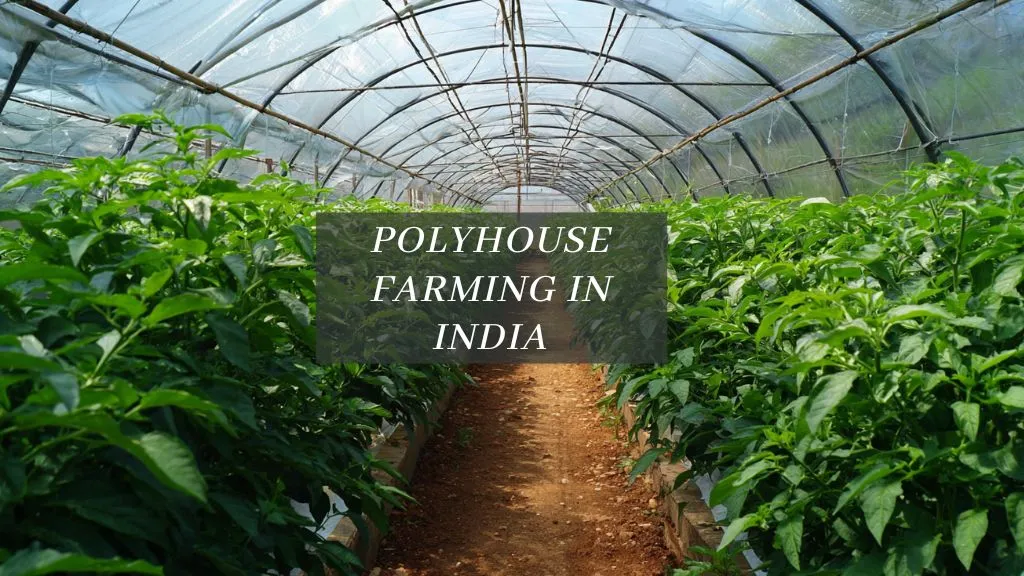
Polyhouse farming in India is changing the game for farmers who want better yields and year-round crop production. By growing vegetables, flowers, and fruits under a controlled structure, farmers can beat the weather, pests, and seasonal challenges.
I’ve seen firsthand how even a small polyhouse can multiply output and profits, especially when you know the polyhouse cost per acre and plan smartly. With polyhouse construction cost and subsidies available in Karnataka, it’s easier than ever to make this modern farming technique work for you.
What are the Benefits of Polyhouse Farming?
Polyhouse farming is not just about sheltering crops, it’s about controlling nature itself. From what I’ve seen, the difference is huge. Here’s why:
Higher Yield: Crops grow 5–10x faster than open-field farming. You literally get more produce in less space.
Off-Season Production: Cucumbers, tomatoes, and capsicum don’t have to wait for summer or monsoon—they grow whenever you want.
Water Efficiency: Drip irrigation and misting cut water usage by 60–70%. Perfect for drought-prone areas.
Pest & Disease Control: The structure blocks most insects and soil pathogens. Less chemical usage, more organic feel.
Precision Farming: Fertigation (fertilizer via water) gives plants exactly what they need. Better quality, less wastage.
Knowing the polyhouse cost for 1 acre in India is key before starting, because it helps you plan for all these benefits efficiently.
What are the Different Types of Polyhouses in India
Polyhouses differ in tech, cost, and purpose. Here’s a quick breakdown:
Type | Description | Best For |
Low-Cost / Naturally Ventilated | Bamboo/GI frame with UV-stabilized plastic. Relies on natural air vents | Small farmers, basic vegetables (Tomato, Capsicum) |
Medium-Tech / Semi-Automatic | Cooling pads, exhaust fans, misting systems | Floriculture (Roses, Gerbera), exotic veggies |
High-Tech / Fully Automatic | Computer-controlled light, CO2, nutrients. Often paired with hydroponics | High-value exports, strawberry cultivation, R&D |
Polyhouse Setup Cost in India (Approx. per Acre)
Costs vary a lot depending on type:
Low/Medium-Tech (Naturally Ventilated): ₹32–38 Lakh per acre
High-Tech (Fan & Pad System): ₹60–85 Lakh per acre
Shade Net House: ₹14–18 Lakh per acre
Operational Costs (Recurring): ₹4–7 Lakh/year per acre for seeds, fertilizer, electricity, and labor.
Knowing polyhouse farming cost per acre is important. It helps you plan ROI and investment strategy.
Government Subsidies & Financial Support
Good news, you don’t have to do it all alone. The Indian government supports polyhouse farming heavily:
Subsidies: 50–75% of project cost (some states, SC/ST farmers up to 90–95%)
Credit-Linked Subsidies: Back-ended; bank loans first, subsidy credited after project completion
Key Requirement: Letter of Intent (LOI) from NHB before construction
Polyhouse Subsidy in Karnataka: Specific state schemes make it easier to fund and scale
Profitable Crops in Polyhouses
Vegetables: Colored Capsicum, English Cucumber, Cherry Tomato, Broccoli
Flowers: Dutch Rose, Gerbera, Carnation, Orchids, Lilium
Fruits: Strawberry, Melons
The key is choosing crops that balance market demand with your polyhouse type.
Tips for Successful Polyhouse Farming
Keep an eye on temperature & humidity dail
Use fertigation smartly; don’t overfeed
Plan market linkages before harvesting
Start small, scale gradually once profits are clear
Track ROI considering polyhouse construction cost
Conclusion
Polyhouse farming in India is a game-changer if you want better yields, year-round produce, and smart water use. Sure, initial investment can be high, but subsidies, proper planning, and crop choice make it profitable. I’ve seen even small polyhouses turn into a steady income source, with better quality veggies and flowers. For anyone looking to start sustainable farming or add value to their land, polyhouse farming is a thoughtful step forward.
At Swasya Living, we encourage eco-conscious and modern farming practices. Our community-inspired approach helps you connect with nature while maximizing productivity and lifestyle benefits.
FAQs
1. What is polyhouse farming?
Polyhouse farming is growing crops under a protective structure with controlled environment. Helps grow off-season and increases yield.
2. How much does polyhouse cost per acre in India?
Depends on type: ₹32–38 Lakh (low/medium) to ₹60–85 Lakh (high-tech). Operational costs ~₹4–7 Lakh/year.
3. Are there subsidies for polyhouses in Karnataka?
Yes! 50–75% subsidy (some cases up to 90–95%) via NHB or state schemes.
4. What crops can I grow in a polyhouse?
Vegetables (Capsicum, Tomato), flowers (Roses, Gerbera), fruits (Strawberry, Melons).
5. Is polyhouse farming profitable?
Yes, if planned properly. Off-season production, higher yield, and market linkage make it profitable.
Polyhouse farming in India is changing the game for farmers who want better yields and year-round crop production. By growing vegetables, flowers, and fruits under a controlled structure, farmers can beat the weather, pests, and seasonal challenges.
I’ve seen firsthand how even a small polyhouse can multiply output and profits, especially when you know the polyhouse cost per acre and plan smartly. With polyhouse construction cost and subsidies available in Karnataka, it’s easier than ever to make this modern farming technique work for you.
What are the Benefits of Polyhouse Farming?
Polyhouse farming is not just about sheltering crops, it’s about controlling nature itself. From what I’ve seen, the difference is huge. Here’s why:
Higher Yield: Crops grow 5–10x faster than open-field farming. You literally get more produce in less space.
Off-Season Production: Cucumbers, tomatoes, and capsicum don’t have to wait for summer or monsoon—they grow whenever you want.
Water Efficiency: Drip irrigation and misting cut water usage by 60–70%. Perfect for drought-prone areas.
Pest & Disease Control: The structure blocks most insects and soil pathogens. Less chemical usage, more organic feel.
Precision Farming: Fertigation (fertilizer via water) gives plants exactly what they need. Better quality, less wastage.
Knowing the polyhouse cost for 1 acre in India is key before starting, because it helps you plan for all these benefits efficiently.
What are the Different Types of Polyhouses in India
Polyhouses differ in tech, cost, and purpose. Here’s a quick breakdown:
Type | Description | Best For |
Low-Cost / Naturally Ventilated | Bamboo/GI frame with UV-stabilized plastic. Relies on natural air vents | Small farmers, basic vegetables (Tomato, Capsicum) |
Medium-Tech / Semi-Automatic | Cooling pads, exhaust fans, misting systems | Floriculture (Roses, Gerbera), exotic veggies |
High-Tech / Fully Automatic | Computer-controlled light, CO2, nutrients. Often paired with hydroponics | High-value exports, strawberry cultivation, R&D |
Polyhouse Setup Cost in India (Approx. per Acre)
Costs vary a lot depending on type:
Low/Medium-Tech (Naturally Ventilated): ₹32–38 Lakh per acre
High-Tech (Fan & Pad System): ₹60–85 Lakh per acre
Shade Net House: ₹14–18 Lakh per acre
Operational Costs (Recurring): ₹4–7 Lakh/year per acre for seeds, fertilizer, electricity, and labor.
Knowing polyhouse farming cost per acre is important. It helps you plan ROI and investment strategy.
Government Subsidies & Financial Support
Good news, you don’t have to do it all alone. The Indian government supports polyhouse farming heavily:
Subsidies: 50–75% of project cost (some states, SC/ST farmers up to 90–95%)
Credit-Linked Subsidies: Back-ended; bank loans first, subsidy credited after project completion
Key Requirement: Letter of Intent (LOI) from NHB before construction
Polyhouse Subsidy in Karnataka: Specific state schemes make it easier to fund and scale
Profitable Crops in Polyhouses
Vegetables: Colored Capsicum, English Cucumber, Cherry Tomato, Broccoli
Flowers: Dutch Rose, Gerbera, Carnation, Orchids, Lilium
Fruits: Strawberry, Melons
The key is choosing crops that balance market demand with your polyhouse type.
Tips for Successful Polyhouse Farming
Keep an eye on temperature & humidity dail
Use fertigation smartly; don’t overfeed
Plan market linkages before harvesting
Start small, scale gradually once profits are clear
Track ROI considering polyhouse construction cost
Conclusion
Polyhouse farming in India is a game-changer if you want better yields, year-round produce, and smart water use. Sure, initial investment can be high, but subsidies, proper planning, and crop choice make it profitable. I’ve seen even small polyhouses turn into a steady income source, with better quality veggies and flowers. For anyone looking to start sustainable farming or add value to their land, polyhouse farming is a thoughtful step forward.
At Swasya Living, we encourage eco-conscious and modern farming practices. Our community-inspired approach helps you connect with nature while maximizing productivity and lifestyle benefits.
FAQs
1. What is polyhouse farming?
Polyhouse farming is growing crops under a protective structure with controlled environment. Helps grow off-season and increases yield.
2. How much does polyhouse cost per acre in India?
Depends on type: ₹32–38 Lakh (low/medium) to ₹60–85 Lakh (high-tech). Operational costs ~₹4–7 Lakh/year.
3. Are there subsidies for polyhouses in Karnataka?
Yes! 50–75% subsidy (some cases up to 90–95%) via NHB or state schemes.
4. What crops can I grow in a polyhouse?
Vegetables (Capsicum, Tomato), flowers (Roses, Gerbera), fruits (Strawberry, Melons).
5. Is polyhouse farming profitable?
Yes, if planned properly. Off-season production, higher yield, and market linkage make it profitable.
Akshata
You Might Also Like





Subscribe to the Swasya
newsletter
Discover insights about sustainable farming, investment opportunities, and the future of agriculture.
By subscribing, you agree to the Privacy Policy
Subscribe to the Swasya
newsletter
Discover insights about sustainable farming, investment opportunities, and the future of agriculture.
By subscribing, you agree to the Privacy Policy