Farming
The Difference Between Agriculture & Horticulture! Which Field is Best?
9 Dec 2025
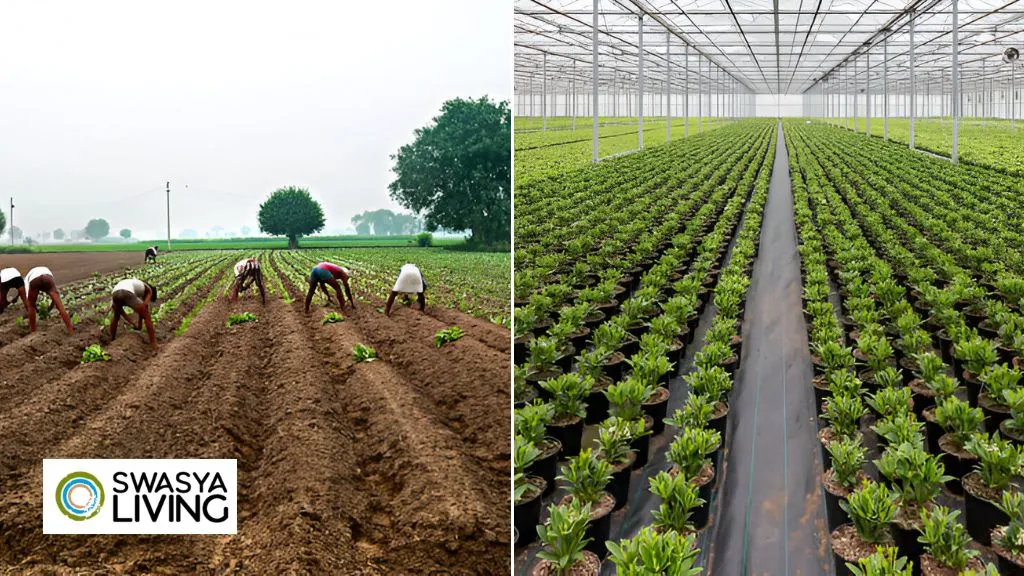
In the field of agricultural sciences, the practices of agriculture and horticulture are quite interdependent and very crucial in their own way in the production of food for humans and animals as well as keeping the ecosystem in check. Both of these deal with plants, however their aims, extent and approaches of the two practices are totally different.
In agriculture, crops and animal husbandry are practised on a commercial basis for food security concerns and future sustainability, on the other hand, horticulture has to do with the production of mainly horticultural crops, for instance, ornamental plants, vegetables, and fruits for small markets.
Understanding what is the difference between agriculture and horticulture or the importance of the two helps appreciate their importance much better. This article addresses these two practices concisely relating the extent of their differences and similarities. Continue reading to learn more about both fields with a few interesting points.
What is Agriculture?
Agriculture can be defined as growing plants and rearing animals for the use of food, fibre, and other products. It involves extensive processes such as cereal farming, animal husbandry, and even tree growing. To be able to produce enough to satisfy the demands for food and raw materials of the society, quite a few techniques of production are often used, which are industrial in nature.
Key Characteristics of Agriculture:
Scale
Commercial activity on a large scale that is characterised by the use of wide stretches of land or fields and machinery.
Diversity
It includes certain types of plants such as wheat, paddy, and maize, and also includes livestock rearing.
Objective
Mainly focused on manufacturing food and products in large quantities.
Scope
Includes crop science (field crops), livestock rearing and fisheries management.
What is Horticulture?
Horticulture is a distinct area in agriculture which deals with the production of fruits, vegetables, flowering and ornamental plants. It focuses on quality rather than quantity and is mostly done on smaller areas, for example gardens, greenhouses and orchards.
Key Characteristics of Horticulture:
Scale
Largely refers to intensive farming practices.
Focus
Focuses on appearance, crop diversity, and health-related factors.
Objective
The aim is to achieve superior-quality plants intended for use as food or ornamentation.
Scope
Includes pomology (growing of fruit), olericulture (growing of vegetables), and ornamental horticulture.
Understanding A Combined Agriculture and Horticulture Differences?
Key Difference | Agriculture | Horticulture |
Scale and Scope | encompasses vast areas of land | employs smaller, more intensively managed areas. |
Purpose | global activity | focuses on location or specific market aspects |
Methods | done by employing machinery most of the time | mostly involve hands on and precise methods. |
Applications | assures the availability of food through the provision of food staples, for example, grains, meat and dairy products | aids in healing through the consumption of nourishing fruits and vegetables, and embellishes residential spaces by use of decorative plants. |
Conclusion
People involved in agricultural practices around the world defend the confrontational and distinctive practices between agronomic crops and horticulture-omi. While agriculture is concerned with the execution of short-term
objective, requiring the production of primary food crops and animal husbandry for providence levels of population growth, horticulture is concerned with mining a profit rated market within the production of high value perishable crops that include vegetables, fruits, and decorative plants. Though agriculture is the most significant food-producing sector in the world, it is through horticulture that innovation and creativity are promoted, working together as modern agriculture
FAQs
1. What is agriculture and horticulture difference?
In agriculture, crops and animals are reared on a large scale for food, fodder and other products with an emphasis on raising many such products. Horticulture on the other hand is a branch of agriculture that deals with the growing of crops such as fruits, vegetables, flowers and ornamental plants with a high intensity which also caters for higher quality and diversity.
2. Are horticulture and agriculture the same?
Horticulture is not a separate branch of agriculture. While agriculture encompasses a wider scope of work such as maize farming or animal husbandry, horticulture deals only with the cultivation of high priced crops such as fruits, vegetables, and ornamental plants.
3. Which is more labour-intensive, agriculture or horticulture?
Tending to gardens has more to do with taking care of plants as they require a lot of detail to achieve quality results. Farming, on the other hand, is done on a larger scale and thus depends on machines to operate more efficiently.
4. What is the primary goal of agriculture and horticulture?
The main objective of agriculture is to provide food security to the population by practising advanced agriculture techniques on a commercial scale but in the case of horticulture, it focuses on fulfilling the needs of better food, beauty, and conservation.
5. How do agriculture and horticulture impact the environment?
Agriculture affects the environment on a larger scale where there are likely some potential negative aspects such as deforestation and soil degradation. In contrast, horticulture is usually practised on a smaller scale and as a result most of its practices tend to conserve and enhance biodiversity and sustainability.
In the field of agricultural sciences, the practices of agriculture and horticulture are quite interdependent and very crucial in their own way in the production of food for humans and animals as well as keeping the ecosystem in check. Both of these deal with plants, however their aims, extent and approaches of the two practices are totally different.
In agriculture, crops and animal husbandry are practised on a commercial basis for food security concerns and future sustainability, on the other hand, horticulture has to do with the production of mainly horticultural crops, for instance, ornamental plants, vegetables, and fruits for small markets.
Understanding what is the difference between agriculture and horticulture or the importance of the two helps appreciate their importance much better. This article addresses these two practices concisely relating the extent of their differences and similarities. Continue reading to learn more about both fields with a few interesting points.
What is Agriculture?
Agriculture can be defined as growing plants and rearing animals for the use of food, fibre, and other products. It involves extensive processes such as cereal farming, animal husbandry, and even tree growing. To be able to produce enough to satisfy the demands for food and raw materials of the society, quite a few techniques of production are often used, which are industrial in nature.
Key Characteristics of Agriculture:
Scale
Commercial activity on a large scale that is characterised by the use of wide stretches of land or fields and machinery.
Diversity
It includes certain types of plants such as wheat, paddy, and maize, and also includes livestock rearing.
Objective
Mainly focused on manufacturing food and products in large quantities.
Scope
Includes crop science (field crops), livestock rearing and fisheries management.
What is Horticulture?
Horticulture is a distinct area in agriculture which deals with the production of fruits, vegetables, flowering and ornamental plants. It focuses on quality rather than quantity and is mostly done on smaller areas, for example gardens, greenhouses and orchards.
Key Characteristics of Horticulture:
Scale
Largely refers to intensive farming practices.
Focus
Focuses on appearance, crop diversity, and health-related factors.
Objective
The aim is to achieve superior-quality plants intended for use as food or ornamentation.
Scope
Includes pomology (growing of fruit), olericulture (growing of vegetables), and ornamental horticulture.
Understanding A Combined Agriculture and Horticulture Differences?
Key Difference | Agriculture | Horticulture |
Scale and Scope | encompasses vast areas of land | employs smaller, more intensively managed areas. |
Purpose | global activity | focuses on location or specific market aspects |
Methods | done by employing machinery most of the time | mostly involve hands on and precise methods. |
Applications | assures the availability of food through the provision of food staples, for example, grains, meat and dairy products | aids in healing through the consumption of nourishing fruits and vegetables, and embellishes residential spaces by use of decorative plants. |
Conclusion
People involved in agricultural practices around the world defend the confrontational and distinctive practices between agronomic crops and horticulture-omi. While agriculture is concerned with the execution of short-term
objective, requiring the production of primary food crops and animal husbandry for providence levels of population growth, horticulture is concerned with mining a profit rated market within the production of high value perishable crops that include vegetables, fruits, and decorative plants. Though agriculture is the most significant food-producing sector in the world, it is through horticulture that innovation and creativity are promoted, working together as modern agriculture
FAQs
1. What is agriculture and horticulture difference?
In agriculture, crops and animals are reared on a large scale for food, fodder and other products with an emphasis on raising many such products. Horticulture on the other hand is a branch of agriculture that deals with the growing of crops such as fruits, vegetables, flowers and ornamental plants with a high intensity which also caters for higher quality and diversity.
2. Are horticulture and agriculture the same?
Horticulture is not a separate branch of agriculture. While agriculture encompasses a wider scope of work such as maize farming or animal husbandry, horticulture deals only with the cultivation of high priced crops such as fruits, vegetables, and ornamental plants.
3. Which is more labour-intensive, agriculture or horticulture?
Tending to gardens has more to do with taking care of plants as they require a lot of detail to achieve quality results. Farming, on the other hand, is done on a larger scale and thus depends on machines to operate more efficiently.
4. What is the primary goal of agriculture and horticulture?
The main objective of agriculture is to provide food security to the population by practising advanced agriculture techniques on a commercial scale but in the case of horticulture, it focuses on fulfilling the needs of better food, beauty, and conservation.
5. How do agriculture and horticulture impact the environment?
Agriculture affects the environment on a larger scale where there are likely some potential negative aspects such as deforestation and soil degradation. In contrast, horticulture is usually practised on a smaller scale and as a result most of its practices tend to conserve and enhance biodiversity and sustainability.
Akshata
You Might Also Like



Subscribe to the Swasya
newsletter
Discover insights about sustainable farming, investment opportunities, and the future of agriculture.
By subscribing, you agree to the Privacy Policy
Subscribe to the Swasya
newsletter
Discover insights about sustainable farming, investment opportunities, and the future of agriculture.
By subscribing, you agree to the Privacy Policy