Farming
Aeroponics Farming in India: Benefits, Cost & How It Works
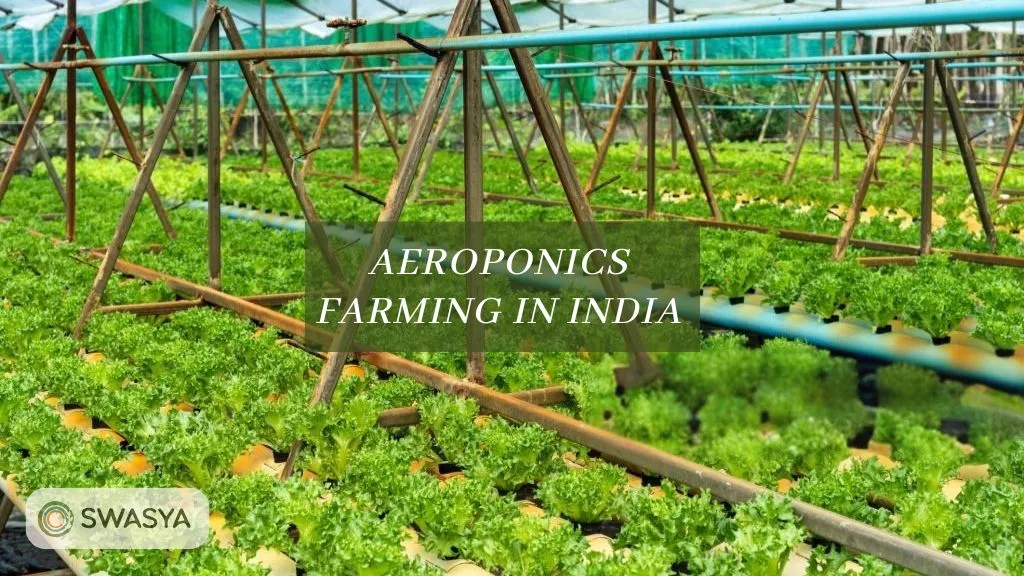
Aeroponics farming is basically growing plants without soil, with roots hanging in air and fed by a fine nutrient mist. Sounds futuristic, but aeroponic farming in India is very real now, especially with water shortages and demand for clean food rising fast.
If you’re wondering what is aeroponics farming and why everyone’s comparing it with hydroponic and aeroponic farming methods, this is it. Faster growth. Less water. Zero soil mess. Almost feels like farming upgraded itself.
What Is Aeroponics Farming?
Aeroponics farming is when plants are grown with their roots hanging freely in the air, not in soil and not even in water like hydroponics. A nutrient-rich mist is sprayed directly onto the roots at regular intervals. That’s it. Simple idea, powerful result.
Because the roots get oxygen, water, and nutrients all together, growth becomes crazy fast. This is why aeroponic agriculture is often called the most advanced form of soilless farming. In hydroponic and aeroponic farming comparisons, aeroponics usually wins on speed, water saving, and cleanliness. Less mess, more control, better yield.
Key Benefits of Aeroponic Farming in India
Honestly, this is why so many farmers and even city folks are getting curious.
Massive water saving
Aeroponic farming in India uses almost 90–95% less water than soil farming. In places where borewells are crying already, this matters a lot.
Faster plant growth
Plants grow almost 2–3x faster. Roots get full oxygen plus nutrients together..
No soil, no soil problems
No soil means no soil-borne diseases. That’s why pesticides are barely needed. Clean food, premium pricing.
Perfect for small spaces
Aeroponics vertical farming lets you grow more in less area. Rooftops, sheds, even warehouses work fine.
Better control, less guesswork
Everything is measured. pH, nutrients, mist cycles. Farming feels more like science, less like gambling with weather.
Aeroponics Estimated Setup Cost in India (2026)
Aeroponic farming isn’t cheap to start, but if you look at the returns, it starts making sense pretty quickly.
Here’s a simple breakdown for a 1,000 sq. ft. aeroponic farming setup in India:
Aeroponic system (towers/chambers): ₹3.5L – ₹5.5L
Structure (net house / polyhouse): ₹2.0L – ₹3.0L
Automation & sensors (pH, EC, climate controllers): ₹1.0L – ₹2.0L
Seeds, nutrients & first crop cycle: ₹20,000 – ₹30,000
Total initial investment: ~₹6.7L – ₹10.8L
Now, I know that sounds like a decent chunk of money. But here’s the thing, high-value crops like basil or lettuce can earn you around ₹9L – ₹12L per year from just that 1,000 sq. ft. space. So, if you manage it well and find buyers early, you could potentially break even in 1.5 to 2 years. Not bad for modern farming, huh?
Best Crops for Aeroponic Systems
Leafy greens – Lettuce (romaine, butterhead), spinach, kale, arugula.
Honestly, these are the safest bet. Fast growth, steady demand, and restaurants love them.Herbs – Basil (big winner), mint, coriander, rosemary.
Basil especially… one chef once told me he’d buy it every single week if quality stays consistent. That’s how good the demand is.Fruit vegetables – Cherry tomatoes, bell peppers, cucumbers.
Takes a little more care, but the yields are crazy when done right.Exotics – Strawberries, microgreens.
Slightly risky, yes. But when they work, margins are sweet.Medicinal plants – Tulsi, aloe vera.
Quietly growing market. Not flashy, but very stable.
Setup Guide: 5 Real Steps to Start Aeroponic Farming in India
1. Site selection
First thing I learnt, electricity is everything. Aeroponic farming runs on pumps. If power goes off for even 2 hours, roots dry up. Crop gone. So choose a place with 24/7 power, and honestly, keep a backup. Generator or inverter, non-negotiable.
2. Infrastructure matters more than aesthetics
India’s heat is no joke. A Naturally Ventilated Polyhouse works fine in most places, but if summers get brutal, climate-controlled greenhouse is safer. Shade and airflow saves your plants more than fancy equipment.
3. Choosing the system
You’ll see many options. A-frame systems are simple and good for beginners. Vertical towers save space and look cool too (bonus). For small land, aeroponics vertical farming makes more sense.
4. Nutrient management
This part needs attention. pH and EC must be checked regularly. A smart controller helps a lot. Guesswork doesn’t work here.
5. Market first, farming later
Big mistake people do, grow first, sell later. Don’t. Talk to restaurants, organic stores, clean-food buyers before planting. Demand decides everything.
Government Support, Subsidies & Loans for Aeroponics Farming
MIDH (Mission for Integrated Development of Horticulture)
• 40–50% subsidy on polyhouse / protected cultivation
• Aeroponics covered in many states under hi-tech farmingNational Horticulture Board (NHB)
• Financial support for soilless & protected farming systems
• Applied via state horticulture departmentsAgriculture Infrastructure Fund (AIF)
• Low-interest loans for automation, sensors, climate control
• Long repayment period (up to 10 years)State Government Schemes
• Extra incentives in states like Karnataka, Maharashtra, Telangana
• Focus on water-efficient & tech-driven farmingStartup / Agri-Innovation Grants
• Available if you register as an agri-startup
• Support for pilots, tech adoption, and scaling
Hydroponic vs Aeroponic Farming: Quick Comparison
Factor | Hydroponic Farming | Aeroponic Farming |
Growing Method | Roots submerged in nutrient-rich water | Roots suspended in air, misted with nutrients |
Water Usage | Low (uses ~70–80% less than soil) | Very low (up to 95% less than soil) |
Oxygen to Roots | Moderate | Very high (faster growth) |
Growth Speed | Fast | Faster |
Yield | High | Very high per sq ft |
System Cost | Medium | Higher (advanced tech) |
Power Dependency | Medium | High (even short outages can hurt crops) |
Maintenance | Easier to manage | Needs precision & monitoring |
Best For | Beginners, leafy greens | High-value crops, commercial setups |
Disadvantages of Aeroponic Farming
Completely dependent on uninterrupted power supply.
Higher initial setup and maintenance cost.
Requires skilled monitoring (pH, EC, mist cycles).
Types of Aeroponic Farming
Low-Pressure Aeroponics (LPA): Simple misting system, easy for beginners, low cost.
High-Pressure Aeroponics (HPA): Fine mist for faster growth, higher yield, needs precise control.
Tower/Vertical Aeroponics: Plants stacked vertically, saves space, perfect for rooftops or small areas.
Hybrid Aeroponics: Combines aeroponics with hydroponics for maximum nutrient efficiency.
Aeroponic Farming at Home
Compact Towers: Use small vertical towers for herbs and leafy greens.
DIY Mist System: Simple pump + spray nozzles for nutrient solution.
Indoor-Friendly: Perfect for balconies, kitchen corners, or small patios.
Quick Harvest: Leafy greens like lettuce, spinach grow 2–3x faster.
Low Maintenance: Minimal water, no soil pests, easy to manage.
Conclusion
Aeroponic farming is honestly a game-changer if you want to grow more with less. Less water, less space, less fuss. I’ve seen plants literally thrive in these setups, faster than traditional soil farming, and the taste and freshness are unbeatable.
It’s perfect for leafy greens, herbs, or even small vegetables at home or in small commercial setups. Sure, the setup cost is higher initially, but once you get it running, the growth speed, efficiency, and potential income are totally worth it.
FAQs
1. What is aeroponics farming?
Aeroponics farming is a soilless technique where plant roots hang in the air and get misted with nutrient-rich water. It’s super efficient and fast-growing.
2. How is aeroponic farming different from hydroponics?
Unlike hydroponics, where roots sit in water, aeroponics suspends roots in air. This means more oxygen, faster growth, and less water usage.
3. Can I do aeroponic farming at home?
Yes! Small vertical towers or tabletop systems work great. You just need light, water, and nutrients, perfect for leafy greens and herbs.
4. What crops grow best in aeroponic systems?
Leafy greens like lettuce, spinach, kale, herbs like basil and mint, cherry tomatoes, cucumbers, and even strawberries.
5. Are there government subsidies for aeroponics farming in India?
Yes, many states provide 40–50% subsidies on polyhouses and aeroponic systems under MIDH. Loans are also available via the Agriculture Infrastructure Fund.
Aeroponics farming is basically growing plants without soil, with roots hanging in air and fed by a fine nutrient mist. Sounds futuristic, but aeroponic farming in India is very real now, especially with water shortages and demand for clean food rising fast.
If you’re wondering what is aeroponics farming and why everyone’s comparing it with hydroponic and aeroponic farming methods, this is it. Faster growth. Less water. Zero soil mess. Almost feels like farming upgraded itself.
What Is Aeroponics Farming?
Aeroponics farming is when plants are grown with their roots hanging freely in the air, not in soil and not even in water like hydroponics. A nutrient-rich mist is sprayed directly onto the roots at regular intervals. That’s it. Simple idea, powerful result.
Because the roots get oxygen, water, and nutrients all together, growth becomes crazy fast. This is why aeroponic agriculture is often called the most advanced form of soilless farming. In hydroponic and aeroponic farming comparisons, aeroponics usually wins on speed, water saving, and cleanliness. Less mess, more control, better yield.
Key Benefits of Aeroponic Farming in India
Honestly, this is why so many farmers and even city folks are getting curious.
Massive water saving
Aeroponic farming in India uses almost 90–95% less water than soil farming. In places where borewells are crying already, this matters a lot.
Faster plant growth
Plants grow almost 2–3x faster. Roots get full oxygen plus nutrients together..
No soil, no soil problems
No soil means no soil-borne diseases. That’s why pesticides are barely needed. Clean food, premium pricing.
Perfect for small spaces
Aeroponics vertical farming lets you grow more in less area. Rooftops, sheds, even warehouses work fine.
Better control, less guesswork
Everything is measured. pH, nutrients, mist cycles. Farming feels more like science, less like gambling with weather.
Aeroponics Estimated Setup Cost in India (2026)
Aeroponic farming isn’t cheap to start, but if you look at the returns, it starts making sense pretty quickly.
Here’s a simple breakdown for a 1,000 sq. ft. aeroponic farming setup in India:
Aeroponic system (towers/chambers): ₹3.5L – ₹5.5L
Structure (net house / polyhouse): ₹2.0L – ₹3.0L
Automation & sensors (pH, EC, climate controllers): ₹1.0L – ₹2.0L
Seeds, nutrients & first crop cycle: ₹20,000 – ₹30,000
Total initial investment: ~₹6.7L – ₹10.8L
Now, I know that sounds like a decent chunk of money. But here’s the thing, high-value crops like basil or lettuce can earn you around ₹9L – ₹12L per year from just that 1,000 sq. ft. space. So, if you manage it well and find buyers early, you could potentially break even in 1.5 to 2 years. Not bad for modern farming, huh?
Best Crops for Aeroponic Systems
Leafy greens – Lettuce (romaine, butterhead), spinach, kale, arugula.
Honestly, these are the safest bet. Fast growth, steady demand, and restaurants love them.Herbs – Basil (big winner), mint, coriander, rosemary.
Basil especially… one chef once told me he’d buy it every single week if quality stays consistent. That’s how good the demand is.Fruit vegetables – Cherry tomatoes, bell peppers, cucumbers.
Takes a little more care, but the yields are crazy when done right.Exotics – Strawberries, microgreens.
Slightly risky, yes. But when they work, margins are sweet.Medicinal plants – Tulsi, aloe vera.
Quietly growing market. Not flashy, but very stable.
Setup Guide: 5 Real Steps to Start Aeroponic Farming in India
1. Site selection
First thing I learnt, electricity is everything. Aeroponic farming runs on pumps. If power goes off for even 2 hours, roots dry up. Crop gone. So choose a place with 24/7 power, and honestly, keep a backup. Generator or inverter, non-negotiable.
2. Infrastructure matters more than aesthetics
India’s heat is no joke. A Naturally Ventilated Polyhouse works fine in most places, but if summers get brutal, climate-controlled greenhouse is safer. Shade and airflow saves your plants more than fancy equipment.
3. Choosing the system
You’ll see many options. A-frame systems are simple and good for beginners. Vertical towers save space and look cool too (bonus). For small land, aeroponics vertical farming makes more sense.
4. Nutrient management
This part needs attention. pH and EC must be checked regularly. A smart controller helps a lot. Guesswork doesn’t work here.
5. Market first, farming later
Big mistake people do, grow first, sell later. Don’t. Talk to restaurants, organic stores, clean-food buyers before planting. Demand decides everything.
Government Support, Subsidies & Loans for Aeroponics Farming
MIDH (Mission for Integrated Development of Horticulture)
• 40–50% subsidy on polyhouse / protected cultivation
• Aeroponics covered in many states under hi-tech farmingNational Horticulture Board (NHB)
• Financial support for soilless & protected farming systems
• Applied via state horticulture departmentsAgriculture Infrastructure Fund (AIF)
• Low-interest loans for automation, sensors, climate control
• Long repayment period (up to 10 years)State Government Schemes
• Extra incentives in states like Karnataka, Maharashtra, Telangana
• Focus on water-efficient & tech-driven farmingStartup / Agri-Innovation Grants
• Available if you register as an agri-startup
• Support for pilots, tech adoption, and scaling
Hydroponic vs Aeroponic Farming: Quick Comparison
Factor | Hydroponic Farming | Aeroponic Farming |
Growing Method | Roots submerged in nutrient-rich water | Roots suspended in air, misted with nutrients |
Water Usage | Low (uses ~70–80% less than soil) | Very low (up to 95% less than soil) |
Oxygen to Roots | Moderate | Very high (faster growth) |
Growth Speed | Fast | Faster |
Yield | High | Very high per sq ft |
System Cost | Medium | Higher (advanced tech) |
Power Dependency | Medium | High (even short outages can hurt crops) |
Maintenance | Easier to manage | Needs precision & monitoring |
Best For | Beginners, leafy greens | High-value crops, commercial setups |
Disadvantages of Aeroponic Farming
Completely dependent on uninterrupted power supply.
Higher initial setup and maintenance cost.
Requires skilled monitoring (pH, EC, mist cycles).
Types of Aeroponic Farming
Low-Pressure Aeroponics (LPA): Simple misting system, easy for beginners, low cost.
High-Pressure Aeroponics (HPA): Fine mist for faster growth, higher yield, needs precise control.
Tower/Vertical Aeroponics: Plants stacked vertically, saves space, perfect for rooftops or small areas.
Hybrid Aeroponics: Combines aeroponics with hydroponics for maximum nutrient efficiency.
Aeroponic Farming at Home
Compact Towers: Use small vertical towers for herbs and leafy greens.
DIY Mist System: Simple pump + spray nozzles for nutrient solution.
Indoor-Friendly: Perfect for balconies, kitchen corners, or small patios.
Quick Harvest: Leafy greens like lettuce, spinach grow 2–3x faster.
Low Maintenance: Minimal water, no soil pests, easy to manage.
Conclusion
Aeroponic farming is honestly a game-changer if you want to grow more with less. Less water, less space, less fuss. I’ve seen plants literally thrive in these setups, faster than traditional soil farming, and the taste and freshness are unbeatable.
It’s perfect for leafy greens, herbs, or even small vegetables at home or in small commercial setups. Sure, the setup cost is higher initially, but once you get it running, the growth speed, efficiency, and potential income are totally worth it.
FAQs
1. What is aeroponics farming?
Aeroponics farming is a soilless technique where plant roots hang in the air and get misted with nutrient-rich water. It’s super efficient and fast-growing.
2. How is aeroponic farming different from hydroponics?
Unlike hydroponics, where roots sit in water, aeroponics suspends roots in air. This means more oxygen, faster growth, and less water usage.
3. Can I do aeroponic farming at home?
Yes! Small vertical towers or tabletop systems work great. You just need light, water, and nutrients, perfect for leafy greens and herbs.
4. What crops grow best in aeroponic systems?
Leafy greens like lettuce, spinach, kale, herbs like basil and mint, cherry tomatoes, cucumbers, and even strawberries.
5. Are there government subsidies for aeroponics farming in India?
Yes, many states provide 40–50% subsidies on polyhouses and aeroponic systems under MIDH. Loans are also available via the Agriculture Infrastructure Fund.
Akshata
You Might Also Like




Subscribe to the Swasya
newsletter
Discover insights about sustainable farming, investment opportunities, and the future of agriculture.
By subscribing, you agree to the Privacy Policy
Subscribe to the Swasya
newsletter
Discover insights about sustainable farming, investment opportunities, and the future of agriculture.
By subscribing, you agree to the Privacy Policy