Farming
10 Health Benefits of Organic Food: Why Choose Organic for a Healthier Lifestyle?
Why Are More People Choosing Organic Food?
Have you noticed how almost every supermarket has a separate section for organic food these days? Organic fruits, vegetables, grains...even milk and spices. And honestly, one question pops into almost everyone's mind.
Or maybe you've wondered why one tomato costs ₹30 while the one next to it, with an organic label, costs almost double. Fair question, right?
The truth is, organic food isn't some magical food that can instantly make you healthier. That's not how it works. But the way it's grown does make a difference. It affects the food on your plate, the soil it grows in, the water around it, and even the people who grow it.
That's exactly why more families today are paying attention to organic food and health benefits instead of just looking at the price tag.
In this guide, we'll answer one of the most searched questions, what are 10 benefits of organic food? We'll also look at the importance of organic food, the health benefits of organic farming, and how organic farming supports not just our health but also the environment and future generations.
What Is Organic Food and How Is It Produced?
Before we talk about the organic food benefits, let's quickly understand what organic food actually means.
Organic food comes from farms that follow natural farming methods. Instead of relying on synthetic pesticides, chemical fertilizers, or genetically modified (GMO) seeds, organic farming focuses on working with nature. Farmers use natural compost, crop rotation, bio-fertilizers, and other eco-friendly practices to keep the soil healthy and crops growing.
And no...organic doesn't mean pesticide-free. That's a common myth. Organic farming can use certain natural pesticides when needed, but it avoids most synthetic chemicals that are commonly used in conventional farming.
Why Is Organic Food Becoming More Popular? Here are the Reasons:
A few years ago, organic food was something you'd mostly find in speciality stores. Today, it's everywhere. And there's a reason for that.
People are becoming more conscious about what they're eating. Parents want cleaner food for their children. Young professionals are trying to eat healthier. Even people with kitchen gardens are moving towards natural farming methods.
At the same time, awareness about the importance of organic food has grown. It's no longer just about personal health. People also care about the soil, water, biodiversity, and the long-term impact of farming on our planet.
Of course, organic food can cost a little more. But for many people, knowing that their food is grown using sustainable practices makes that extra cost feel worthwhile.
Before we dive deeper, here's a quick overview of the biggest organic food and health benefits.
10 Benefits of Organic Food | Why It Matters |
Lower exposure to synthetic pesticides | Helps reduce contact with harmful chemicals |
Supports healthier soil | Healthy soil produces healthier crops |
May contain more antioxidants | Some studies suggest higher antioxidant levels in certain organic produce |
Better for pollinators | Protects bees, butterflies, and other beneficial insects |
Keeps water sources cleaner | Reduces chemical runoff into rivers and groundwater |
Supports biodiversity | Encourages a healthier natural ecosystem |
Promotes better animal welfare | Organic livestock are raised under stricter welfare standards |
Safer for farmers | Reduces exposure to synthetic chemicals during farming |
Encourages sustainable farming | Helps preserve land for future generations |
Supports a healthier environment | Reduces pollution and improves ecological balance |
What Are the 10 Health Benefits of Organic Food?
If you're wondering, "What are 10 benefits of organic food?", you're not alone. While no single food can guarantee perfect health, choosing organic food can have several long-term benefits for both you and the environment.
1. Lower Exposure to Synthetic Pesticides
One of the biggest organic food benefits is that it's grown without the routine use of synthetic pesticides. Instead, organic farmers rely on natural methods to protect crops.
Does that mean organic food is completely pesticide-free? Not really. Certain natural pesticides are allowed. But overall, it helps reduce your exposure to many synthetic chemicals that are commonly used in conventional farming.
2. Supports Better Soil Health
Healthy food starts with healthy soil. It's really that simple.
Organic farming focuses on improving soil naturally through compost, crop rotation, and natural fertilizers instead of depending heavily on chemicals. Healthy soil is full of beneficial microorganisms that help plants absorb nutrients better.
And healthier soil today means healthier farms tomorrow too.
3. May Contain More Antioxidants
Some studies suggest that certain organic fruits and vegetables may contain higher levels of antioxidants compared to conventionally grown produce.
Now, this doesn't mean every organic apple is automatically more nutritious. But when combined with a balanced diet, fresh organic produce can be a good addition to your meals.
4. Better for Farmers' Health
We often talk about the people eating the food. But what about the people growing it?
One of the lesser-known benefits of organic farming on human health is that farmers are exposed to fewer synthetic chemicals while working in the fields. That creates a safer and healthier working environment over time.
5. Protects Water and the Environment
When chemical fertilizers and pesticides are used in large quantities, rainwater can carry them into nearby rivers, lakes, and groundwater.
Organic farming reduces this risk by using more natural farming methods. Cleaner farming practices help keep our water sources healthier, which benefits everyone, not just farmers.
6. Encourages Biodiversity
Take a walk through a healthy organic farm and you'll often notice something beautiful... butterflies, bees, birds, earthworms, and lots of tiny insects doing their job.
These creatures play an important role in pollination and maintaining a healthy ecosystem. One of the biggest health benefits of organic agriculture is that it supports biodiversity instead of disturbing it.
7. Supports Better Animal Welfare
Organic farming isn't only about fruits and vegetables. It also includes livestock.
Animals on organic farms are generally raised with better living conditions, access to open spaces, and natural feed. Healthier animals often lead to healthier dairy and meat products while promoting more ethical farming practices.
8. Promotes Sustainable Farming
One of the biggest reasons people support organic farming is because it's designed for the long run.
Instead of focusing only on higher yields today, organic farming aims to protect soil fertility, conserve water, and reduce environmental damage. That's what makes it a more sustainable way of growing food for future generations.
9. Helps Build a Healthier Food System
Every time you choose organic food, you're supporting farming practices that care about the environment, local communities, and responsible food production.
It may seem like a small choice, but when more people choose sustainable food, it creates a positive impact across the entire farming ecosystem.
10. Gives You Greater Peace of Mind
This is probably one of the biggest reasons many people buy organic food.
Knowing that your fruits, vegetables, grains, or spices are grown using natural farming practices simply feels reassuring. While organic food isn't a shortcut to perfect health, many families feel more confident about the food they bring home.
Organic Food vs. Conventional Food: Key Differences Explained
People often think organic food and conventional food are completely different. In reality, both can be nutritious. The biggest difference lies in how they're grown, not necessarily how they look.
Here's a simple comparison.
Organic Food | Conventional Food |
Grown using natural farming methods | Often relies on synthetic fertilizers and pesticides |
Uses compost and natural fertilizers | Uses chemical fertilizers for faster crop growth |
Supports healthier soil and biodiversity | Focuses more on maximizing crop yield |
Limited use of natural pesticides | Synthetic pesticides are commonly used |
Promotes sustainable farming | Can have a higher environmental impact |
Is Organic Food Healthier Than Conventional Food?
Well, yes and no.
Organic food isn't a magic solution that can prevent diseases or instantly improve your health. If someone eats organic chips every day, they're still eating chips.
But if your daily diet includes plenty of fresh fruits, vegetables, whole grains, and other minimally processed foods, choosing organic whenever possible can help reduce your exposure to synthetic chemicals while supporting more sustainable farming practices.
That's why many people don't just look at the organic food and health benefits anymore. They also think about the health benefits of organic farming, because healthier soil, cleaner water, and responsible farming eventually benefit all of us.
How to Add More Organic Food to Your Daily Diet?
You don't have to replace everything in your kitchen overnight. Honestly, that's not practical for most families.
Instead, start small.
Buy seasonal organic fruits and vegetables whenever possible.
Purchase from trusted local farmers or certified organic stores.
Wash fresh produce well before eating, whether it's organic or not.
If your budget is limited, begin with the foods your family eats most often.
Experience the Benefits of Organic Living at Swasya
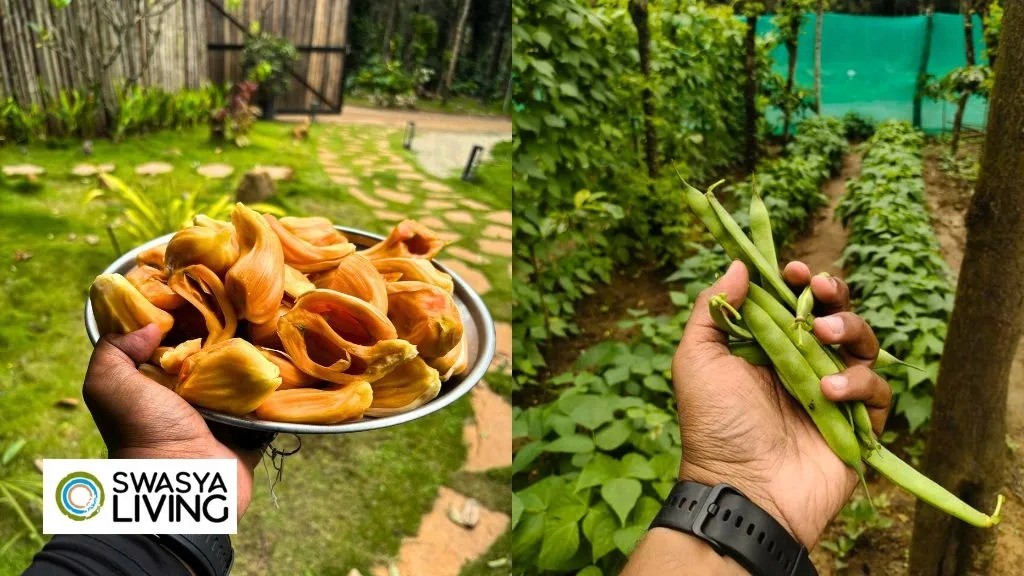
Instead of simply buying organic vegetables, imagine harvesting fresh produce grown using sustainable farming practices right within your community.
At Swasya, residents can participate in a community kitchen garden, enjoy farm-to-table living, and experience firsthand how organic farming supports healthier lifestyles and a stronger connection with nature. This transforms organic food from a product into a daily experience.
Organic Food Is More Than a Trend, It's a Way of Living
Over the years, organic food has gone from being a niche choice to becoming a part of everyday conversations. And honestly, that's a good thing.
The importance of organic food isn't just about avoiding chemicals or following the latest health trend. It's about making choices that are better for our bodies, kinder to nature, and more sustainable for future generations.
Whether it's choosing fresh seasonal vegetables, supporting local farmers, or simply understanding where your food comes from, every small step counts.
At Swasya, we believe healthy living starts long before food reaches your plate. It begins with healthy soil, responsible organic farming, and a deeper connection with nature. That's the kind of lifestyle we encourage, one where people don't just eat better, but live better too.
After all, good health doesn't come from one meal. It comes from the choices we make every single day.
FAQs
1. What are the 10 benefits of organic food?
Some of the biggest organic food benefits include lower exposure to synthetic pesticides, healthier soil, cleaner water, support for biodiversity, sustainable farming, better animal welfare, and a healthier environment.
2. Is organic food really healthier?
Organic food isn't a miracle food, but it can help reduce exposure to synthetic chemicals. Combined with a balanced diet and healthy lifestyle, it can be a good choice for many families.
3. Why is organic food more expensive?
Organic farming often requires more manual labour, natural farming practices, and certification processes. These factors can increase production costs, which is reflected in the final price.
4. Does organic food contain pesticides?
Yes, but not the synthetic pesticides commonly used in conventional farming. Organic farmers may use approved natural pesticides when necessary.
5. What is the importance of organic food?
The importance of organic food goes beyond personal health. It also supports healthier soil, cleaner water, biodiversity, and more sustainable farming practices.
6. What are the health benefits of organic farming?
The health benefits of organic farming include reduced exposure to synthetic chemicals for farmers, healthier soil, cleaner ecosystems, and safer food production methods.
Why Are More People Choosing Organic Food?
Have you noticed how almost every supermarket has a separate section for organic food these days? Organic fruits, vegetables, grains...even milk and spices. And honestly, one question pops into almost everyone's mind.
Or maybe you've wondered why one tomato costs ₹30 while the one next to it, with an organic label, costs almost double. Fair question, right?
The truth is, organic food isn't some magical food that can instantly make you healthier. That's not how it works. But the way it's grown does make a difference. It affects the food on your plate, the soil it grows in, the water around it, and even the people who grow it.
That's exactly why more families today are paying attention to organic food and health benefits instead of just looking at the price tag.
In this guide, we'll answer one of the most searched questions, what are 10 benefits of organic food? We'll also look at the importance of organic food, the health benefits of organic farming, and how organic farming supports not just our health but also the environment and future generations.
What Is Organic Food and How Is It Produced?
Before we talk about the organic food benefits, let's quickly understand what organic food actually means.
Organic food comes from farms that follow natural farming methods. Instead of relying on synthetic pesticides, chemical fertilizers, or genetically modified (GMO) seeds, organic farming focuses on working with nature. Farmers use natural compost, crop rotation, bio-fertilizers, and other eco-friendly practices to keep the soil healthy and crops growing.
And no...organic doesn't mean pesticide-free. That's a common myth. Organic farming can use certain natural pesticides when needed, but it avoids most synthetic chemicals that are commonly used in conventional farming.
Why Is Organic Food Becoming More Popular? Here are the Reasons:
A few years ago, organic food was something you'd mostly find in speciality stores. Today, it's everywhere. And there's a reason for that.
People are becoming more conscious about what they're eating. Parents want cleaner food for their children. Young professionals are trying to eat healthier. Even people with kitchen gardens are moving towards natural farming methods.
At the same time, awareness about the importance of organic food has grown. It's no longer just about personal health. People also care about the soil, water, biodiversity, and the long-term impact of farming on our planet.
Of course, organic food can cost a little more. But for many people, knowing that their food is grown using sustainable practices makes that extra cost feel worthwhile.
Before we dive deeper, here's a quick overview of the biggest organic food and health benefits.
10 Benefits of Organic Food | Why It Matters |
Lower exposure to synthetic pesticides | Helps reduce contact with harmful chemicals |
Supports healthier soil | Healthy soil produces healthier crops |
May contain more antioxidants | Some studies suggest higher antioxidant levels in certain organic produce |
Better for pollinators | Protects bees, butterflies, and other beneficial insects |
Keeps water sources cleaner | Reduces chemical runoff into rivers and groundwater |
Supports biodiversity | Encourages a healthier natural ecosystem |
Promotes better animal welfare | Organic livestock are raised under stricter welfare standards |
Safer for farmers | Reduces exposure to synthetic chemicals during farming |
Encourages sustainable farming | Helps preserve land for future generations |
Supports a healthier environment | Reduces pollution and improves ecological balance |
What Are the 10 Health Benefits of Organic Food?
If you're wondering, "What are 10 benefits of organic food?", you're not alone. While no single food can guarantee perfect health, choosing organic food can have several long-term benefits for both you and the environment.
1. Lower Exposure to Synthetic Pesticides
One of the biggest organic food benefits is that it's grown without the routine use of synthetic pesticides. Instead, organic farmers rely on natural methods to protect crops.
Does that mean organic food is completely pesticide-free? Not really. Certain natural pesticides are allowed. But overall, it helps reduce your exposure to many synthetic chemicals that are commonly used in conventional farming.
2. Supports Better Soil Health
Healthy food starts with healthy soil. It's really that simple.
Organic farming focuses on improving soil naturally through compost, crop rotation, and natural fertilizers instead of depending heavily on chemicals. Healthy soil is full of beneficial microorganisms that help plants absorb nutrients better.
And healthier soil today means healthier farms tomorrow too.
3. May Contain More Antioxidants
Some studies suggest that certain organic fruits and vegetables may contain higher levels of antioxidants compared to conventionally grown produce.
Now, this doesn't mean every organic apple is automatically more nutritious. But when combined with a balanced diet, fresh organic produce can be a good addition to your meals.
4. Better for Farmers' Health
We often talk about the people eating the food. But what about the people growing it?
One of the lesser-known benefits of organic farming on human health is that farmers are exposed to fewer synthetic chemicals while working in the fields. That creates a safer and healthier working environment over time.
5. Protects Water and the Environment
When chemical fertilizers and pesticides are used in large quantities, rainwater can carry them into nearby rivers, lakes, and groundwater.
Organic farming reduces this risk by using more natural farming methods. Cleaner farming practices help keep our water sources healthier, which benefits everyone, not just farmers.
6. Encourages Biodiversity
Take a walk through a healthy organic farm and you'll often notice something beautiful... butterflies, bees, birds, earthworms, and lots of tiny insects doing their job.
These creatures play an important role in pollination and maintaining a healthy ecosystem. One of the biggest health benefits of organic agriculture is that it supports biodiversity instead of disturbing it.
7. Supports Better Animal Welfare
Organic farming isn't only about fruits and vegetables. It also includes livestock.
Animals on organic farms are generally raised with better living conditions, access to open spaces, and natural feed. Healthier animals often lead to healthier dairy and meat products while promoting more ethical farming practices.
8. Promotes Sustainable Farming
One of the biggest reasons people support organic farming is because it's designed for the long run.
Instead of focusing only on higher yields today, organic farming aims to protect soil fertility, conserve water, and reduce environmental damage. That's what makes it a more sustainable way of growing food for future generations.
9. Helps Build a Healthier Food System
Every time you choose organic food, you're supporting farming practices that care about the environment, local communities, and responsible food production.
It may seem like a small choice, but when more people choose sustainable food, it creates a positive impact across the entire farming ecosystem.
10. Gives You Greater Peace of Mind
This is probably one of the biggest reasons many people buy organic food.
Knowing that your fruits, vegetables, grains, or spices are grown using natural farming practices simply feels reassuring. While organic food isn't a shortcut to perfect health, many families feel more confident about the food they bring home.
Organic Food vs. Conventional Food: Key Differences Explained
People often think organic food and conventional food are completely different. In reality, both can be nutritious. The biggest difference lies in how they're grown, not necessarily how they look.
Here's a simple comparison.
Organic Food | Conventional Food |
Grown using natural farming methods | Often relies on synthetic fertilizers and pesticides |
Uses compost and natural fertilizers | Uses chemical fertilizers for faster crop growth |
Supports healthier soil and biodiversity | Focuses more on maximizing crop yield |
Limited use of natural pesticides | Synthetic pesticides are commonly used |
Promotes sustainable farming | Can have a higher environmental impact |
Is Organic Food Healthier Than Conventional Food?
Well, yes and no.
Organic food isn't a magic solution that can prevent diseases or instantly improve your health. If someone eats organic chips every day, they're still eating chips.
But if your daily diet includes plenty of fresh fruits, vegetables, whole grains, and other minimally processed foods, choosing organic whenever possible can help reduce your exposure to synthetic chemicals while supporting more sustainable farming practices.
That's why many people don't just look at the organic food and health benefits anymore. They also think about the health benefits of organic farming, because healthier soil, cleaner water, and responsible farming eventually benefit all of us.
How to Add More Organic Food to Your Daily Diet?
You don't have to replace everything in your kitchen overnight. Honestly, that's not practical for most families.
Instead, start small.
Buy seasonal organic fruits and vegetables whenever possible.
Purchase from trusted local farmers or certified organic stores.
Wash fresh produce well before eating, whether it's organic or not.
If your budget is limited, begin with the foods your family eats most often.
Experience the Benefits of Organic Living at Swasya
Instead of simply buying organic vegetables, imagine harvesting fresh produce grown using sustainable farming practices right within your community.
At Swasya, residents can participate in a community kitchen garden, enjoy farm-to-table living, and experience firsthand how organic farming supports healthier lifestyles and a stronger connection with nature. This transforms organic food from a product into a daily experience.
Organic Food Is More Than a Trend, It's a Way of Living
Over the years, organic food has gone from being a niche choice to becoming a part of everyday conversations. And honestly, that's a good thing.
The importance of organic food isn't just about avoiding chemicals or following the latest health trend. It's about making choices that are better for our bodies, kinder to nature, and more sustainable for future generations.
Whether it's choosing fresh seasonal vegetables, supporting local farmers, or simply understanding where your food comes from, every small step counts.
At Swasya, we believe healthy living starts long before food reaches your plate. It begins with healthy soil, responsible organic farming, and a deeper connection with nature. That's the kind of lifestyle we encourage, one where people don't just eat better, but live better too.
After all, good health doesn't come from one meal. It comes from the choices we make every single day.
FAQs
1. What are the 10 benefits of organic food?
Some of the biggest organic food benefits include lower exposure to synthetic pesticides, healthier soil, cleaner water, support for biodiversity, sustainable farming, better animal welfare, and a healthier environment.
2. Is organic food really healthier?
Organic food isn't a miracle food, but it can help reduce exposure to synthetic chemicals. Combined with a balanced diet and healthy lifestyle, it can be a good choice for many families.
3. Why is organic food more expensive?
Organic farming often requires more manual labour, natural farming practices, and certification processes. These factors can increase production costs, which is reflected in the final price.
4. Does organic food contain pesticides?
Yes, but not the synthetic pesticides commonly used in conventional farming. Organic farmers may use approved natural pesticides when necessary.
5. What is the importance of organic food?
The importance of organic food goes beyond personal health. It also supports healthier soil, cleaner water, biodiversity, and more sustainable farming practices.
6. What are the health benefits of organic farming?
The health benefits of organic farming include reduced exposure to synthetic chemicals for farmers, healthier soil, cleaner ecosystems, and safer food production methods.
Akshata
You Might Also Like



Subscribe to the Swasya
newsletter
Discover insights about sustainable farming, investment opportunities, and the future of agriculture.
By subscribing, you agree to the Privacy Policy
Subscribe to the Swasya
newsletter
Discover insights about sustainable farming, investment opportunities, and the future of agriculture.
By subscribing, you agree to the Privacy Policy