Farming
AI in Agriculture: Benefits, Applications and Future Trends in Farming
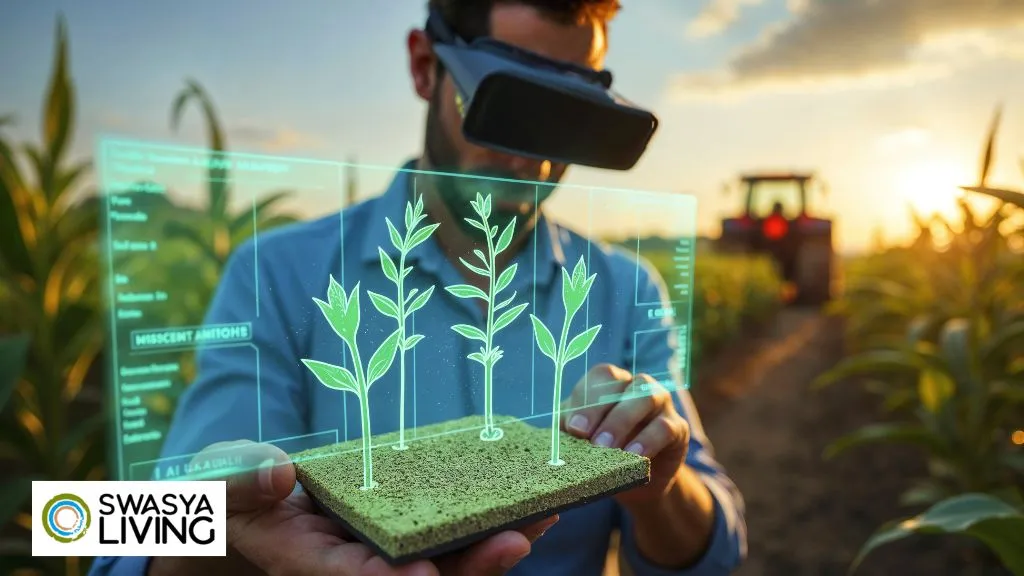
Whenever we think of "farming," we usually picture someone in a straw hat, maybe a tractor from the 80s, and a lot of manual digging under the hot sun. But if you walk into a managed farmland today, you’re more likely to see a drone buzzing overhead or a sensor tucked into the soil that’s talking to a cloud server.
Honestly, it's wild how fast things are changing. I remember my grandfather talking about "reading the wind" to predict rain. Now, we have artificial intelligence in agriculture that analyzes decades of climate data to tell us the best planting window with 95% accuracy. sorry Grandpa, but the algorithm wins this one!
If you’re a professional looking at managed farmland investment, you need to understand that you aren't just buying dirt, you’re buying a tech-enabled ecosystem. Let's look at how ai in agriculture applications are making the "green dream" more efficient than ever.
Traditional Farming vs AI-Powered Agriculture: Key Differences
Feature | Traditional Farming | AI-Powered Farming |
Pest Control | Spray the whole field (just in case). | Targeted spray only on infected plants. |
Watering | Timed or manual. | Soil moisture sensors + weather API. |
Harvesting | Manual labor (hard to find!). | Robotic harvesters & smart sorting. |
Prediction | "Gut feeling" and luck. | Machine learning & predictive analytics. |
How AI Is Transforming Modern Agriculture?
I get this question a lot during our farm tours. How does ai help agriculture? It’s not about replacing the farmer; it’s about giving them "superpowers."
Precision Farming: Using application of ai in agriculture, we can map out every square inch of the land. Instead of dumping fertilizer everywhere, we only put it where the soil is actually deficient. This saves money and keeps the ground healthy.
Early Warning Systems: AI-equipped drones take high-res images of the crop canopy. They can spot "stress" in a plant days before it starts turning yellow.
Smart Irrigation: The use smart systems that check the weather forecast. If it’s going to rain in 4 hours, the AI won't turn on the sprinklers. It’s that simple (and that brilliant).
Physical AI in Agriculture: How AI-Powered Machines Are Transforming Farming?
This is the part that feels like a sci-fi movie. Physical ai in agriculture refers to the robots and machinery that actually do the heavy lifting.
Robotic Weeders: These little guys crawl through the rows and "zap" weeds without using a single drop of chemical pesticide.
Automated Tractors: They follow GPS paths with millimeter precision, making sure every seed is placed at the perfect depth.
Drone Spraying: Drones can cover an acre in minutes, reaching spots that a tractor never could, and they do it with targeted precision.
For someone looking at a farm stay near Bangalore, seeing these robots in action is often the highlight of the trip. It’s the perfect blend of nature and the future.
The Pros and Cons: Benefits and Challenges of AI in Agriculture
When deciding which one is the best option, traditional methods or AI, it’s important to weigh the advantages of ai in agriculture against the "growing pains."
The Major Advantages:
Efficiency: You get more "output" for less "input."
Sustainability: Less water, fewer chemicals, and better soil health.
Higher ROI: For a managed farm land, better yields mean better returns on your investment.
The Challenges:
Initial Cost: The tech isn't cheap. Sensors and drones are a big upfront investment.
Technical Knowledge: You need a team that knows how to code as well as they know how to plant.
This is exactly why managed farmland is so popular right now. The management company handles the high cost and the technical expertise, while you just reap the benefits of a high-tech, eco-friendly farmland living experience.
How Technology-Driven Farmland Management Improves Agricultural Productivity?
At Swasya Living, we believe that artificial intelligence in agriculture is the key to balancing our modern lifestyles with the health of the planet.
By using smart irrigation and precision monitoring, we ensure that every managed farm land under our care is as productive as possible. You get the peace and quiet of a traditional farm, but with the high-tech backbone that ensures your investment is safe.
Future of AI and Robotics in Agriculture
Farming has come a long way from the hand-plow. Today, ai in agriculture applications are solving the biggest problems in food security and sustainability.
Whether you're an investor looking for a high-tech asset or just someone who wants to know their weekend retreat is using the latest tech to save water, AI is your best friend on the farm. The future of the earth isn't just in the soil, it's in the code, too.
FAQs
1: Will AI make farming more expensive for the consumer?
In the long run, no! By reducing waste and improving yields, artificial intelligence in agriculture actually helps keep food prices stable even as the population grows.
2: Is it still "organic" if a robot is doing the work?
Absolutely. In fact, AI makes organic farming easier because it can handle weed and pest control without the need for synthetic chemicals.
3: Which one is the best option for a small-scale plot?
A managed farmland setup is the best. Trying to buy your own drones and AI software for a small plot is too expensive, but when shared across a managed community, it becomes very affordable.
4: How does ai help agriculture with climate change?
It helps us adapt! AI can predict droughts or floods sooner, allowing farmers to change their irrigation patterns or harvest early to save the crop.
5: Can I see this tech on Swasya's farms?
Yes! We’re constantly integrating new ai in agriculture applications to ensure our farmlands are the most efficient and sustainable in the region.
Whenever we think of "farming," we usually picture someone in a straw hat, maybe a tractor from the 80s, and a lot of manual digging under the hot sun. But if you walk into a managed farmland today, you’re more likely to see a drone buzzing overhead or a sensor tucked into the soil that’s talking to a cloud server.
Honestly, it's wild how fast things are changing. I remember my grandfather talking about "reading the wind" to predict rain. Now, we have artificial intelligence in agriculture that analyzes decades of climate data to tell us the best planting window with 95% accuracy. sorry Grandpa, but the algorithm wins this one!
If you’re a professional looking at managed farmland investment, you need to understand that you aren't just buying dirt, you’re buying a tech-enabled ecosystem. Let's look at how ai in agriculture applications are making the "green dream" more efficient than ever.
Traditional Farming vs AI-Powered Agriculture: Key Differences
Feature | Traditional Farming | AI-Powered Farming |
Pest Control | Spray the whole field (just in case). | Targeted spray only on infected plants. |
Watering | Timed or manual. | Soil moisture sensors + weather API. |
Harvesting | Manual labor (hard to find!). | Robotic harvesters & smart sorting. |
Prediction | "Gut feeling" and luck. | Machine learning & predictive analytics. |
How AI Is Transforming Modern Agriculture?
I get this question a lot during our farm tours. How does ai help agriculture? It’s not about replacing the farmer; it’s about giving them "superpowers."
Precision Farming: Using application of ai in agriculture, we can map out every square inch of the land. Instead of dumping fertilizer everywhere, we only put it where the soil is actually deficient. This saves money and keeps the ground healthy.
Early Warning Systems: AI-equipped drones take high-res images of the crop canopy. They can spot "stress" in a plant days before it starts turning yellow.
Smart Irrigation: The use smart systems that check the weather forecast. If it’s going to rain in 4 hours, the AI won't turn on the sprinklers. It’s that simple (and that brilliant).
Physical AI in Agriculture: How AI-Powered Machines Are Transforming Farming?
This is the part that feels like a sci-fi movie. Physical ai in agriculture refers to the robots and machinery that actually do the heavy lifting.
Robotic Weeders: These little guys crawl through the rows and "zap" weeds without using a single drop of chemical pesticide.
Automated Tractors: They follow GPS paths with millimeter precision, making sure every seed is placed at the perfect depth.
Drone Spraying: Drones can cover an acre in minutes, reaching spots that a tractor never could, and they do it with targeted precision.
For someone looking at a farm stay near Bangalore, seeing these robots in action is often the highlight of the trip. It’s the perfect blend of nature and the future.
The Pros and Cons: Benefits and Challenges of AI in Agriculture
When deciding which one is the best option, traditional methods or AI, it’s important to weigh the advantages of ai in agriculture against the "growing pains."
The Major Advantages:
Efficiency: You get more "output" for less "input."
Sustainability: Less water, fewer chemicals, and better soil health.
Higher ROI: For a managed farm land, better yields mean better returns on your investment.
The Challenges:
Initial Cost: The tech isn't cheap. Sensors and drones are a big upfront investment.
Technical Knowledge: You need a team that knows how to code as well as they know how to plant.
This is exactly why managed farmland is so popular right now. The management company handles the high cost and the technical expertise, while you just reap the benefits of a high-tech, eco-friendly farmland living experience.
How Technology-Driven Farmland Management Improves Agricultural Productivity?
At Swasya Living, we believe that artificial intelligence in agriculture is the key to balancing our modern lifestyles with the health of the planet.
By using smart irrigation and precision monitoring, we ensure that every managed farm land under our care is as productive as possible. You get the peace and quiet of a traditional farm, but with the high-tech backbone that ensures your investment is safe.
Future of AI and Robotics in Agriculture
Farming has come a long way from the hand-plow. Today, ai in agriculture applications are solving the biggest problems in food security and sustainability.
Whether you're an investor looking for a high-tech asset or just someone who wants to know their weekend retreat is using the latest tech to save water, AI is your best friend on the farm. The future of the earth isn't just in the soil, it's in the code, too.
FAQs
1: Will AI make farming more expensive for the consumer?
In the long run, no! By reducing waste and improving yields, artificial intelligence in agriculture actually helps keep food prices stable even as the population grows.
2: Is it still "organic" if a robot is doing the work?
Absolutely. In fact, AI makes organic farming easier because it can handle weed and pest control without the need for synthetic chemicals.
3: Which one is the best option for a small-scale plot?
A managed farmland setup is the best. Trying to buy your own drones and AI software for a small plot is too expensive, but when shared across a managed community, it becomes very affordable.
4: How does ai help agriculture with climate change?
It helps us adapt! AI can predict droughts or floods sooner, allowing farmers to change their irrigation patterns or harvest early to save the crop.
5: Can I see this tech on Swasya's farms?
Yes! We’re constantly integrating new ai in agriculture applications to ensure our farmlands are the most efficient and sustainable in the region.
Akshata
You Might Also Like


Subscribe to the Swasya
newsletter
Discover insights about sustainable farming, investment opportunities, and the future of agriculture.
By subscribing, you agree to the Privacy Policy
Subscribe to the Swasya
newsletter
Discover insights about sustainable farming, investment opportunities, and the future of agriculture.
By subscribing, you agree to the Privacy Policy